-

How much is chili pepper per jin? 2020 prices and fertilisation tips
There are many varieties of chili pepper, some with high pungency and some with low pungency. It is a nutritious green vegetable and is grown in every part of our country. Whether stir-fried plain or used as a seasoning, chili pepper tastes very good, and it can also cut through greasiness and enrich everyone's taste buds. So how much was chili pepper
-
How much is water chestnut per jin in 2019? With a detailed explanation of fertilisation techniques
Water chestnut is also called horseshoe; its shape closely resembles the chestnuts that grow on trees, and in some places it is also called "ground chestnut", meaning a chestnut buried underground. Water chestnut is both a fruit and a vegetable, a seasonal food loved by the public, and traditional Chinese medicine also uses water chestnut as a medicinal herb.
-
How to grow fennel in spring and autumn? Planting time, seed treatment and fertilisation methods
Summary The best time to plant fennel is March-April in spring and August-September in autumn; if planting in winter, greenhouse technology is required. Planting method: first select plump and intact seeds, soak them in warm water for about 12 hours before planting, the soil needs sufficient base fertiliser, after sowing in autumn cover with plastic film, when true leaves appear thin and fill in the seedlings, fertilise during the growing process, and when the fennel plants grow to about 30cm they can be harvested.
-
What are the key points of fertilisation techniques for growing bottle gourd?
The hu gourd, also known as huzi, flat gourd, calabash, night-blooming flower, black gourd and so on, is a fairly common vegetable in the south, but it is also cultivated in the northern regions of our country, and is a variant plant of the Cucurbitaceae family. Bottle gourd has relatively strict requirements for light conditions, because only
-
Complete Guide to Key Techniques for Growing Peppers in a Greenhouse
Land preparation and fertilisation: Apply base fertiliser mainly consisting of organic fertiliser on the seedling bed, and at the same time dig furrows and make beds.||Raising seedlings and transplanting: After sprouting the pepper seeds, sow them in the seedling bed, and once they grow to about 10 cm they can be transplanted.||Field management: For transplanted peppers, do a good job of managing temperature, water and fertiliser, and disease
-
When is the best time to sow loofah? Plus high-yield fertilisation methods
Loofah grows fast, bears many fruits, and likes fertiliser, but its root system is shallow, and its ability to absorb and tolerate fertiliser is weak, so it requires loose, fertile soil rich in organic matter. So when is the best time to sow loofah? What fertiliser should be applied to achieve high yields? Here is a summary of the fertilisation methods as follows: Loofah
-
Fertilisation Techniques and Timing for Persimmon Trees: Master the Nutrient Requirements for High Yields
The persimmon tree originated in the Yangtze River basin of China, extending east to Taiwan Province, and is widely cultivated in many provinces and regions. The fruit is often de-astringed before being eaten as a fruit; after proper treatment it can be stored for several months and can be eaten at any time of the year. Persimmons can also be processed into dried persimmons. So what are the nutrient requirements of
-
Yellowing orchid leaves are related to fertilisation methods
Fertiliser yellow: when too much fertiliser is applied, especially too much nitrogen fertiliser combined with a lack of phosphorus and potassium fertiliser, it easily causes the leaves to turn yellow, showing as new leaves that are thick and fleshy with mostly uneven surfaces, while old leaves gradually turn yellow and drop off; in severe cases the leaf tips dry out and even the entire leaf becomes scorched yellow. When this happens, fertiliser should be applied immediately, the amount of watering increased, and the fertiliser...
-
What are the common mistakes in grape fertilisation? Growers should be careful to avoid them
Fertilisation mistakes in grape growing
-
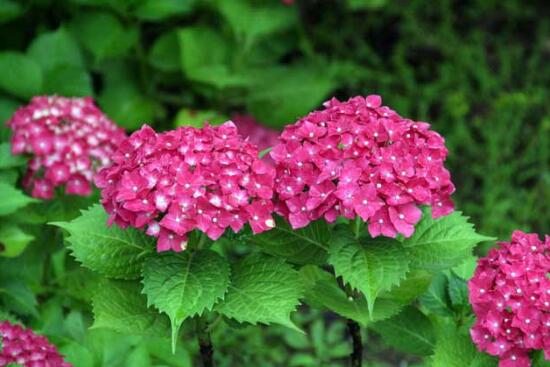
The reasons hydrangeas fail to bloom are improper lighting and excessive fertilisation
Hydrangeas have a long blooming period and large, brightly coloured flowers, making them a favourite among many flower lovers. In daily life, many people grow hydrangeas and look forward to them blooming. But by June, many growers' hydrangeas still show no signs of activity, so why won't hydrangeas bloom? On this, the editor has summarised 5 reasons why hydrangeas fail to bloom
条件筛选