-

Horse Chestnut Planting Methods and Cultivation Techniques Explained in Detail (with pictures)
The horse chestnut is also known as the buckeye tree, buckeye nut, Tianshi chestnut, pistachio, monkey chestnut, etc. It is a deciduous tree of the genus Aesculus in the family Sapindaceae. Its seeds are edible, but eating them directly tastes bitter and astringent; they must be boiled in alkaline water before eating, after which they taste like chestnuts. Starch can also be extracted from them, the fine, dense wood can be used to make various utensils, and the seeds can be used medicinally.
-

-
Dahlia Planting Methods and Cultivation Management Techniques Explained
The dahlia is known as one of the world's famous flowers mainly because of its long blooming period, large flower diameter, and abundant blooms. In northern regions, the blooming period runs from May to mid-November, and under suitable temperature conditions it can bloom continuously year-round, with the most abundant blooming after autumn. It is very suitable for flower beds, flower borders, or clump planting in front of courtyards, and dwarf varieties can be grown as potted plants.
-
Thrips Damage Symptoms and Control Methods Explained in Detail
Thrips adults and nymphs rasp and suck the sap of young, tender plant tissues (shoot tips, leaves, flowers, fruits, etc.). The damaged young leaves and shoot tips become hard, curled and withered, plant growth slows, and internodes shorten. Young fruits (such as eggplant, cucumber, watermelon, etc.) become hardened after damage, and in severe cases fruit drop occurs, seriously affecting yield and quality.
-

What are the key points for managing walnut trees? Explained clearly in one article
Key points for managing walnut trees
-
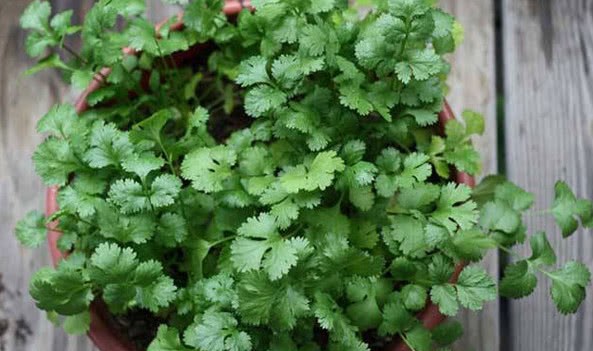
Cilantro Planting Time and Cultivation Methods Explained
Recently, due to the flooding disaster in Shouguang, Shandong, vegetable prices have started to rise in many areas. I do not know if it is the same where you are, but here in my hometown, cilantro is twenty-five yuan per jin, and that is just the price at street vendors, not even in supermarkets. And...
-
Peanut Stem Rot: Damage Symptoms and Control Methods Explained
Peanut stem rot, commonly known as "rotten neck disease," is distributed in all peanut-growing regions across the country. It generally occurs in the middle and late stages. After infection, plants quickly wither and die, and the pods often rot or the kernels fail to fill out, causing serious losses. The disease incidence rate in ordinary fields is 20-30%, and in severe cases reaches 60-70%.
-
Borage Cultivation Techniques and Growth Habits Explained in Detail
Borage, also known as starflower, is an annual herbaceous plant of the genus Borago in the family Boraginaceae. It originated along the eastern Mediterranean coast and in Asia Minor, and is now widely cultivated in Europe and North America. It can serve as a honey-source plant; the fresh leaves are used as a vegetable in Europe, and both fresh and dried leaves can be used to flavor stews, soups and beverages.
-

Key Points and Operation Methods of Fermentation Bed Pig Farming Explained
Fermentation Bed Pig Farming Method
-

What to Do About a Falsely Dead Piglet? Causes and First Aid Methods Explained
Causes of and First Aid Methods for Falsely Dead Piglets
条件筛选