Cilantro Planting Time and Cultivation Methods Explained
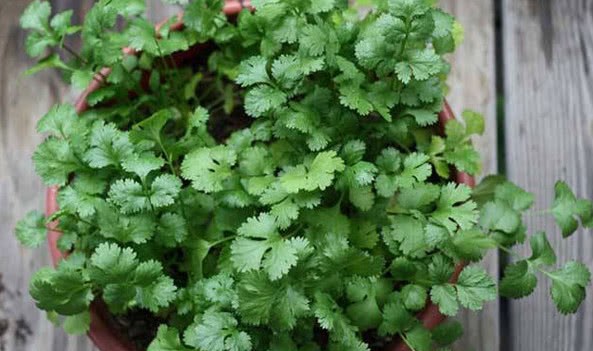
Recently, due to the flooding disaster in Shouguang, Shandong, vegetable prices have started to rise in many areas. I do not know if it is the same where you are, but here in my hometown, cilantro is twenty-five yuan per jin, and that is just the price at street vendors, not even in supermarkets. There is also not a particularly large supply of fresh vegetables, and the quality of the vegetables has dropped greatly. I hope the people of Shouguang, Shandong, can get through this difficult time soon with the help of the government.
All right, back to the main topic. Just now I mentioned the price of cilantro. That is right, today I will give you a brief introduction to cilantro cultivation methods. Farmers who are interested, come and take a look.
1. Planting time
Cilantro is generally chosen for planting in autumn, because cilantro grown this way looks good, has fewer diseases, and has better quality. The best time is September. Of course, August also works, and it can be done at the same time as planting cabbage.
2. Choose a good variety and prepare the soil
For the variety, it is best to use the small-leaf type. Although the small-leaf type has smaller leaves, it is cold-resistant, has a strong aroma, and is of excellent quality. If you are growing it for your own consumption, it is the best choice. In addition, the seeds should be fresh and plump, so the germination rate will be relatively high.
After the seeds are prepared, while there is still moisture in the soil, scatter some decomposed farmyard manure, mix in an appropriate amount of compound fertilizer, plow the soil deeply, and break it up finely, leaving no large clods of soil.
3. Broadcast sowing and good management
The seeds are generally scattered directly onto the soil, and a thin layer of soil can be spread on top. To preserve moisture, chopped straw can be spread over it. Cilantro germinates relatively slowly, usually sprouting in about a week.
After the seedlings emerge, pay attention to thinning. When planting only a small amount, do not thin too early. Let the young seedlings grow a bit larger, and the seedlings removed during thinning can be eaten directly; they are quite fresh and tasty.
After thinning, some nitrogen fertilizer can be used together with watering to promote seedling growth. Pay attention to cultivating the soil and removing weeds so as not to affect growth. The young seedlings will soon grow larger, and those who like to eat them fresh can harvest them in time.