-

How to prevent swine dysentery? Prevention and control methods every pig farmer must read
Swine dysentery is an acute infectious disease caused by Brachyspira hyodysenteriae, clinically characterized by mucohemorrhagic diarrhea of varying degrees (commonly known as "bloody dysentery"), weight loss, and catarrhal hemorrhagic and necrotic inflammation of the cecum. The disease can occur in all four seasons, and pigs of all ages can be affected, with a higher incidence at 2-3 months of age; the morbidity rate of infected piglets can reach 75%, and the mortality rate is 5%-25%. Diseased pigs and carrier pigs are the main sources of infection, and fecal contamination is the main route of transmission; the carrier rate of recovered pigs is very
-
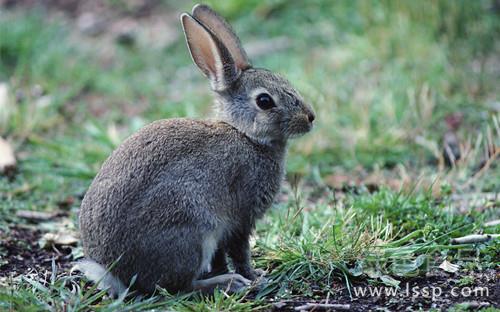
Rabbit epizootic enteritis is highly prevalent in winter; be on guard against refusal to eat, abdominal bloating, severe watery diarrhea and dehydration
Refusal to eat, abdominal bloating, severe watery diarrhea and dehydration; be on guard against rabbit epizootic enteritis in winter
-
What are the characteristics of sheep struck (enterotoxemia) and how is it prevented and treated?
Sheep struck is a toxemia caused by Clostridium welchii type C, clinically characterized by acute death, peritonitis and ulcerative enteritis. I. Pathogen Clostridium welchii, also known as "Bacillus aerogenes capsulatus," belongs taxonomically to the genus Clostridium. This bacterium is Gram-positive, can form a capsule in the animal body, and its spores are located in the center of the bacterial cell. This bacterium can produce multiple exotoxins such as alpha, beta, epsilon and iota; based on toxin-antitoxin neutralization tests, Clostridium welchii can be divided into 5 toxin types: a, b, C, D and E. Sheep
-
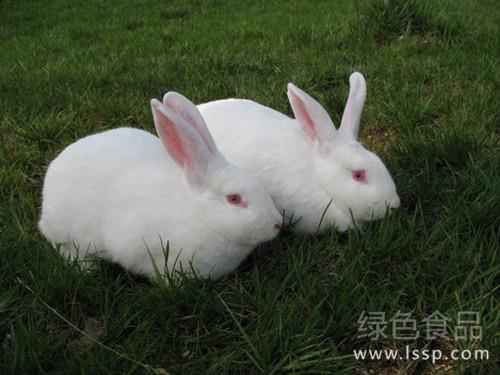
How to prevent and treat rabbit mucoid enteritis? Be on alert for abdominal distension, drooling, and mucus in the feces
Prevention and treatment methods for rabbit mucoid enteritis with abdominal distension, drooling, and mucus in the feces
-
Swine spring diarrhea is swine dysentery; early prevention and early treatment are key
Swine dysentery is an intestinal infectious disease caused by Brachyspira hyodysenteriae. It occurs mostly in growing pigs, with few cases in piglets and adult pigs. It spreads slowly, has a long epidemic period, a high incidence rate, and a low mortality rate, and can harm pig herds over the long term. Affected pigs pass feces mixed with large amounts of mucus and blood, often in a jelly-like form. Drug treatment for this disease is effective, but relapse is easy after withdrawal, making it difficult to cure completely. Drugs such as mequindox, berberine, bacitracin, olaquindox, and tetracycline can be selected for treatment. If the therapeutic effect is found to be poor, the drug should be switched as soon as possible.
-
What are the propagation methods for the yellow-flowered red-centered four-season chrysanthemum?
The yellow-flowered red-centered four-season chrysanthemum is a newly bred chrysanthemum variety with stable traits, strong resistance and good adaptability. It has short internodes, a dwarf, non-lodging habit, large flowers, a long flowering period and bright flower colors. As soon as it appeared, it won praise from industry insiders for its uniqueness and beauty. At present, this flower is in the stage of propagation expansion and can be propagated vigorously. Its propagation method is the same as that of other chrysanthemums. Simply cut it into cuttings of 2 leaves per segment, dip them in rooting hormone solution, insert them into a seedbed (sandy soil is preferable), cover with a sunshade net, spray water on the leaves twice a day, and in 10 days they will
-
How to Distinguish Swine Dysentery from Diarrhea? A Detailed Guide to Integrated Prevention and Control Methods
Dysentery and diarrhea in pigs are relatively common, especially in large-scale pig farms. On some pig farms, the harm caused by swine dysentery and diarrhea is quite serious, particularly piglet dysentery and diarrhea, which have become key factors restricting piglet survival rates. Improving the ability to clinically distinguish swine dysentery from diarrhea is of great significance for grassroots animal disease prevention and control workers and large-scale farm (household) owners to promptly adopt prevention and control measures. 1 Differences and Classification of Dysentery and Diarrhea. Dysentery and diarrhea are both clinical symptoms. What is commonly called loose stool mostly
-
Clever Treatment Methods and Key Technical Points for Winter Dysentery in Pigs
Winter dysentery in pigs is caused by a viral infection and is characterized by gray, muddy feces, vomiting and dehydration. Prevention and control measures: (1) There is currently no ideal vaccine for this disease; (2) After the disease occurs, attention should be paid to replenishing fluids; (3) Keep the pigsty dry and hygienic, remove feces promptly, and disinfect regularly.
-

Construction begins on the Hakka Village Cacao Promotion Center in Pingtung County, boosting the development of emerging Hakka industries
"Pingtung Cacao" has become an emerging agricultural brand in Taiwan, China. To accelerate the development of the Hakka village cacao industry, the Pingtung County Government has used a total of 31 million yuan in subsidies from the Hakka Affairs Council and self-raised funds to build the "Pingtung County Hakka Village Cacao Industry Cross-Domain Promotion Center," ...
-
Diagnosis and Treatment of Swine Dysentery (Part 2): Detailed Explanation of Symptom Identification and Treatment Methods
4 Laboratory Testing 4.1 Smears were made from the heart, blood, liver and spleen of dead pigs, stained with Gram stain and Rui's stain, and no bacteria were found under microscopic examination. 4.2 Mucus-containing bloody feces from acutely affected pigs were collected and mixed with an equal amount of normal saline to prepare a suspension. The suspension was examined under a dark-field microscope, and in multiple fields of view, 3-5 spirochetes with uniform morphology, pointed ends at both ends, and snake-like motility were visible. 5 Prevention and Control 5.1 For the whole herd, use mequindox (3-methyl-2-acetyl-quinoline-1,4-di
条件筛选