-

What medicine is used for rabbit bacterial dysentery? Sanhuang tablets can treat it
Sanhuang tablets are an inexpensive and commonly used Chinese patent medicine, made from three herbs: rhubarb (Rheum officinale), coptis (Coptis chinensis), and skullcap (Scutellaria baicalensis). They are used to treat acute bacterial dysentery in rabbits. Each sick rabbit is given 1 Sanhuang tablet orally per dose, and young rabbits half a tablet, taken with warm boiled water. 3 times a day, for 3 consecutive days, and the effect is remarkable. Pregnant female rabbits must not take it.
-
How to prevent and treat swine dysentery (Braxy-like dysentery)?
Swine dysentery is an acute infectious disease caused by Treponema, clinically characterized by varying degrees of mucoid hemorrhagic diarrhea. The disease can occur in all four seasons, and pigs of all ages can be affected, but the incidence is high in piglets aged 2-3 months. The most acute form of this disease can cause sudden onset and death, which is also a sign that the pig herd is about to experience an outbreak. Acute symptoms then appear. At the beginning of the disease, the pigs are slightly dull, have reduced appetite, and their feces become hard with strip-like mucus on the surface. Diarrhea then develops rapidly. The feces are yellow, soft, or watery. In severe cases, within 1-2 days the feces
-
What are the prevention and control methods for swine dysentery fever?
Swine dysentery fever, also known as swine cholera, is scientifically called "swine fever." It is a serious acute, febrile, contact infectious disease caused by the swine fever virus. It is characterized by elevated body temperature, continued fever. Eating little or no food, liking to drink water, liking to eat young tender feed; mental depression, arched back, shivering, lying down unwilling to move, crowding together or burrowing into bedding straw; feces in ball shape or diarrhea, as well as alternating constipation and diarrhea; purple spots appearing on the ears, neck, abdomen, limbs and other parts. Swine dysentery fever can occur in all four seasons, and pigs of different breeds, sexes, and ages are all susceptible
-
How to treat swine dysentery in winter? Detailed explanation of prevention and treatment methods
Winter dysentery is called porcine epidemic diarrhea in winter. The peak incidence period is from mid-December each year to mid-January of the following year; the disease onset is acute, spreads rapidly, and has a wide epidemic range; the incidence rate is high, the mortality rate is low, and it seriously affects the growth and development of pigs. The incubation period of the disease is generally 12-18 hours. After infection, adult pigs show symptoms of watery diarrhea. The feces are initially grayish-white, gradually becoming yellow-green, with an unbearable foul odor. Abdominal bloating, vomiting, body temperature initially rises to 40degC-41degC, and once the diarrhea passes, the body temperature drops. Thirst and desire to drink. Piglets within 10 days of age suddenly
-
Detailed Explanation of Clinical Diagnosis and Prevention and Treatment Methods for Swine Dysentery
Swine dysentery, also known as bloody dysentery, black dysentery, mucohemorrhagic diarrhea, etc., is an intestinal infectious disease unique to pigs caused by Brachyspira hyodysenteriae, characterized by emaciation, diarrhea, and mucous or mucohemorrhagic diarrhea in affected pigs. The pathological features are catarrhal, hemorrhagic, fibrinous or necrotizing typhlitis and colitis. Clinical key points: The occurrence of this disease has no seasonality, and pigs of all ages can be affected, but it occurs more frequently in piglets aged 2 to 3 months, with high mortality. The disease spreads slowly and lasts a long time, initially mainly in the acute form
-
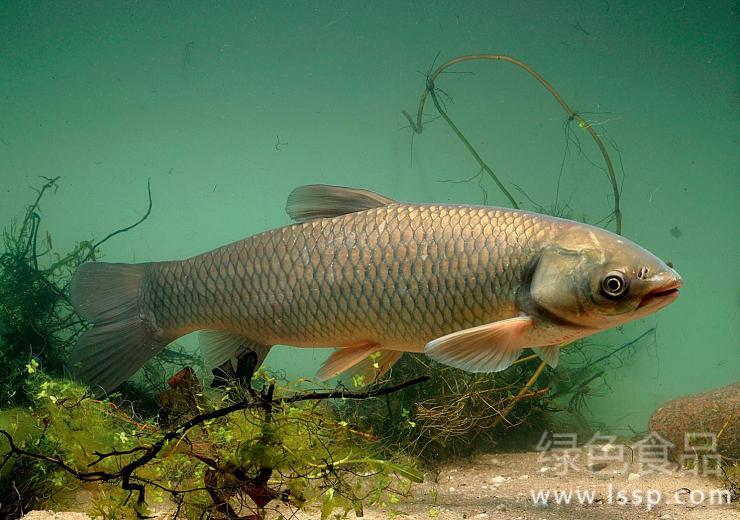
Causes of Death in Grass Carp from Enteritis and Prevention and Treatment Methods
Enteritis disease causing grass carp deaths: prevention and treatment methods for grass carp enteritis
-
Morphological Characteristics and Damage of the Jujube Carpenter Moth
The jujube leopard carpenter moth belongs to the order Lepidoptera, family Zeuzeridae. It is also called the trunk-cutting worm. The adult has a body length of 18-22 mm, a white head, a grayish-white thorax and abdomen, filiform antennae, and 6 blue spots on the back of the thorax arranged in 2 longitudinal rows. The forewings are scattered with irregular blue spots of varying sizes, while the area before the submedian fold of the hindwings is covered with narrow blackish-blue transverse bands, and the marginal spots of the wings are darker in color. The back of each abdominal segment has 3 black longitudinal spots and one round spot on each side. The eggs are spherical, pale yellow when newly laid, and densely covered with reticulate sculpturing. The larva has a body length of 30-40 mm, a yellowish-brown head, a purplish-red trunk, and a black pronotum
-
Prevention and Treatment Methods and Technical Key Points for Winter Dysentery in Cattle
1. Prevention. The transmission route of this disease is infection through the digestive tract; therefore, cattle kept indoors in winter should have improved feeding management and environmental disinfection. Sick animals should be isolated and treated promptly, and the equipment and secretions of sick animals should be thoroughly disinfected. Manure must be strictly prevented from contaminating feed and drinking water, and manure management and harmless treatment should be strengthened. 2. Treatment. This disease is mainly treated with symptomatic therapy. An equal-volume mixture of turpentine oil and creolin can be given orally, 25-50 milliliters each time, twice daily. For severely affected animals, fluid replacement should be given promptly, such as 2000-3000
-
Detailed Explanation of Diagnostic Methods and Prevention and Control Measures for Swine Dysentery
Swine dysentery, also known as bloody dysentery, is a serious intestinal infectious disease caused by Brachyspira hyodysenteriae. The main clinical symptom is severe mucohemorrhagic diarrhea; the acute form is dominated by hemorrhagic diarrhea, while the subacute and chronic forms are dominated by mucoid diarrhea. The pathological features on necropsy are catarrhal, hemorrhagic and necrotic inflammation of the large intestinal mucosa. Key points for diagnosis 1. Disease characteristics Under natural conditions, only pigs are affected; pigs of all ages and breeds can be infected, but it mainly affects piglets aged 2-3 months; the morbidity and mortality rates of piglets
-
Millet diseases have entered the critical period for control, and prevention and control measures must be taken promptly now.
Recently, many farmers have reported severe millet diseases. Through our investigation, we found that most millet fields have mixed infections of several diseases, mainly a combination of millet gray leaf spot, leaf spot and blast, and the affected area is widespread. Farmers are reminded to take timely control measures. 1. Occurrence: The severity of disease varies among different millet varieties. According to the investigation, red millet and common millet varieties are more severely affected, while Zhangzagu No. 8 is less affected. 2. Symptoms: The disease infects the middle and lower leaves of millet plants, and no lesions were found on newly emerged leaves. The middle and lower leaves are densely covered with lesions. The lesions are initially small brown spots, then become oval or spindle-shaped, with a white center and reddish-brown edges. Some lesions also have a yellow halo.
条件筛选