-

Latest Field Management Techniques for Rice During the Jointing and Panicle Elongation Stage
Rice jointing occurs over a period of time around the peak tillering stage, and rice does not stop jointing growth until after it begins heading, so this stage is called the jointing and panicle elongation stage. This stage is extremely important for rice production and is related to changes in rice yield.
-
The Latest Technical Method Tutorial for Grape Cluster Elongation
After some grapes undergo berry-setting treatment, their fruit set is relatively large, which often makes later thinning work difficult; the mutual squeezing between berries leads to cracking, rotting and other symptoms, seriously affecting quality, so cluster elongation treatment should be carried out before flowering. So how should grape cluster elongation
-
The Best Time, Key Technical Points and Functions of Grape Cluster Elongation (Berry Thinning) Explained
During grape cultivation, many growers have found that when grape clusters are too compact, it easily leads to uneven coloring, berries squeezing and deforming each other, fruit cracking and rotting, and other symptoms that affect the appearance of the grapes. Some European-American grape varieties, after fruit-setting treatments, often set a large amount of fruit
-
Field Management Techniques for Rice During the Jointing and Panicle Elongation Stage
Rice jointing begins around the peak tillering stage and internode elongation does not stop until several days after heading; in production, this period is called the jointing and panicle elongation stage. The field management goals during the jointing and panicle elongation stage are: on the basis of preserving tillers and increasing panicles, promote strong stems and large panicles, and prevent excessive vegetative growth
-
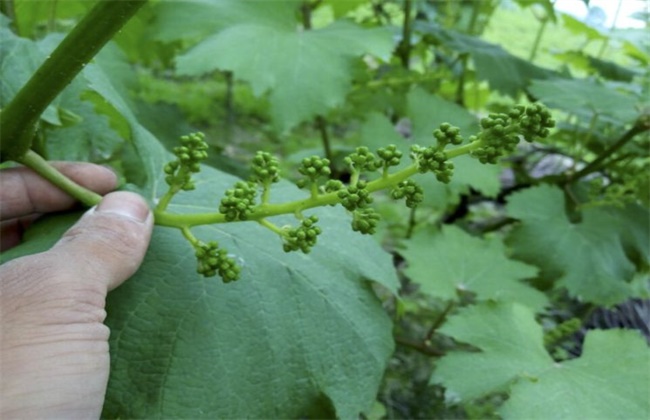
Detailed Explanation of Grape Cluster Elongation Technique: Master the Correct Elongation Method
Grape Cluster Elongation Technique
-
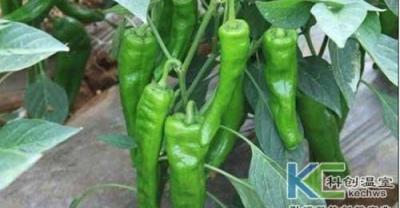
Key Technical Points for Cluster Elongation in Grape Growing
For some grape varieties, in order to give the clusters higher commercial value, gibberellin is used during the cluster separation stage to elongate the cluster, achieving the goal of reducing berry thinning and increasing cluster weight. This...
-
What are the management measures for rice during the jointing and panicle elongation stage?
Currently, rice growth across the city has successively entered the jointing and panicle elongation stage, an important period of transition from vegetative growth to reproductive growth and a critical period that determines yield. Doing a good job of field management in the middle and late stages of rice is crucial for ensuring sufficient panicles, striving for large panicles, shaping a high-yield plant type, and building a good foundation for high yield. I. Seedling growth characteristics According to a survey on July 21, the average leaf age of machine-transplanted rice was 12.31 leaves, 0.49 leaves more than the same period last year; the average leaf age of direct-seeded rice was 10.31 leaves, 0.56 leaves more than the same period last year; the total number of stems and tillers was 38.63 for machine-transplanted rice
-
Management Measures and Technical Points for Rice during the Jointing and Panicle Elongation Stage
The jointing and panicle elongation stage refers to the period from jointing and the beginning of young panicle differentiation to just before heading, generally 25-36 days for middle-season rice. 1. Growth and development characteristics and growth appearance during the jointing and panicle elongation stage (1) Growth and development characteristics During this period, on the one hand, stem elongation is the center, completing the growth of the last few leaves and root system and other vegetative organs; on the other hand, reproductive growth centered on young panicle differentiation takes place. During this period some tillers gradually die, and the total number of stems and tillers declines compared with the earlier stage, so it is an important period for preserving tillers and increasing panicles. From
-
The correct method for broadcasting compound fertilizer during the rice stem elongation stage
During the rice stem elongation stage, topdressing is generally carried out 1 to 2 times. In previous years we used urea, but this year we switched to a high-tower granulated fertilizer. This is a compound fertilizer with high nitrogen and low phosphorus and potassium. The fertilizer granules are round and smooth on the outside, with holes inside, and have a relatively low specific gravity. Before fertilizing, we first drained the flooded water, then broadcast the compound fertilizer granules on the soil surface, and immediately let water back into the field. After the water layer was full, we found that some fertilizer granules appeared on the water surface. These floating granules were blown to one side by the wind, and some stayed in the sheltered corners.
-
Cold damage prevention and control methods and key technical points for rice at the panicle elongation stage
Rice pollination at the panicle elongation stage greatly needs temperature and oxygen. During this period, cold winds blowing from the northeast are very likely to occur, causing poor pollination, empty and shriveled grains, and reduced yield. Prevention and control techniques for cold damage. First, accelerate rice pollination. From late July to early and mid-August, due to meteorological causes of atmospheric circulation, the temperature generally drops to around 17, causing rice flowers to remain closed and not open, affecting rice pollination and producing empty and shriveled grains. For this kind of obstructive cold damage, scientific management of the paddy field should be strengthened so that rice accelerates through the pollination period and avoids
条件筛选