-

How to Grow Oilseed Peony? A Detailed Guide to High-Efficiency Cultivation Techniques
Although the oilseed peony also belongs to the Paeoniaceae family, it does not look as beautiful as the ornamental peony flower, because as an ornamental plant the oilseed peony is valued more for its practical use
-
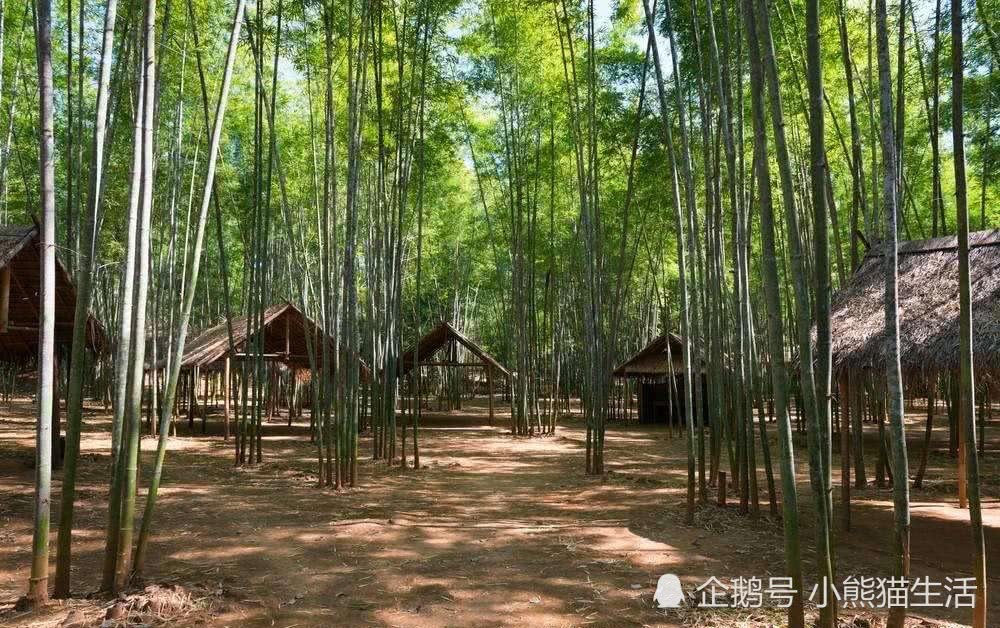
Fengwei bamboo (Bambusa multiplex) brings tranquility; keeping a pot on your desk can even boost work efficiency
The ancients said: better to eat without meat than to live without bamboo. Nowadays many discerning people like to grow a clump of bamboo at home, giving a sense of leisure amid the bustling city. If you see one you really like but unfortunately do not have a big garden at home, also...
-
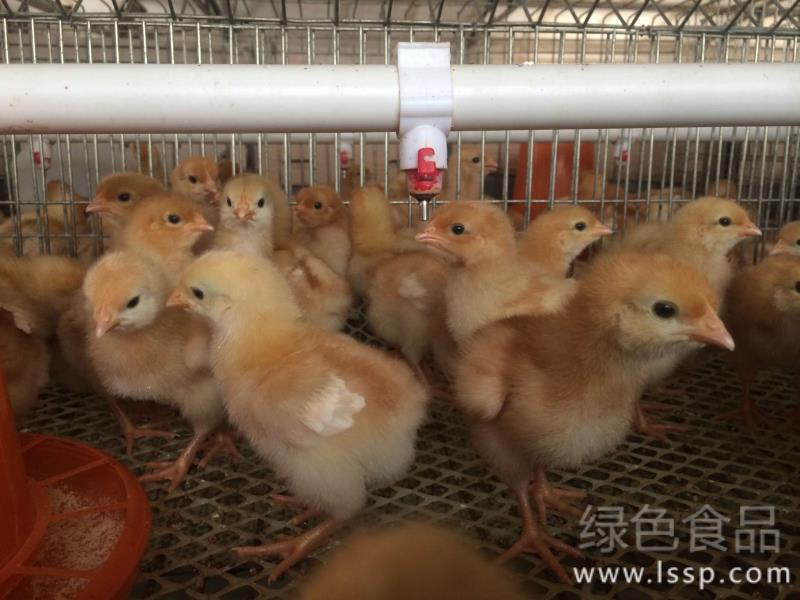
The quality of brooding affects production efficiency; how to reduce chick mortality
The quality of brooding affects production efficiency; how to reduce chick mortality
-
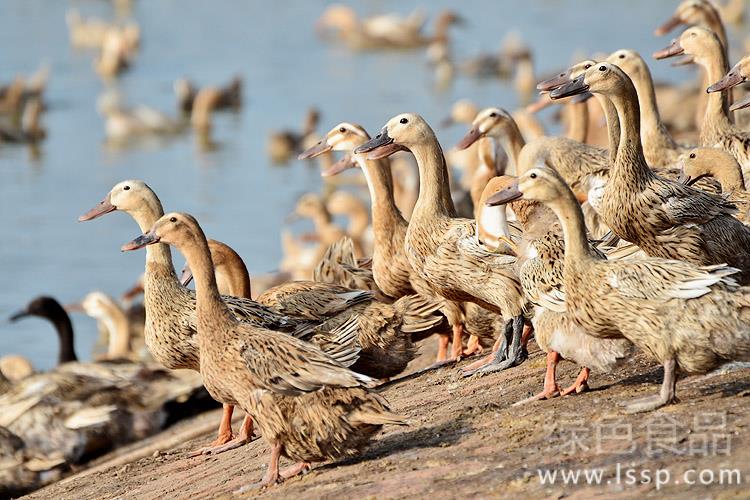
Autumn ducks can also achieve high-efficiency results: points to note when raising autumn ducks
Autumn ducks can also achieve high-efficiency results: points to note when raising autumn ducks
-
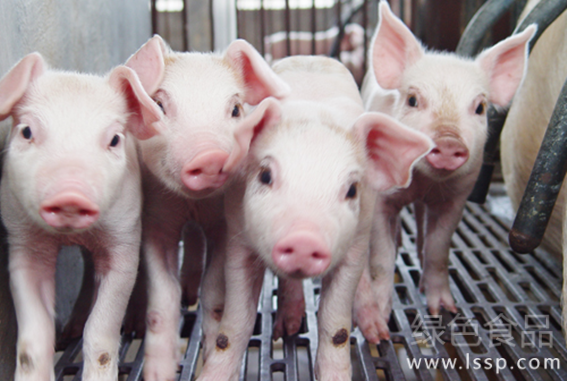
How to raise nursery pigs? Scientific feeding and management help you improve breeding efficiency
Nursery pigs bring good returns when managed properly. How to feed and manage nursery pigs
-

How to Grow Pinellia ternata? Detailed Key Points of High-Yield and High-Efficiency Cultivation Techniques
Pinellia ternata is a perennial herbaceous plant, and its tubers are used as medicine. Based on many years of planting in our area, the general benefit per mu is around 10,000 yuan. The key points of its high-yield and high-efficiency cultivation techniques are introduced as follows: 1. Land selection and preparation. In view of the growth habits of Pinellia ternata, which likes warmth, fertilizer, and moisture and fears drought, waterlogging, and high humidity, fertile sandy loam with relatively high terrain and good irrigation and drainage conditions should be selected for planting. In the winter of the previous year, deep plowing and freezing of the soil should be carried out to promote soil weathering. After the beginning of spring, level the land, apply 5000 kg of farmyard manure and 50 kg of superphosphate per mu
-
What are the key points of high-efficiency cultivation techniques for Pinellia ternata?
Pinellia ternata, a plant of the genus Pinellia in the Araceae family, is a commonly used traditional Chinese medicinal herb. Its dried tubers are used as medicine, mainly to treat cough, asthma with excessive phlegm, nausea and vomiting, and other conditions. In recent years, it has been found that Pinellia protein has anti-early-pregnancy and anti-tumor effects, making it one of the scarce Chinese medicinal herbs for many years. Xihe County, Gansu Province is a suitable growing area for Pinellia ternata. The Pinellia produced there is white in color, high in starch, and good in shape, and is well received by users, who call it Xi Pinellia. After the successful transition from wild cultivation to artificial planting of Pinellia in Xihe County, growing Pinellia became one of the main sources for local people to escape poverty and increase economic income. However, long
-
How to achieve high yield, high quality and high efficiency in Pinellia ternata cultivation? A detailed explanation of cultivation techniques
Pinellia ternata is a commonly used precious traditional Chinese medicine, and for a long time its commercial supply has mainly relied on collecting wild resources. In recent years, changes in the environment, climate and resources have led to the gradual depletion of wild resources, while artificial cultivation has developed slowly, the market has long been in short supply, and prices have continued to rise. In the winter of 2005 the medicinal herb market price was 55 to 65 yuan per kg, while in the same period of 2004 the price was 45 yuan per kg. With traditional methods, Pinellia ternata cultivation generally yields 500 to 750 kg of fresh tubers per mu, with a drying ratio of 25% to 30%, and a yield of 125 kg per mu
-
Detailed Explanation of High-Efficiency Cultivation Techniques for Shallow-Water Lotus with Straw
High-efficiency cultivation of shallow-water lotus with straw has developed quite rapidly in Feixian County, Shandong Province over the past five years. In 2005, 8,870 lotus ponds were built, covering an area of more than 5,300 mu. The reason is that this technique has obvious advantages over traditional shallow-water lotus cultivation. Mainly, it has high yield and good benefits. The average yield per mu of shallow-water lotus cultivated with this technique is 4,923 kg, which is 1,242 kg more than the 3,681 kg of ordinary cultivation, an increase rate of 31%, and the quality is good with a high marketable rate, with a net increase in income of more than 1,800 yuan per mu. Analysis shows,
-
Pollution-free, High-quality and High-efficiency Cultivation Techniques for Chuzhou Chrysanthemum
Chuzhou Chrysanthemum was originally named "Chiju" (pond chrysanthemum), and together with Zhejiang "Hangju" (Hangzhou chrysanthemum), Henan "Huaiju" (Huai chrysanthemum), and Bozhou "Boju" (Bozhou chrysanthemum), it is collectively known as one of China's four famous chrysanthemums. Chuzhou Chrysanthemum is not only enjoyed as an ornamental flower, but is also a precious dual-purpose product for both medicine and tea. During the Guangxu period of the Qing Dynasty, "Chuzhou Chrysanthemum" was once listed as a tribute item, hence it is also called "Gongju" (tribute chrysanthemum) or "Chugongju" (Chuzhou tribute chrysanthemum). It is currently a product under origin protection in China, and the eastern Anhui region is cultivating and developing it on a large scale. 1 Biological Characteristics 1.1 Morphological Characteristics Chuzhou Chrysanthemum belongs to the Asteraceae family and is a perennial root plant, with a plant height of 60-
条件筛选