How to raise nursery pigs? Scientific feeding and management help you improve breeding efficiency
Strengthening the feeding and management of nursery pigs can improve the health status of the entire commercial pig herd and increase the survival rate. Strengthening the feeding and management of nursery pigs can increase the final weight of nursery pigs, thereby increasing the slaughter weight, shortening the feeding cycle, and increasing economic benefits.
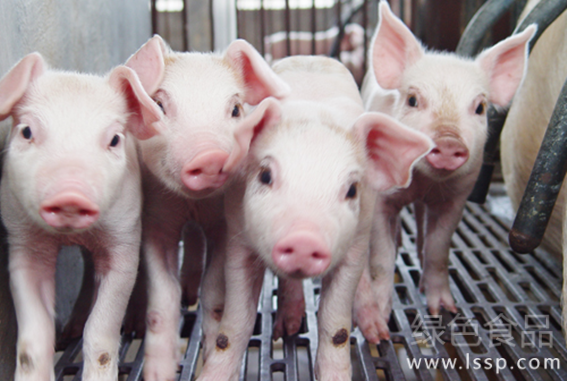
Pig
1. Physiological characteristics of nursery pigs
The digestive system of nursery pigs is still not fully developed, and their physiological changes are relatively rapid, making them very sensitive to the nutrition and raw material composition of the feed. Therefore, when selecting feed, choose raw materials with high nutrient concentration and high digestibility to adapt to their low occurrence rate of nutritional diarrhea.
2. Nutritional requirements of nursery pigs
The weight gain of nursery pigs depends to a large extent on energy supply. The daily weight gain of piglets increases with higher energy intake, and feed conversion efficiency will also be significantly improved; at the same time, the protein requirement of piglets is also related to the energy level in the feed. Therefore, energy should still be the priority consideration for weaned piglets, rather than overemphasizing the function of protein.
Nursery pigs undergo relatively large physiological changes throughout the entire growth stage. The physiological characteristics of each stage are different, and the nutritional requirements are also different. In order to fully realize the genetic potential of each stage, the diet still needs high nutrient concentration, high palatability, and high digestibility, with digestible energy of 3300-3400Kcal/kg, crude protein of 18.5-19.0%, an energy-to-protein ratio of 178-180, lysine above 1.22%, and a lysine-to-energy ratio of about 3.6 (g/MKcal). In terms of raw material selection, the content of dairy products and plasma protein can be reduced or eliminated, and the amount of conventional raw materials such as soybean meal can be increased, but conventional soybean meal still needs to be used in large amounts. It can be replaced with dehulled soybean meal, extruded soybeans, or fermented soybean meal. In the later stage of nursery piglets, the digestive system of the piglets has become increasingly complete and their digestive capacity is stronger. Nutritional requirements can be reduced according to the actual situation of the pig farm, and the feed can be gradually switched and transitioned to piglet feed.
3. Health management of nursery pigs
After the pig pens and pig houses are emptied, all surrounding environments and facilities, including ceilings, fans, main roads, troughs, and drinkers, must be strictly cleaned with caustic soda and disinfected by fumigation; before introducing pigs, they should be thoroughly dried and left empty, and the room temperature should be controlled before introducing pigs. Due to stress responses, weaned piglets have reduced body fat, and their body water distribution will change somewhat, making them more sensitive to temperature changes. Therefore, the environmental temperature during the first 10 days after weaning should be slightly higher than the farrowing pen temperature before weaning. If the temperature is too low, piglets will show restlessness and are prone to diarrhea and other phenomena. Pay attention to preventing drafts. According to tests, even an air speed of 15 cm/min can cause the actual body surface temperature of piglets to drop by 40C, seriously affecting piglet growth.
4. Feeding and management of nursery pigs
Ventilation and air exchange: Under intensive pig farming conditions, strengthening pig house ventilation and improving pig house air quality is an important part of daily management. Usually at this stage, people often attach importance to keeping warm and neglect ventilation and air exchange in the pig house, resulting in piglets being prone to respiratory diseases and a decline in weight gain speed. Piglets transferred into the nursery house should be raised in pens according to body size and strength, trying to make the individuals in each pen as uniform as possible, and placing the smallest pigs in the warmest special care pen in the room, leaving one or more empty pens for disadvantaged and weak piglets. For piglets newly transferred to the nursery, training should be strengthened to train them to develop the habit of eating, defecating, and sleeping in fixed locations, so as to keep the pig pen dry and clean and the pigs hygienic. During the nursery stage of piglets, daily observation of the pig herd should be strengthened to promptly grasp the status of the herd. Healthy and normal pigs should sleep in scattered, active positions without crowding each other, walk with a normal gait, have shiny hair, show attention and alertness when someone enters the pig house, actively compete for feed when feeding, have curled tails, and have normal feces.