Autumn ducks can also achieve high-efficiency results: points to note when raising autumn ducks
People are generally used to raising early-spring ducks, but in fact, raising autumn ducks is also notably profitable. Features of raising autumn ducks: First, the climate is suitable. About 10 days after the beginning of autumn, when the ducklings are brought in and brooded, the survival rate is as high as 98%; after about 60 days of raising, the body weight can reach 1.5-2 kg, and the ducklings are easy to manage. Second, feed is saved. In autumn, ducklings can eat fallen grain and insects in the rice fields. After that, they can be grazed at lakeshores, ponds, ditches and other places, letting the ducklings forage for natural feed; the flock grows quickly and the raising cycle is shortened. The early-stage task of raising autumn ducks is to prevent heatstroke and lower the temperature and promote appetite; in the later stage, because the temperature drops, it is necessary to prevent cold and keep warm.
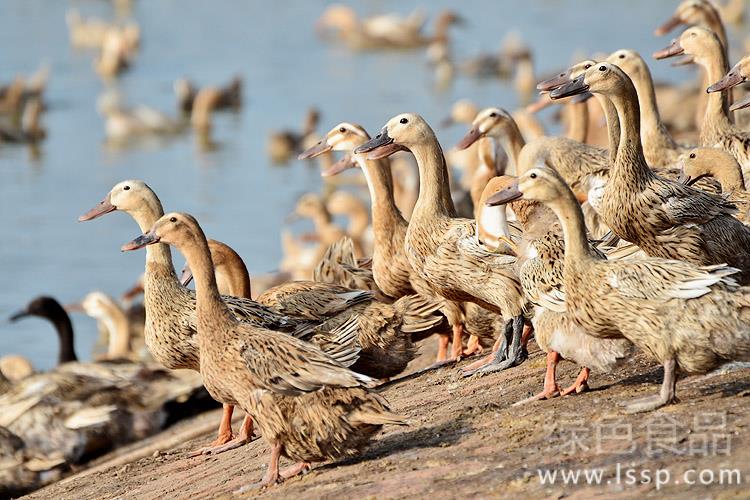
Duck flock
1. Strengthen ventilation:The air in the duck house needs to circulate, fresh and cool. If the night is stuffy and hot and the ducks call out, drive the ducks into the water; if conditions permit, an electric fan can be used for ventilation.
2. Add shade sheds:In early autumn, because the air temperature and water temperature are relatively high, the ducks are let out early and brought back late. During the hot midday period, drive them into shade sheds or under large trees to rest and cool off, reducing heat radiation. On dry, hot middays, cool water can be sprayed inside the shed and on the ducks' bodies to lower the temperature and prevent heatstroke.
3. Pay attention to feed formulation and feeding:Ducklings after 7 days of age are switched to normal rearing. The feed mixing ratio is (%): corn 38, second-grade flour 20, bran 10, soybean cake 25, fish meal 3, shell powder 2, bone meal 1.5, salt 0.5, plus an appropriate amount of multivitamins. During the 24 hours of the first week after hatching, the ducklings are given water and feed without interruption, allowing them to eat freely; after one week, feed them once every 3 hours; after 20 days of age, feed them 3 to 4 times a day, and make use of rice-field grazing to reduce the amount of feed used.
4. Strengthen warmth retention:From the end of October, it is necessary to prevent cold and keep warm. Block tightly the ventilated places around the duck house to prevent drafts from intruding. When grazing, drive the ducks to relatively warm riverbanks, ponds and ditches sheltered from the wind, let them bask in the sun and move their bodies.
5. Strengthen disease prevention:Frequently check the temperature of the duck house and observe the ducklings' eating, drinking, defecation and activity. Frequently wash the drinkers to ensure a sufficient supply of clean drinking water. The litter should be changed frequently or replaced with sand and soil, which has good permeability and also prevents the breeding of parasites and bacteria. In addition, attention should be paid to preventing ducks from catching colds caused by sudden weather changes. Ordinarily, drugs such as compound diaveridine, oxytetracycline calcium salt and compound vitamins can be added to the duck feed to prevent disease. Once ducks become ill, they should be treated immediately, and the sick ducks should be isolated and raised.