-
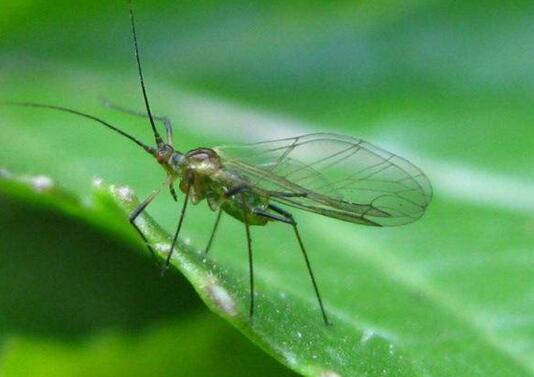
How to prevent and control pests and diseases in coleus? Seven methods to effectively reduce the incidence rate
Coleus is much loved for its graceful plant shape, rich leaf colors and ease of landscaping, but no matter how strong its adaptability, growing coleus will inevitably run into trouble with pests and diseases. What should you do if coleus gets bugs or shows signs of disease? Let's look at the methods for preventing and controlling pests and diseases in coleus
-
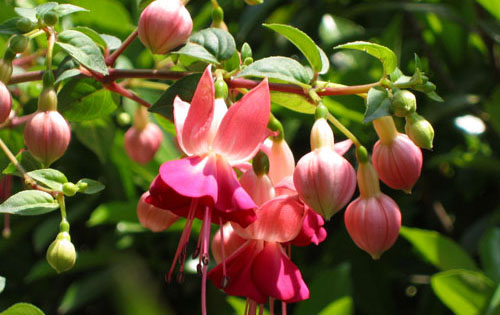
How to Effectively Prevent and Control Root Rot in Fuchsia
1. Cultivate fuchsia in fresh soil with good drainage; soil carrying pathogens should be sterilized with steam or treated with Dexon. 2. Water scientifically. Light, frequent watering is preferable; avoid heavy flooding. If the potting soil stays wet for a long time, the roots suffocate and rot easily. 3. Promptly clear away diseased and dead plant debris, pull out severely affected plants, and burn them thoroughly.
-
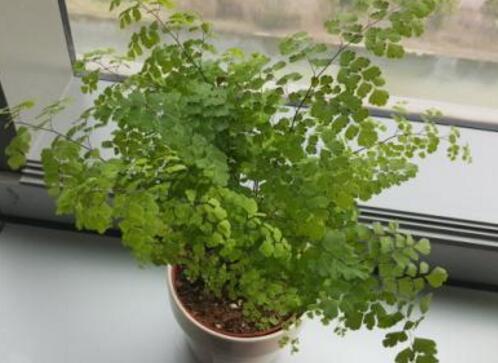
What to Do When Maidenhair Fern Leaves Turn Yellow? Five Tips to Help You Deal With It Effectively
The maidenhair fern (Adiantum) is a common indoor foliage plant because it is easy to grow and highly adaptable. However, during care and management, some flower enthusiasts run into the problem of yellowing leaves, which not only ruins the maidenhair fern's ornamental value but may also cause the whole plant to weaken, wither, and even die, leaving growers very distressed.
-

How to effectively prevent and control common pests and diseases of Euonymus japonicus?
Euonymus japonicus, as an evergreen shrub, is one of the most commonly used landscaping plants in urban streets, squares, parks, institutional courtyards, and residential green spaces. Due to the large differences in its growing environment and relatively extensive management measures, the occurrence and damage of its pests and diseases are also relatively severe, seriously affecting the urban landscaping landscape. Investigating and studying the occurrence characteristics of the main pests and diseases of Euonymus japonicus can help formulate and implement prevention and control measures according to local conditions, achieving the goal of controlling damage and beautifying the environment. 1. Occurrence characteristics of main pests and diseases (1) Euonymus japonicus powdery mildew. Powdery mildew is a common
-
How can sheep bot fly larvae disease be treated effectively?
Sheep bot fly larvae disease mainly affects sheep and goats. This disease mainly occurs from early autumn to mid-autumn. After infection, the sheep become restless, showing symptoms such as shaking the head, running around, and lowering the head to press the tip of the nose against the ground; some hide their heads under the bellies of other sheep. Treatment: (1) In early autumn, when adult flies fly and deposit larvae, an insecticidal ointment can be applied to the sheep's nose and nostrils once every 7 days to prevent adult flies from depositing larvae. (2) Spray 60 ml of 3% Lysol solution into the sheep's nostrils once a day for 7 consecutive days; the curative effect is excellent.
-
How to effectively treat acute rheumatism in pigs
To prevent acute rheumatism in pigs, feeding management must be strengthened, strictly guarding against invasion by wind, cold and dampness, improving ventilation, and promptly removing manure, urine, sludge and muddy water from the pen to keep the floor dry and clean. Add thicker bedding, protect against cold and keep warm, and prevent bedsores. Treatment: (1) For each pig, use 20 to 50 milliliters of 10 percent sodium salicylate injection or compound sodium salicylate injection, intramuscularly, once a day, for 2 to 3 consecutive days. (2) For each pig, use 5 to 10 milliliters of compound aminopyrine injection, intramuscularly, once a day, for 2 to 3 consecutive days. (3) For each
-
Clever foliar feeding for tea plants effectively improves quality
If famous tea is contaminated, especially export products, its output value and reputation will both suffer severe setbacks. To improve tea quality and yield, in addition to measures such as planting green manure in tea gardens, mulching to retain moisture, applying sufficient farmyard manure after each harvest, and improving tea-processing techniques, foliar fertilizer should also be used cleverly. This is a good method that uses little fertilizer, takes effect quickly and gives high returns, generally increasing yield by more than 20%-30%. The techniques are: Fertilization timing. When the new shoots of each round of spring, summer and autumn tea flush grow out to the initial unfolding of one bud and one leaf, choose a windless sunny morning, evening
-
How can cold-water fish farming effectively prevent and control pathogens?
1. Establish a strict quarantine system. When introducing and exporting fish eggs and fry, all farming areas must strictly carry out quarantine to prevent and control the occurrence of diseases. Farms should set up quarantine ponds to isolate introduced fish species; only after the introduced fish are confirmed free of important diseases may they be temporarily reared. Quarantine ponds are generally located at the end of the drainage ditch. The length of quarantine time should be determined by the transport season, water temperature, and the characteristics of the disease. When the average temperature is not lower than 12°C, 20 days are required; when the water temperature is higher, it can be shortened, which is determined on the basis that the lower the temperature, the longer the incubation period. If
-
Secondary bagging of edible fungi can effectively prevent infection
In the production of shiitake mushrooms (Lentinula edodes), lion's mane mushrooms (Hericium erinaceus), wood ear mushrooms (Auricularia heimuer) and others, the secondary bagging technique is applied (that is, when the mushroom logs come out of the sterilization chamber, an extra layer of thin film bag is put on, so that the mushroom logs inside the bag do not come into direct contact with the ambient air), which effectively solves the problem of cross-infection during the log production process and keeps the strain survival rate above 97%. The technique is described below: 1. Preparation of the outer bag The outer bag should preferably be a low-density polyethylene film bag with a circumference 2 cm larger than the inner bag, a length 5 cm longer than the inner bag, and a thickness of 0.2 silk, with one end tied and sealed for later use.
-
Strengthen pig drinking water management to effectively improve pig farming benefits
Strengthen pig drinking water management, supply sufficient drinking water according to the physiological characteristics of pigs, and meet the water needs of growth and development, especially for fattening pigs, water management should be strengthened even more. The specific methods are: 1. Set up drinking troughs. In order to meet the drinking water needs of pigs and avoid all the disadvantages caused by insufficient drinking water, pig farmers should give pigs drinking water at least 4 to 5 times a day. It is best to set up dedicated drinking troughs in the pig house or activity yard so that pigs can drink freely and meet the water needs of pig growth and development. 2. According to the physiological characteristics of pigs
条件筛选