-
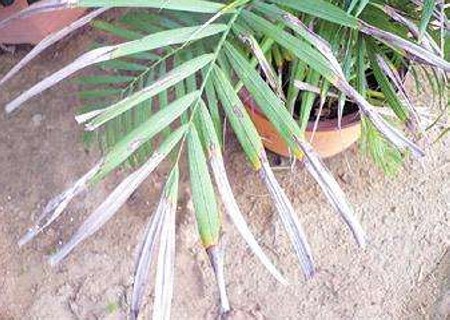
How to effectively treat areca palm (Dypsis lutescens) leaf blight
Leaf blight is a common disease caused by fungal infection. Areca palms are prone to this disease under conditions of high temperature, high humidity and poor ventilation, and the damage it causes is relatively serious. In mild cases, the plant's leaves appear dry and withered; in severe cases, it may lead to the death of the plant. So
-
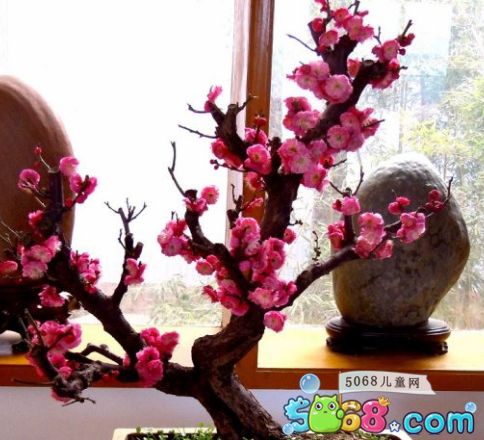
How should plum blossoms be cared for effectively before winter arrives?
Plums like to bloom in the cold winter, but if they can be kept in good condition before winter, then flowering will be much easier. Below, the editor will introduce to you effective methods for plum blossom care before winter. I hope everyone enjoys it. 1. Watering plum blossoms. Before winter arrives is autumn. At this time
-
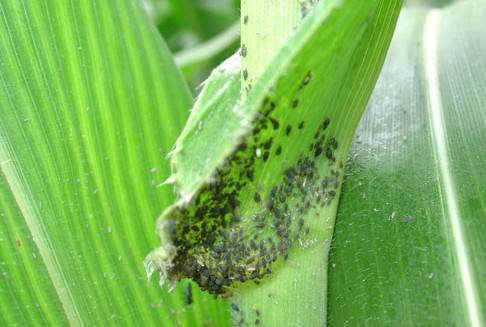
How to effectively identify and control the most common pests and diseases in home gardening?
Indoor flowers and green plants can adorn our living and office spaces, relieve stress, and are also a great life hobby, but at present, the occurrence of pests and diseases in flower growing is also something that is very easy to encounter. How can we make good use of flowers to beautify our lives and grow the flowers at home in a colorful way
-
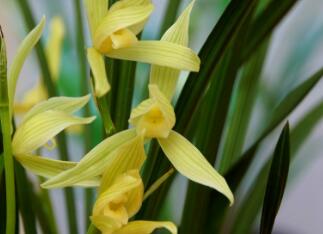
Orchid leaves turning yellow: find the cause and you can solve it effectively
The ancients said: Orchids grow in secluded valleys, and do not fail to be fragrant because no one is there. This is enough to show the elegance and purity of orchids, which is also why ancient scholars and writers loved orchids and often compared them to the gentleman among flowers. Nowadays many plant lovers are also fond of orchids, often planting them in home courtyards, living rooms or bedrooms
-
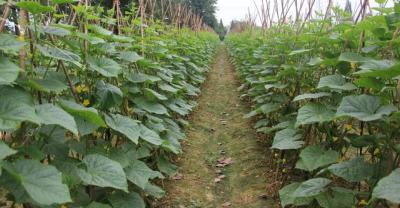
Pepper cultivation techniques explained: teaching you to effectively prevent the "three drops" phenomenon
Farmers growing peppers have all encountered the phenomenon of flower drop, fruit drop and leaf drop. This phenomenon is the "three drops" phenomenon of peppers. The main cause of the "three drops" is...
-

Scientific use of chemical control technology in cotton can effectively increase yield
Scientific chemical control of cotton is an important scientific measure for increasing cotton yield. Chemical regulation technology has three benefits: first, it helps strong seedlings to develop early, controls height and stabilizes growth, making it easier to give play to the yield-increasing advantage; second, it simplifies cotton field management, saving labor and cost; third, it promotes the transformation of second- and third-grade cotton seedlings, achieving balanced development and increasing yield and efficiency. The principle of chemical control is "small amounts, many times; light control, frequent adjustment." One should master "spray every time, control every time" or "control once at every interval" (flexibly according to soil fertility, rainfall, and growth condition), and it is best to "divide the amount for one application into three applications," ensuring the plant grows steadily and robustly "strong but not excessive" from beginning to end. If chemical control is done poorly, it can cause excessive growth or stiff seedlings that do not develop, affecting the normal growth of cotton. Therefore, in the process of implementing chemical control, the dosage of the chemical control agent must be strictly controlled.
-
How can bamboo-leaf grass in cotton fields be controlled effectively?
First choose a suitable herbicide, then decide the dosage according to the weed species, leaf age and humidity level. For example, when using fluazifop-P-butyl to control annual weeds, when soil moisture is suitable, the effective ingredient dosage per mu is 9-17 grams; under drought conditions it is 17-24 grams; to control perennial weeds, the effective ingredient dosage per mu is 27-45 grams. Spray on the stems and leaves when grass weeds are at the 2-5 leaf stage. In summer, apply the herbicide on windless days, in the early morning and evening when temperatures are lower; uniform spraying is required, and keeping
-
How to effectively prevent and control cotton angular leaf spot
Cotton angular leaf spot is a bacterial disease. Cotton can be affected from the cotyledon stage to the mature plant stage. After infection, dark green small spots first appear on the underside of the leaves, and later the spots gradually expand, restricted by the leaf veins to form polygonal oil-soaked lesions. When the bacterial fluid is moist, it is a yellowish-brown sticky substance, and after drying it becomes a white scab-like substance. In severe cases, it can cause the leaves to dry up and fall off. If diseased leaves are held up to the light, the lesion areas look like oiled paper. The causes are, first, continuous cropping on the same land, with the disease developing from bacteria carried by diseased residues in the soil; second, poor light, high humidity and high temperature, with damaged cotton branches and leaves, which favors
-
Clever foliar feeding for tea plants effectively improves quality
If famous tea is contaminated, especially export products, its output value and reputation will both suffer severe setbacks. To improve tea quality and yield, in addition to measures such as planting green manure in tea gardens, mulching to retain moisture, applying sufficient farmyard manure after each harvest, and improving tea-processing techniques, foliar fertilizer should also be used cleverly. This is a good method that uses little fertilizer, takes effect quickly and gives high returns, generally increasing yield by more than 20%-30%. The techniques are: Fertilization timing. When the new shoots of each round of spring, summer and autumn tea flush grow out to the initial unfolding of one bud and one leaf, choose a windless sunny morning, evening
-
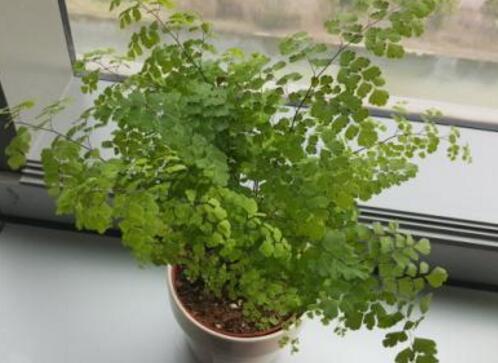
What to Do When Maidenhair Fern Leaves Turn Yellow? Five Tips to Help You Deal With It Effectively
The maidenhair fern (Adiantum) is a common indoor foliage plant because it is easy to grow and highly adaptable. However, during care and management, some flower enthusiasts run into the problem of yellowing leaves, which not only ruins the maidenhair fern's ornamental value but may also cause the whole plant to weaken, wither, and even die, leaving growers very distressed.
条件筛选