-
Effect of phosphorus nutrition on double-low rapeseed and the timing of application
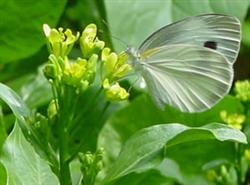
Rapeseed white butterfly, scientific name Artogeia (Pieris) rapae (Linnaeus), order Lepidoptera, family Pieridae. Synonym Artogeia rapae (L.). Also known as the cabbage white butterfly, white powder butterfly. The larva is called the cabbage caterpillar. Distributed throughout the country. Hosts include rapeseed, cabbage, cauliflower, Chinese cabbage, radish and other cruciferous vegetables...
-
How can corn red leaf disease be controlled effectively?
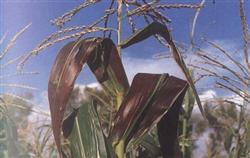
Symptoms: When improved varieties bred with Huangzaosi encounter low temperatures and rainy, overcast weather during the grain-filling stage, their leaves turn red, which is called red leaf disease. Cause: The occurrence of this disease is related to the fast grain-filling of this variety. When large amounts of synthesized sugars cannot be quickly converted due to metabolic disorders, they become anthocyanins, and the green leaves turn red. Control methods: (1) In areas where it occurs severely, do not...
-
How to effectively prevent and control cotton bacterial angular leaf spot
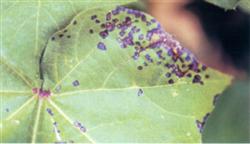
I. Agricultural measures. 1. Prepare the soil carefully, apply sufficient basal fertilizer, ensure adequate pre-planting soil moisture, and select disease-resistant varieties. 2. Practice rational crop rotation, plow deeply and irrigate in winter to promote the decomposition of diseased plant residues. 3. During the seedling stage, strengthen intertillage, reduce soil moisture, apply less nitrogen fertilizer and more phosphorus and potassium fertilizer, and cultivate strong seedlings. 4. Strengthen cotton field management, drain promptly after rain...
-
Effectiveness of first supplementing then regulating when watering kidney beans
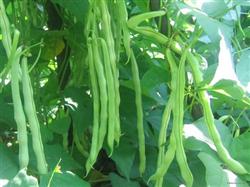
Vegetable growers often say, "Water kidney beans at the pod stage, not at the flower stage." Based on several years of experience and theoretical exploration, the author believes that "water kidney beans at the pod stage, not at the flower stage" should become a thing of the past. The reason is: with the advent of humic acid foliar fertilizer, it can be directly absorbed by the leaves and stems, and high concentrations of humic acid foliar fertilizer can inhibit vegetative growth and promote...
-
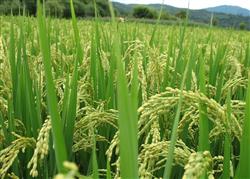
What is the effect of different fertilizer ratios on rice yield?
When rice shows premature senescence from the heading to the maturity stage, it leads to poor grain filling, an increase in blighted grains, and reduced yield. There are many factors that cause premature senescence in the late growth stage of rice. First, improper cultivation management. If the planting density is too high, the plants grow thin and weak; if too much nitrogen fertilizer is applied in the early and middle stages, while phosphorus, potassium and trace element fertilizers are applied...
-
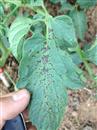
Which fungicides are effective for controlling tomato sesame leaf spot
★Symptoms: Tomato sesame leaf spot, also known as brown spot. It mainly infects leaves, and also infects petioles, fruit stalks and fruits. On leaves, grayish-brown round or nearly round spots 1-10 mm in diameter with distinct edges first appear; the diseased parts become thin and sunken, with a glossy appearance, especially obvious on the underside of the leaf, which distinguishes it from other leaf spot diseases. Large spots sometimes show concentric rings, and under humid...
-
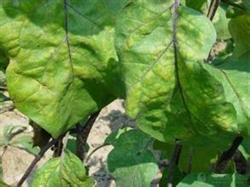
How to Effectively Prevent and Control Fertilizer Burn in Tomatoes
Leaf mold is a major disease of greenhouse tomatoes. It mainly damages the leaves. Insufficient light, poor ventilation, and excessive humidity inside the greenhouse are the main causes of leaf mold. The control methods are: choose disease-resistant varieties, such as Jingyan Jiafen No. 17. Strengthen temperature and humidity management, and ventilate in time to reduce humidity. Balance fertilization, use formula fertilization...
-
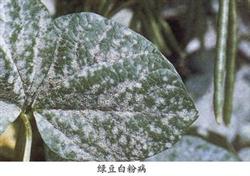
What are the effective methods to prevent mung beans from being damaged by insects?
Symptoms: Mung bean powdery mildew affects leaves, stems and pods. When leaves are affected, scattered white powdery mildew spots appear on the surface; when the climate is suitable, the diseased leaves are covered with white powdery material, and in severe cases the leaves turn yellow and drop early. When young pods are affected, they become deformed, with white powdery material on the surface, and later black...
-
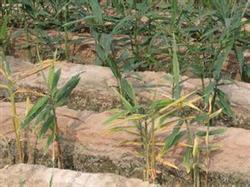
Effective control methods for ginger stem base rot
In recent years, with the continuous expansion of continuous ginger cropping areas, combined with extensive field management, ginger diseases have also shown a worsening trend, especially since June, due to high temperatures and frequent rain, ginger stem base rot is most likely to occur. Recently, Li Hualiang and Lu Changlei from Renzhao Town, Pingdu City, Shandong Province, and Yu Wanquan from Ju County and others reported that in their area...
-
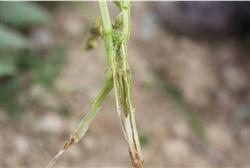
Which fungicides are effective for controlling Fusarium wilt in cowpeas (Vigna unguiculata)?
In the early stage of the disease, you can use a 1000-fold dilution of 50% carbendazim wettable powder, or a 400-fold dilution of 10% Shuangxiaoling aqueous solution, or a 1000-fold dilution of 75% thiophanate-methyl wettable powder, applying 50 to 150 grams per plant, once every 7 to 10 days, for 2 to 3 consecutive applications. Alternatively, mix 500 grams of 50% carbendazim wettable powder with 200 kg of dry soil and apply it in furrows along the sowing rows at 200 kg per mu.
条件筛选