-

How to effectively prevent and control yellowing leaves in Chinese chives
How to prevent and control yellowing leaves in Chinese chives
-

What are the causes of newborn rabbit deaths? How to effectively prevent and control them
Causes of newborn rabbit deaths and countermeasures
-
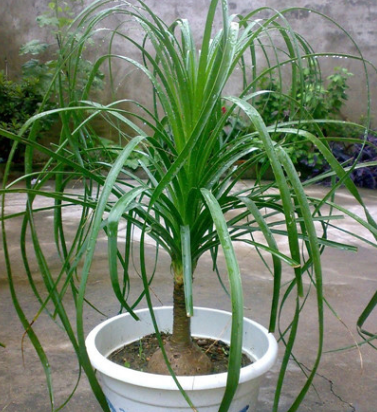
What are the propagation methods and feng shui effects of the ponytail palm?
Many flower enthusiasts use cuttings to propagate the ponytail palm, but what is the cutting medium for the ponytail palm, how do you choose the branches... a series of questions, so how exactly do you take cuttings? Let's go take a look together. How to propagate the ponytail palm - temperature management for ponytail palm cuttings
-
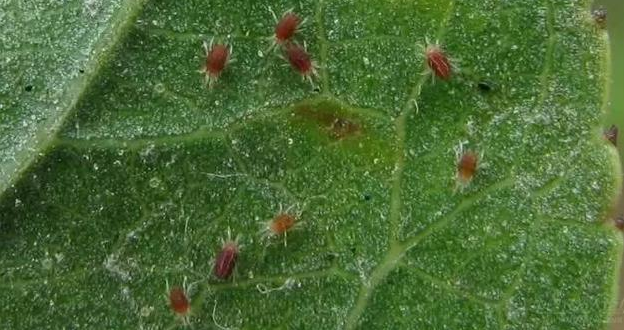
What pesticides are effective for controlling red spider mites, thrips, and whiteflies?
Growing flowers is not so easy; plants can get sick too. How do you deal with red spider mites, thrips, and whiteflies? What pesticides work best for red spider mites, thrips, and whiteflies: Red spider mite treatment methods: (1) If only a few leaves have red spider mites, you can remove the infested leaves. (2) If there are quite a lot, then use pesticides.
-

Harvesting, Processing Methods and Medicinal Effects of Polygonatum
Harvesting and processing: Polygonatum grown from transplanted rhizomes is harvested after 1 to 2 years, while plants grown from seed are harvested after 3 to 4 years. In late autumn or early spring, dig out the rhizomes, wash off the soil, remove the fibrous roots and diseased scars, steam for 10 to 20 minutes (until thoroughly steamed), take them out and dry them in the sun, kneading them while drying; after 7 to 10 days of sun-drying they will be dry. Medicinal effects: Polygonatum is sweet in flavor and neutral in nature. It enters the spleen, lung and kidney meridians. It has the effects of tonifying the spleen and moistening the lungs, nourishing yin and promoting fluid production, tonifying the middle and replenishing qi, and strengthening the tendons and bones. It treats consumptive damage with alternating cold and heat, pulmonary tuberculosis with coughing of blood, pulmonary tuberculosis with dry cough and no phlegm, diabetes, hypertension, and post-illness bodily
-
What to Do About the Green Leafhopper on Rice? A Detailed Guide to Effective Control Methods
Scientific name: Homoptera, Delphacidae. Distributed in the wild rice stem (Zizania latifolia) and rice-growing areas of both southern and northern China. Hosts include rice, wild rice stem, and wild Zizania latifolia. Damage characteristics: adults and nymphs pierce and suck the sap of rice; affected leaves develop yellowish-white to light brown or reddish-brown spots, after which the leaves gradually turn yellow and dry up from the tip toward the base; excrement covers the leaf surface, forming a sooty mold-like coating; the female's egg-laying scars are initially water-soaked, then secrete white downy waxy powder; once wounds appear, the plant loses water, wilting in clumps and dying off in patches. Morphological characteristics: male adult body length 5-6.1 mm,
-
What effect does a low-fiber diet have on sows?
When the crude fiber content in the diet is too low, it can also trigger a series of problems in pregnant and lactating sows. For example, it easily causes constipation in sows; the reason may be that feed stays in the digestive tract too long, too much water is absorbed, and the feces become dry, causing constipation. In addition, digestive tract problems such as gastric ulcers in sows in factory farming may also be related to the level of dietary fiber content. If sows in early pregnancy are fed a low-fiber diet, then, limited by feed intake, it is difficult for them to feel full, which can trigger problems such as jumping out of the pen.
-
What are the effective control methods for mushroom fungus maggots
There are many kinds of maggot-like larvae that damage mushroom fruiting bodies and mycelium, collectively known as "fungus maggots." The four more common ones are mushroom gnats, gall midges, mushroom flies, and dung flies. Their larvae--maggots--look roughly similar in morphology to the naked eye, and among the adults only the gnats and flies show obvious differences. The morphology and even the living habits of gall midges, mushroom flies, and dung flies are very similar, so they are often mistaken for just one species, all called "fungus flies." Fungus maggots (larvae) bore into and eat the fruiting bodies, turning the mushrooms into waste products, and some damage the mycelium. Bored into and eaten by fungus maggots
-
How to Effectively Prevent and Control Cherry Blossom Brown Spot Shot Hole Disease
I. Symptoms: Shot hole disease can be divided into fungal and bacterial types. Cherry blossom brown spot shot hole disease is caused by fungi. It mainly damages leaves and also infects new shoots. It usually starts from the lower part of the canopy and gradually spreads upward. In the early stage of the disease, needle-tip-sized purplish-brown small spots are scattered on the upper side of the leaves, later expanding into round or nearly round lesions 3-5 mm in diameter. The edges of the brown spots are purplish-brown, and grayish-brown mold spots appear on the lesions in the later stage. An abscission layer forms at the edge of the spot, and the lesion dries up and falls off, forming shot holes. II. Disease Pattern: The pathogen of cherry blossom brown spot shot hole disease overwinters in diseased leaves or shoot parts
-
What other effects does feed have on egg quality?
Egg weight is affected to a certain extent by the protein level of the diet. Increasing the protein level of the diet, especially the level of animal protein, helps to increase egg weight. Some trace elements are related to the internal quality of eggs. Adding iron, copper, zinc and selenium to the diet can improve the internal quality of eggs. If the feed is contaminated by pesticides or toxic heavy metals, it will also affect egg quality.
条件筛选