-

How to select and stock eel fry? Detailed methods
The fry sources for yellow eel (Monopterus albus) fall into two modes: self-breeding and self-raising, and purchasing wild yellow eels for farming. Here the focus is on purchasing wild yellow eels for farming. Purchasing wild yellow eels for artificial farming is currently the method commonly used by the vast majority of eel farmers; generally they are purchased and farmed from April to September, then caught and sold on the market in winter or around the Spring Festival, and can gain 1-5 times their weight (depending on the length of the purchase-and-farming period). Generally the summer purchase price is below 20 yuan/kg, and the winter selling price is above 40 yuan/kg, so the farming profit is very considerable.
-
How to Catch Natural Eel Fry? Three Methods Explained
There are mainly three fishing methods: 1. Stake net. The stake net is trumpet-shaped, generally 9 m long with a mesh circumference of 6-7 m, and can be woven from polyethylene twine. It gradually narrows from the mouth to the rear end, and the tail end of the mouth is connected to a floating fry collection box. The mesh of the fry collection box is 50-60 mesh. The stake net should be fixed on the beach far from the sluice gate, and it collects and catches eel fry with the tide. It can be harvested during both the rising and falling tides. With two people working, one rows a small boat, and the other regularly lifts the fry collection box with a small white porcelain basin, scoops out the eels
-
How was the trial on early breeding of rice field eel fry in greenhouses carried out?
At present, cage culture of rice field eels is concentrated on collecting fry in July, which gives a high survival rate and low farming risk. But concentrating purchases means few fry sources, high prices, and a low weight-gain multiple. If fry are purchased earlier, the unstable temperature leads to a high mortality rate of the fry. How can this problem be solved? We carried out a trial on early breeding of rice field eel fry in greenhouses, and a brief summary of the trial is as follows: 1. Trial conditions 1. Trial pond: a newly excavated artificial water surface, 250 m long, 4 m wide and 1.5 m deep, with an area of 1000 sq m. The water source is lake
-

What Is the Price of Eel Fry? A Detailed Guide to Farming Methods
Eel Fry Prices and Farming Methods
-
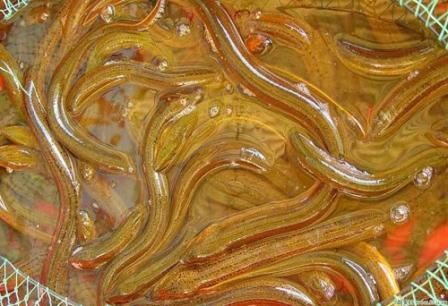
For artificially farming rice field eels, how do you solve the problem of fry and fingerlings?
Question: To carry out artificial farming of rice field eels, how do you solve the problem of fry and fingerlings?
-
How to Buy Rice Field Eel Fry Without Getting Scammed? A Detailed Guide to Anti-Fraud Methods
How to Avoid Being Scammed When Buying Rice Field Eel Fry
-
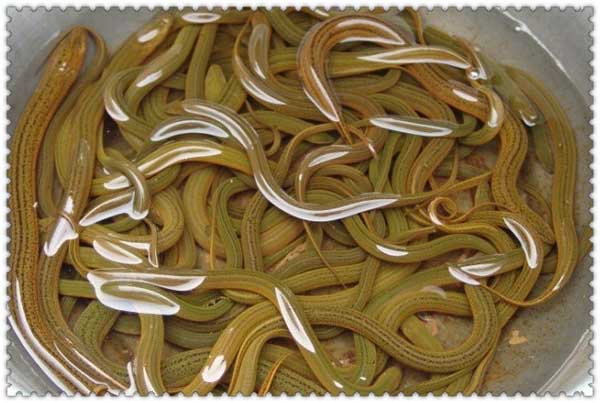
What are the ways in which rice field eels reproduce and produce fry?
The ways in which rice field eels reproduce and produce fry
-
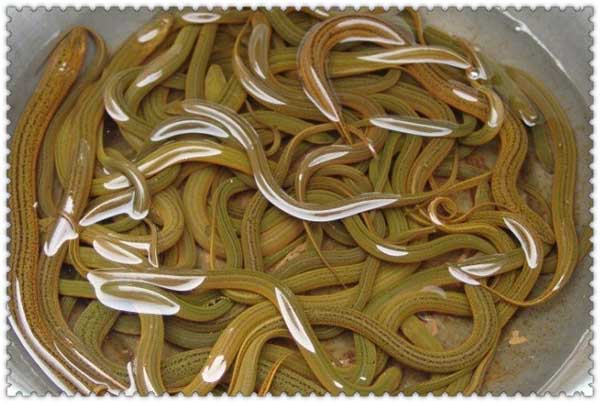
Detailed Explanation of the Key Technical Points for Domesticating Wild Swamp Eel (Monopterus albus) Fry and Fingerlings
Domestication Techniques for Wild Swamp Eel Fry and Fingerlings
-
-
条件筛选