How are eel fry transported?
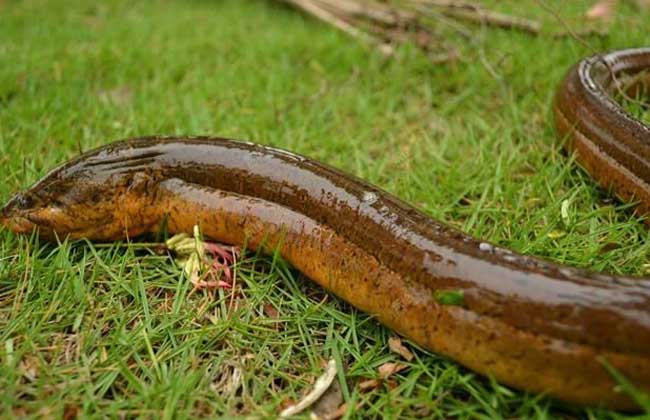
The quality of the transport method for eel fry directly affects the quality of the fry. How should eel fry be transported to ensure quality? Here are several safe transport methods for eel fry:
Vehicle transport
The greatest harm when transporting eels by vehicle is vibration. The longer the vibration lasts and the greater its intensity, the more severely the eels' physiological functions are damaged. To reduce the water waves stirred up by vibration during vehicle transport of eels, we can place a layer of soft aquatic plants about 15 cm thick in the container holding the eels, such as four-leaf clover (Marsilea quadrifolia) or tender water peanut (Alternanthera philoxeroides). This absorbs part of the shock and prevents the water in the container from surging. If the aquatic plants used are older and harder, they can be trampled firmly with the feet, and after being softened, washed clean and then placed into the container for transporting the eels.
Bamboo crates
Whether they are eel baskets made of bamboo crates, they all share the weakness of slightly damaging the mucus on the eels' body surface when loading and transporting eels. To address this, some yellow thin mud can be smeared on the bottom of the bamboo crate, or 1 to 2 eggs can be beaten into a paste and spread on the bottom of the bamboo crate, thereby increasing the smoothness of the crate bottom and protecting the mucus on the body surface of the eel fry from damage.
Manual carrying
Carrying eel fry manually is the safest and most reliable method of transporting eel fry. Its advantages are: little vibration, and the transport tools can be optimally selected. However, the transport speed is slower and the transport time is longer. Therefore, during transport, care must be taken to shade the container to prevent harm from temperature differences. In addition, when manually carrying eel fry, it is best not to use water or to use only a small amount of water, so as to prevent the eels from becoming dizzy and dying due to surging water waves.