-
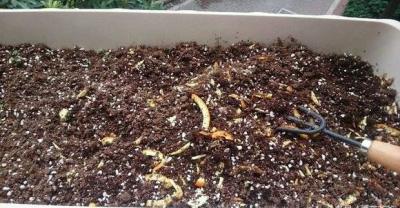
DIY flower fertilizer costs nothing, turns waste into treasure and beats chemical fertilizer, making plant care easy
When it comes to flower fertilizer, it is really just compound fertilizer plus nitrogen, phosphorus and potassium. If you often shop at flower stores, have you ever thought that you can easily make flower...
-

Growing mint in summer can repel mosquitoes and prevent heatstroke, but pay attention to these points
In summer, mint is especially popular. Its taste feels cool and refreshing, and it also has the effect of preventing and controlling mosquitoes. But if mint is not well cared for...
-

Three generations of grain kings discuss grain farming: nothing beats grain farming
Three generations of "grain kings" discuss grain farming: nothing beats grain farming
-

Practical technical points for heatstroke prevention and cooling in summer chicken raising
The most suitable temperature for laying hen production is 17°C to 28°C, and the temperature range with little effect on production is roughly 7°C to 27°C. When summer temperatures in Shandong generally exceed 35°C, chickens will faint, and when they reach 40°C, chickens will die. Experiments have shown that when the temperature inside the chicken house reaches above 30°C, rooster sperm decreases, hen sexual maturity is delayed, the fertilization rate drops by 60%, and laying by laying hens generally declines. At the same time, due to a drop in blood calcium and an imbalance in acid-base balance, other diseases are easily induced, such as E. coli and mycoplasma disease. Because broiler chickens are large in body size, prone to fat
-
Detailed Explanation of Prevention and Treatment Techniques for Heatstroke in Rabbits
1. Etiology This disease mostly occurs in the hot summer weather, and is most common in wool rabbits. Domestic rabbits have underdeveloped sweat glands and dissipate body heat very slowly through the body surface. Wool rabbits whose wool has not been sheared have even more difficulty dissipating heat. When the external temperature is above 33°C, heat dissipation mainly relies on increasing respiratory rate to regulate body temperature. According to measurements, when the temperature reaches as high as 35°C, the respiratory rate of domestic rabbits surges from an average of more than 40 times per minute to more than 200 times. During high-temperature periods, if the rabbit hutch is poorly ventilated, overcrowded, or during long-distance transport, the body heat of wool rabbits cannot be dissipated in time, which will cause heatstroke. Rabbits of all ages can
-
Both sunstroke and heatstroke in pigs are caused by high temperatures
In the hot summer, pigs are prone to heatstroke. In fact, heatstroke is the collective term for sunstroke and heatstroke, which traditional Chinese veterinary medicine calls black-sweat wind. Causes The causes of sunstroke and heatstroke differ, but their pathological processes cannot be completely separated. Sunstroke occurs when pigs are exposed to direct sunlight for too long, causing a rise in physiological body temperature and overheating and warming of the skin, which dilates the skin blood vessels. On the other hand, overheating of the head leads to congestion of the brain and meninges, ultimately causing disorders of the cerebral cortex regulatory function and the vital centers in pigs.
-
How to prevent and treat heatstroke in cattle? A detailed explanation of integrated prevention and treatment technical points
Heatstroke in cattle is a common disease in summer and autumn, especially in draft cattle and calves. If heatstroke in cattle is not prevented and treated in time, it often causes death or seriously affects farm work, so great attention should be paid to it. I. Causes and symptoms. Heatstroke in cattle is the general term for sunstroke and heatstroke. In hot seasons, when the head of cattle is exposed to intense sunlight, it causes congestion of the blood vessels of the brain and meninges and substantive brain lesions, resulting in sunstroke. Narrow, low, stuffy, humid, and poorly ventilated cattle sheds; excessive work and insufficient drinking water; walking for a relatively long time on cement or
-
What are the prevention and treatment methods for pig heatstroke?
In 1996, Waisha Town saw a wave of pig farming. Due to insufficient funds, there were many small pig farms. Only one had a certain scale, producing over a thousand pigs per year, 8 produced several hundred per year, and many were farm-style pig farms producing several dozen per year. Sows were mainly Landrace-Yorkshire and Yorkshire-Landrace crossbred offspring. Largely because the pig houses were low and small, the equipment was crude, ventilation was insufficient, the sheds were stuffy and hot, and the smell of pig manure and urine was strong and foul, every year during the hot weather from June to early September, those obese non-pregnant sows or pregnant sows would suffer heatstroke. If not discovered in time
-
What are the treatment methods for heatstroke in rabbits?
① Plant vines around the rabbit hutch to provide shade, splash cool water on the ground at noon to lower the temperature, give the rabbits lightly salted water to drink over the long term, and let them rest fully. ② When summer arrives, shear wool rabbits once, and try to stop both male and female rabbits from breeding. ③ If a rabbit is found with heatstroke, immediately place it in a cool, well-ventilated spot, provide 1% saline, and at the same time apply a cold compress to its head or bleed it from the ear vein, then administer 3 drops of Shidishui. ④ Put garlic juice in its nose, or apply cooling oil to its temples, or soak a brick in cool water and let the rabbit lie on it to cool down.
-
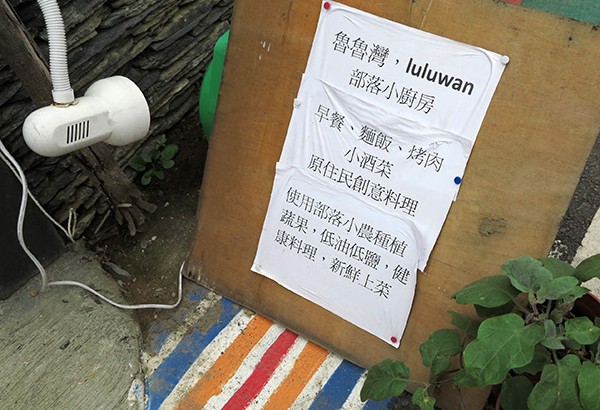
Luluwan Eats Grass: Take your taste buds on a journey through green delicacies
Go eat grass at Luluwan
条件筛选