-

What to Do If a Duck Suffers Heatstroke? Main Symptoms and Treatment Methods
After a duck suffers heatstroke, its body temperature rises, it squats and is unwilling to move, breathes with its mouth open or spreads its wings to dissipate heat. Subsequently, it becomes unsteady on its feet and experiences paroxysmal coma and paralysis. (The specific signs are the duck's head touching the ground or shaking its head, and being unsteady on its feet. When driven, it can run normally again, but before running far it again shows head touching the ground, coma, or head shaking and other neurological symptoms.) The treatment methods are as follows: 1. When a duck is found showing symptoms of heatstroke, it should immediately be moved to a shady place or a shade shed or shade net should be set up. 2. Use electrolytic vitamins or water-soluble vitamin
-
What to Do When Chickens and Ducks Suffer Heatstroke? Detailed Prevention and Treatment Measures
1. Causes of heatstroke in chickens: Persistently high temperatures, low chicken house height, poor heat prevention and cooling facilities, and lack of ventilation cause obstacles to the dissipation of accumulated heat in the house, making the temperature inside high; excessive stocking density means the flock releases more heat, raising the house temperature; manure is not cleaned in time, and after chicken manure accumulates, the ammonia concentration in the house increases and humidity rises, and under high temperature and high humidity, chickens' heat dissipation is impaired; insufficient drinking water; feed energy is too high, causing chickens to become overweight and accumulate too much body fat. 2. Symptoms and pathological changes of heatstroke in chickens: First
-
Identification of Heatstroke Symptoms in Sheep and Detailed Explanation of Treatment Methods
Heatstroke in sheep is the collective term for sunstroke and heat exhaustion. Sunstroke is an acute lesion caused by direct sunlight on the sheep's head, leading to congestion of the brain and meninges; heat exhaustion is a disease in which damp, muggy weather causes the body's heat production to exceed heat dissipation, causing heat to accumulate within the body and resulting in central nervous system disorder. Expert analysis of the disease. (1) Causes: Sunstroke is caused by direct exposure of the head to strong sunlight, making the head overheated and causing congestion of the brain and meninges. Heat exhaustion is caused by excessively high external temperatures, or a damp, muggy, crowded and cramped sheep shed, or poor ventilation during transport by vehicle or boat, with heat
-
Method for treating night sweats in livestock with Danggui Liuhuang Tang
Night sweats are mostly caused by yin deficiency with disturbed heat, so that the heart fluid cannot be restrained and stored. In livestock with yin deficiency and internal heat, during the day the defensive qi is firmly secured on the exterior, and even though internal heat steams the fluids, sweating cannot occur; at night the defensive qi moves into the yin division, and without the support of yang qi, the fluids cannot be stored internally, so they leak outward and become night sweats. Treatment principles: nourish yin and clear heat, restrain yin and stop sweating to secure the exterior. Prescription: Angelica sinensis (dong quai) and prepared Rehmannia each 50g, Scutellaria baicalensis and Phellodendron amurense each 40g, Coptis chinensis 30g, Astragalus membranaceus 100g, fossilized bone and oyster shell each 70g, Ephedra root and floating wheat each 80g, one dose daily; after one oral dose the sweating is greatly reduced, and after three doses the condition is cured.
-
Prevention and Treatment of Heatstroke, a Common Disease of Foxes and Raccoon Dogs in Autumn
From July to September, breeding foxes and raccoon dogs enter the recovery period, and the young enter the growing period. Heatstroke (sunstroke and heat exhaustion): this disease occurs in the height of summer, when the temperature is too high and ventilation is poor; the animal is exposed to direct sunlight, causing overheating of the brain (sunstroke), or the whole body is stimulated by heat (heat exhaustion). It usually develops rapidly and the mortality rate is very high. Foxes and raccoon dogs have extremely underdeveloped sweat glands and dissipate body heat slowly, so their body temperature rises very easily, with listlessness, swaying gait, a fainting state, vomiting, difficulty breathing, open mouth with protruding
-
What to Do If a Dog Has Heatstroke? Symptom Recognition and First Aid
Dogs are very intolerant of heat, because dogs do not sweat, and they will not stop activity just because of heat; a dog's body cannot regulate its own temperature, and a dog will not take care of itself by rehydrating in time; a dog's sweat glands are all on its tongue, so seeing a dog stick out its tongue and pant means the dog is very hot and needs to drink water to cool down or settle down and stop activity; short-nosed dogs are more sensitive to heat than long-nosed dogs and have a harder time dissipating heat. A dog's normal body temperature should be 37.8°c--39°c. When body temperature reaches 40.65°c, internal organs begin to be damaged, and when body temperature reaches 41°C
-
What are the key points for the prevention and treatment of heatstroke in ducks?
Duck heatstroke, also known as heat stress, is an acute disease caused when the body's heat-dissipation mechanism is impaired and heat balance is disrupted under conditions of high temperature and high humidity. If not handled promptly and effectively after onset, it can cause mass death of ducks, resulting in significant economic losses for farming. Main causes 1. Summer temperatures are too high, or humidity increases after heavy rain; ducks are most susceptible to heatstroke under the combined effect of high temperature and high humidity. 2. The duck exercise area has no shade facilities, causing ducks to be exposed to strong sunlight for extended periods.
-
The Benefits and Effects of White Plum Blossom: Good for the Eyes, Treats Ailments, and Brewed as Tea It Even Stimulates the Appetite
As for the white plum blossom, many people have surely seen it. Its flower shape is beautiful, its color is vivid, and it is a highly ornamental flower. When it comes to the benefits and effects of the white plum blossom, everyone will surely think of its beauty, but what about the rest? In fact, besides being ornamental, the white plum blossom also has a certain medicinal value and can be used to treat some ailments.
-
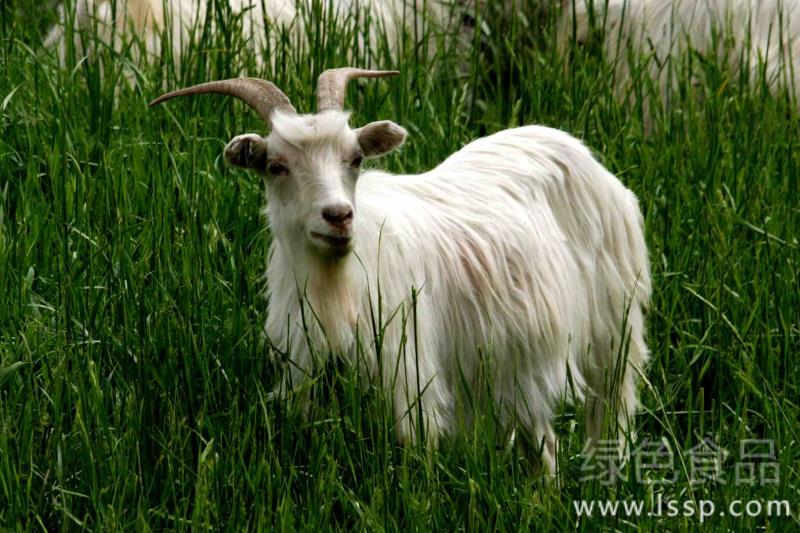
Prevention and Treatment Methods for Sheep Suffering from Poor Heat Dissipation and Susceptibility to Heatstroke in Summer
How to Prevent and Treat Heatstroke in Sheep in Summer When They Have Poor Heat Dissipation
-

Taitung Theme Heats Up at Hong Kong International Travel Expo, Summer Travel Boom Begins
As summer approaches, the Taitung County Government has issued a call to action, "Summer Launch: Direct Flights to Taitung," inviting everyone to come to Taitung for a midsummer journey of "Dynamic Taitung, Heat Rising!" The Hong Kong International Travel Expo was held from June 15 to 18 at the Hong Kong Con...
条件筛选