-

Methods and Technical Key Points for the Prevention and Control of Pests and Diseases in Polygonatum
(1) Black spot disease occurs mostly in spring, summer and autumn, and damages the leaves. Control methods: clean the garden at harvest time to eliminate diseased plant residues; in the early stage, spray 1:1:100 Bordeaux mixture once every 7 days, for 3 consecutive times. (2) White grubs damage plants in the larval stage, attacking the roots, biting off seedlings or gnawing the seedling roots, causing broken seedlings or cavities in the roots, and the damage is severe. Control methods: seed dressing with 75% phoxim emulsifiable concentrate at 0.1% of the seed amount; or during the field occurrence period, drench with 90% trichlorfon at 1000 times dilution.
-
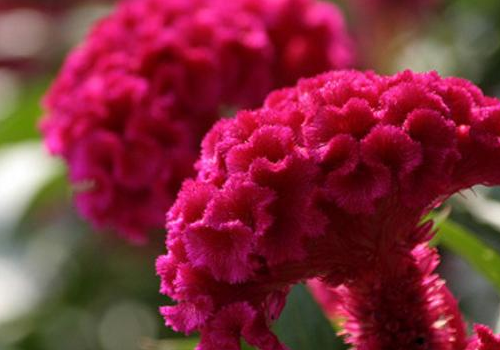
What diseases can cockscomb cure? What is the market price per jin of its seeds
Cockscomb (Celosia cristata) is an extremely beautiful flower, and it is extremely well suited to being grown in courtyards. So what diseases can cockscomb cure? What is the market price per jin of its seeds: What diseases can cockscomb cure: Although there is damp-heat in the body and external invasion of damp pathogens, when liver qi is stagnated, the liver wood will overcome the spleen earth
-
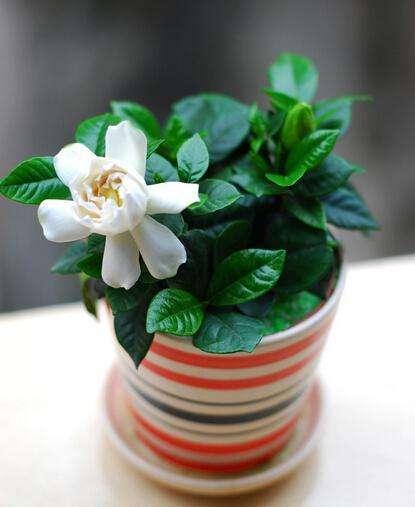
Want to treat high blood pressure or restore your eyesight? Which plants can treat chronic diseases?
Plants are something many people love, and most households grow quite a few of them. So which plants can treat chronic diseases: 1. Heat-clearing and wind-dispelling types: the fragrance of chrysanthemums and cloves can dispel wind and clear heat, with fairly good effects on headaches and viral colds.
-
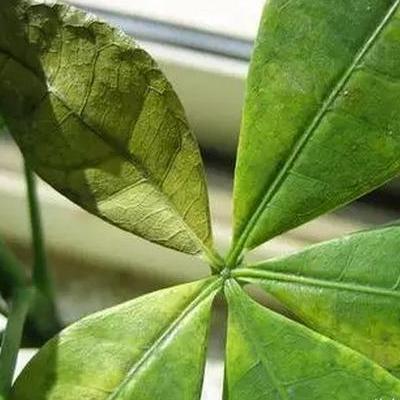
What Are the Symptoms of Physiological Diseases in Flowers and Plants and How to Treat Them
Flowers and plants are something many people love to grow, but when they get sick, it is a real headache. What are the symptoms of physiological diseases in flowers and plants? What to do about physiological diseases in flowers and plants: What are the symptoms of physiological diseases in flowers and plants: The first is leaf discoloration. The leaf color becomes lighter, or turns yellow or white
-

What are the common diseases of chicory? With control methods
Common diseases of chicory and their control methods
-
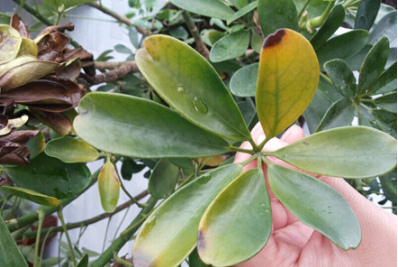
What to Do When the Leaves of the Money Tree Turn Yellow: Pests and Diseases and Their Control
The money tree is a perennial evergreen herbaceous plant and a highly ornamental foliage plant. Let's learn more about the money tree. What to do when the leaves of the money tree turn yellow? The money tree is a perennial evergreen herbaceous plant and a highly ornamental foliage plant. So what should you do if the leaves of the money tree turn yellow?
-
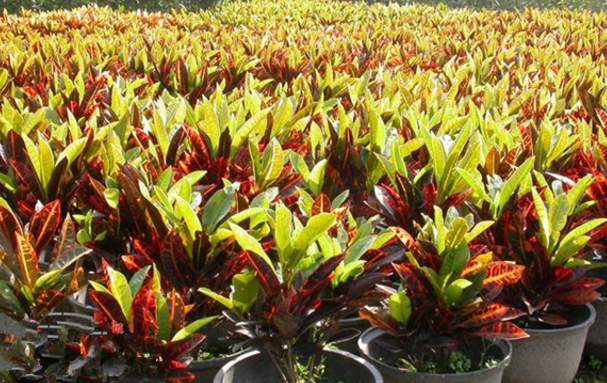
How to Grow Croton and Prevention and Control of Common Pests and Diseases
Croton is a small tree species and a common foliage plant in parks and courtyards in subtropical regions. You may have seen this plant in a park before, but simply did not know its name. How to grow croton: Croton is a small tree species
-
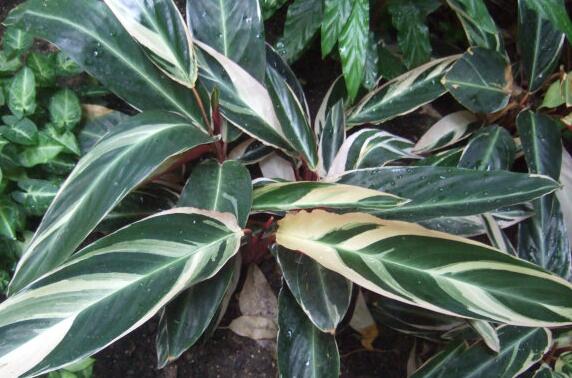
Common Pests and Diseases of the Red-Backed Calathea and Their Control Methods
The red-backed calathea (Stromanthe sanguinea) is highly resistant and seldom troubled by pests and diseases, but problems can still occur when management is poor during cultivation. Common pests mainly include scale insects and red spider mites; common diseases mainly include southern blight and leaf spot.
-
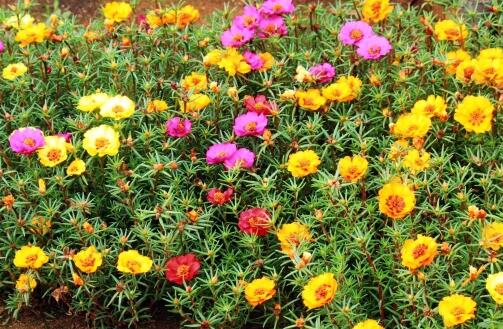
What are the common pests and diseases of Scutellaria barbata? Detailed explanation of control methods
The common disease of Scutellaria barbata is the harm of damping-off, which will greatly affect the growth of Scutellaria barbata, cause relatively great harm to us, and cause losses to us. Below, the editor will introduce to you the symptoms and control methods of the pests and diseases of Scutellaria barbata
-

A Detailed Guide to Common Pests and Diseases of Panax japonicus and Their Control Methods
Common Pests and Diseases of Panax japonicus and Their Control
条件筛选