How to Grow Croton and Prevention and Control of Common Pests and Diseases
Croton is a small tree species and a common foliage plant in parks and courtyards in subtropical regions. You may have seen this plant in a park before, but simply did not know its name.
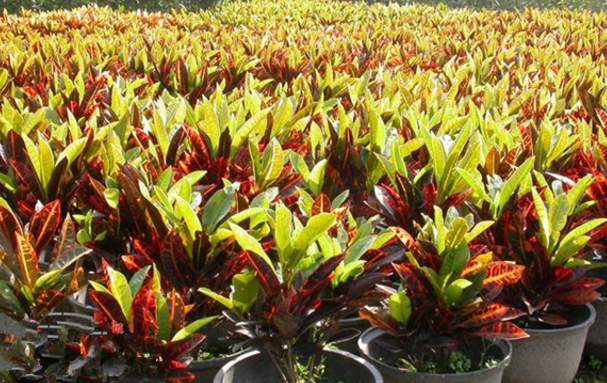
How to Grow Croton
Croton is a small tree species and a common foliage plant in parks and courtyards in subtropical regions, so how do you grow croton?
Croton Growing Methods:
Croton is a tropical plant that prefers high temperatures and a humid environment, and its growth requires ample sunlight, so growing croton requires certain methods.
1. Selection of Growing Soil
The soil required for croton growth should be fertile and have good moisture-retaining ability. When potting, either culture soil or leaf mold can be used, so that croton will absorb nutrients from the soil, which helps its growth.
2. Growing Temperature and Humidity
Croton is a plant that prefers high temperatures and humidity. When growing croton, the temperature must be kept appropriate. Generally in spring and summer, the temperature should be maintained between 20°C and 30°C, and in winter the temperature should not be lower than 15°C, otherwise the leaves of croton will turn yellow and suffer cold damage, and in severe cases the leaves will drop off.
Croton prefers humidity and fears drought, so it should be given sufficient water, and water should also be frequently sprayed on the leaf surface to keep it glossy and bright. Note that in winter, watering should be reduced, and the growing soil can be kept half-dry and half-moist or kept dry.
3. Growing Light
Croton prefers sunlight, so its growth also requires ample sunlight. Ensuring sufficient light will make the leaves grow luxuriantly and the colors bright and vivid. Lack of light will cause the leaves to turn yellow, become dull, and even drop off.
Precautions for Growing Croton:
1. Pay attention to the watering process when growing croton
During the growing period of croton, because the leaves grow rapidly, they need more water, so water thoroughly. In winter, be careful to reduce the frequency and amount of watering.
2. Pay attention to fertilizing
During the growing period, croton should be fertilized once a month, and fertilization should stop in winter.
3. Pay attention to pruning
Croton should be pruned during the winter dormancy period. The parts to be pruned are those with pests or diseases, dead and dry areas, or places where the branches are too dense. Cutting away these parts ensures the healthy growth of the entire plant.
Prevention and Control of Common Pests and Diseases
Common Diseases of Croton:
1. Black Mold Disease
Black mold disease is also known as sooty mold and soot disease. It mainly harms the leaves of the plant. Imagine how disappointing it would be if the beautiful leaves of your treasured croton at home no longer had their deep green or golden yellow, but were instead covered with a layer of black mold.
2. Anthracnose
Anthracnose is a type of disease that frequently occurs in garden plants. It mainly harms the leaves of plants, and sometimes also harms the stems and young branches. In severe cases, it may cause more than half of the leaves to wither and turn black, and even cause the plant to die.
Common Pests of Croton:
1. Red Spider Mite
The red spider mite harms plants by piercing its mouthparts into the leaves and sucking the sap, which damages the chlorophyll, causing the leaves to show grayish-yellow spots or patches. The leaves turn orange-yellow and drop off, and may even fall off completely.
2. Scale Insects
Scale insects often gather in clusters on branches and leaves, feeding on plant sap. In severe cases, they can cause branches to wither or the entire plant to die. In addition, the secretions of scale insects can also induce sooty mold.
Methods for Preventing and Controlling Croton Pests and Diseases:
1. Disease Prevention and Control
Usually, ventilation and light transmission should be maintained.
In the early stage of disease onset, diseased leaves should be pruned away and the surrounding environment cleaned up promptly to prevent spread. When disease appears, a 600-fold dilution of 50% carbendazim wettable powder can be sprayed.
2. Pest Prevention and Control
Usually, more attention should be paid to observation. If abnormal leaf color is found, attention should be paid, the affected leaves removed, and pesticide sprayed promptly.
For red spider mites and aphids, a 1000-fold dilution of dimethoate can be sprayed; for scale insects, a 100-150 fold dilution of petroleum emulsion can be sprayed.
Prevention and Control of Common Pests and Diseases of Croton
Common Diseases of Croton
Black Mold Disease
Black mold disease is also known as sooty mold and soot disease. It mainly harms the leaves of the plant. Imagine how disappointing it would be if the beautiful leaves of your treasured croton at home no longer had their deep green or golden yellow, but were instead covered with a layer of black mold.
Anthracnose
Anthracnose is a type of disease that frequently occurs in garden plants. It mainly harms the leaves of plants, and sometimes also harms the stems and young branches. In severe cases, it may cause more than half of the leaves to wither and turn black, and even cause the plant to die.
Common Pests of Croton
Red Spider Mite
The red spider mite harms plants by piercing its mouthparts into the leaves and sucking the sap, which damages the chlorophyll, causing the leaves to show grayish-yellow spots or patches. The leaves turn orange-yellow and drop off, and may even fall off completely.
Scale Insects
Scale insects often gather in clusters on branches and leaves, feeding on plant sap. In severe cases, they can cause branches to wither or the entire plant to die. In addition, the secretions of scale insects can also induce sooty mold.
Methods for Preventing and Controlling Croton Pests and Diseases
Disease Prevention and Control
Usually, ventilation and light transmission should be maintained.
In the early stage of disease onset, diseased leaves should be pruned away and the surrounding environment cleaned up promptly to prevent spread. When disease appears, a 600-fold dilution of 50% carbendazim wettable powder can be sprayed.
Pest Prevention and Control
Usually, more attention should be paid to observation. If abnormal leaf color is found, attention should be paid, the affected leaves removed, and pesticide sprayed promptly.
For red spider mites and aphids, a 1000-fold dilution of dimethoate can be sprayed; for scale insects, a 100-150 fold dilution of petroleum emulsion can be sprayed.
How to Grow Croton
Croton Growing Methods
Croton is a tropical plant that prefers high temperatures and a humid environment, and its growth requires ample sunlight, so growing croton requires certain methods.
Selection of Growing Soil
The soil required for croton growth should be fertile and have good moisture-retaining ability. When potting, either culture soil or leaf mold can be used, so that croton will absorb nutrients from the soil, which helps its growth.
Growing Temperature and Humidity
Croton is a plant that prefers high temperatures and humidity. When growing croton, the temperature must be kept appropriate. Generally in spring and summer, the temperature should be maintained between 20°C and 30°C, and in winter the temperature should not be lower than 15°C, otherwise the leaves of croton will turn yellow and suffer cold damage, and in severe cases the leaves will drop off.
Croton prefers humidity and fears drought, so it should be given sufficient water, and water should also be frequently sprayed on the leaf surface to keep it glossy and bright. Note that in winter, watering should be reduced, and the growing soil can be kept half-dry and half-moist or kept dry.
Growing Light
Croton prefers sunlight, so its growth also requires ample sunlight. Ensuring sufficient light will make the leaves grow luxuriantly and the colors bright and vivid. Lack of light will cause the leaves to turn yellow, become dull, and even drop off.
Precautions for Growing Croton
Pay attention to the watering process when growing croton
During the growing period of croton, because the leaves grow rapidly, they need more water, so water thoroughly. In winter, be careful to reduce the frequency and amount of watering.
Pay attention to fertilizing
During the growing period, croton should be fertilized once a month, and fertilization should stop in winter.
Pay attention to pruning
Croton should be pruned during the winter dormancy period. The parts to be pruned are those with pests or diseases, dead and dry areas, or places where the branches are too dense. Cutting away these parts ensures the healthy growth of the entire plant.
Pay attention to pest and disease control
The most common pests and diseases of croton are black mold disease and anthracnose. Note that when croton suffers from these two diseases, the leaves will turn yellow with spots and gray mold, and the growth will be weak and listless. At this time, control measures should be taken promptly, and a 600-fold dilution of 50% carbendazim wettable powder can be sprayed.
Note that to reduce the incidence of disease, attention should be paid to ventilation and air exchange to ensure that croton can breathe fresh air. If ventilation is poor, croton will suffer from scale insect and red spider mite infestations, and at this time a 1000-fold dilution of 40% omethoate emulsifiable concentrate should be sprayed to kill them.