-
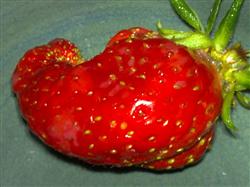
How to scientifically prevent and control strawberry pests and diseases? A full analysis of methods and techniques
Under normal growth management of greenhouse-cultivated strawberries, deformed fruit accounts for 10%-20%. However, when varieties are improperly selected or the ecological environment does not meet the growth needs of strawberries, the proportion of deformed fruit often increases, sometimes reaching as high as about 50%, resulting in reduced yield and low returns. Common deformed fruits include crooked and flat fruit, plump fruit, aggregate fruit, protruding...
-

How to prevent and control jujube tree rust disease? Mastering integrated control techniques is key
Jujube rust disease, also known as jujube mist, often causes massive leaf drop during the fruit expansion stage. Diseased trees produce shriveled jujube fruits with reduced sugar content in the flesh, most of which are inedible. Due to the damage caused by rust disease, serious yield reductions occur, variety quality deteriorates, and farmers' economic income is directly affected. Severely diseased trees that drop leaves early will sprout a second time, affecting the...
-
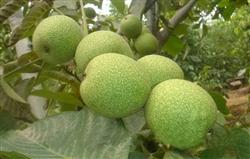
A Detailed Guide to Identifying and Controlling Walnut Tree Diseases
Pruning walnut trees while the branches are dormant causes wounds on the branches that bleed sap, leading to a serious loss of nutrients from the tree, weakened vigor, and dieback of branches. To prevent sap bleeding caused by pruning walnut trees, you should know the right pruning period and prune at the proper time. In spring, after the branches and leaves of the walnut tree have sprouted and the leaves have unfurled, this...
-
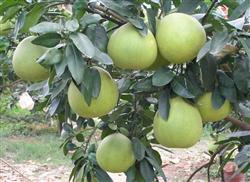
Detailed Explanation of Key Points of Integrated Pest and Disease Control Techniques for Shatian Pomelo
It is understood that since the 1980s, large-scale Shatian pomelo planting bases have been established successively across Meizhou, with economic benefits continuously increasing. Through many years of practice in growing Shatian pomelo, many farmers have greatly improved their cultivation techniques, but due to the large area and wide variety of pests and diseases, newly emerging pest and disease species...
-
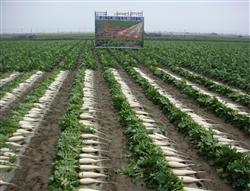
What are the main diseases of radishes? Detailed explanation of control methods
Radish is an annual or biennial herbaceous plant of the genus Raphanus in the Brassicaceae family, and is one of the main vegetables in the root vegetable category. Radish has a large uptake of nitrogen, phosphorus and potassium, and is a high-yielding crop with high fertilizer requirements. For every 4000 kg of radishes produced, approximately 8.5 kg of nitrogen, 3.3 kg of phosphorus pentoxide, and 11.3 kg of potassium oxide need to be absorbed from the soil...
-
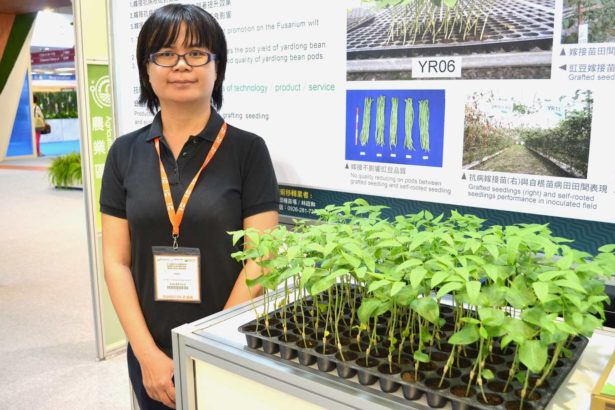
Farewell to cowpea Fusarium wilt! Kaohsiung DAIS launches disease-resistant grafted seedlings, reducing pesticide use
Goodbye Fusarium wilt - no more "dying just as the money comes in" for cowpea! Kaohsiung DAIS promotes disease-resistant grafted seedlings, resistant to disease and requiring fewer pesticides
-
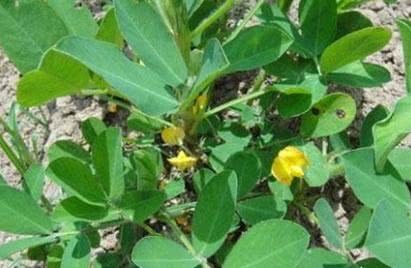
Peanut bacterial wilt is a soil-borne disease and a major cause of peanut yield reduction.
Peanut bacterial wilt is a common disease in peanut cultivation. Once it strikes, it causes peanut plants to wither and die rapidly, and the incidence rate is high, with up to 50% of plants infected by the pathogen, making it a major factor in peanut yield reduction. For the...
-
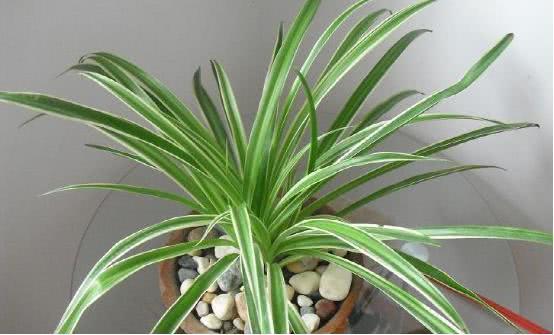
How to prevent and control pests and diseases in spider plants? A few practical tips for you
Depending on where spider plants are grown, the pest and disease problems they face will differ. What exactly are the differences? That is something you will need to explore in detail. Well, enough rambling, let's get straight into today's topic, or you'll be getting impatient waiting...
-
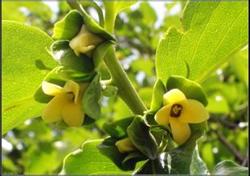
Persimmon Tree Disease Prevention and Control Methods and Key Technical Points
Fertilizer and water management during the flowering period in an ecological persimmon orchard is an indispensable specific measure. Its purpose is to push the persimmon tree's growth rhythm to a peak. By emphasizing nutrient supply, it achieves the best effect in preserving flowers and fruit. In this way, all inappropriate means and measures in the management of the persimmon orchard during the flowering period are eliminated. It not only effectively...
-
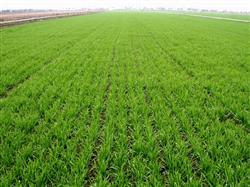
Wheat Pest and Disease Control Methods and Key Technical Points
Spider Mites in Wheat [Distribution and Damage] There are mainly two species of spider mites in wheat, the winter grain mite [Penthaleus major (Duges)] and the brown wheat mite [Petrobia latens (Muller)]. The former belongs to the family Penthaleidae, order Acariformes, class Arachnida; the latter belongs to the family Tetranychidae. Both are distributed in wheat-growing regions across the country. In the north, the brown wheat mite predominates, while in the south...
条件筛选