-
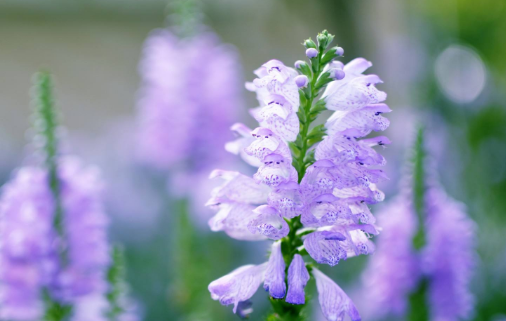
Common pests and diseases of obedient plant and their control methods
The downside of the obedient plant is that it is prone to rot disease, leaf spot disease and rust disease - you could say its strength lies in its stems and roots, and so does its weakness. Once any of the above problems is discovered, the plant should be promptly pulled up and burned to prevent contagion. Other minor problems can be handled with 65% zineb wettable powder. After reading this article
-

What are the control methods for diseases and pests of Platycodon grandiflorus?
Control methods for diseases and pests of Platycodon grandiflorus
-
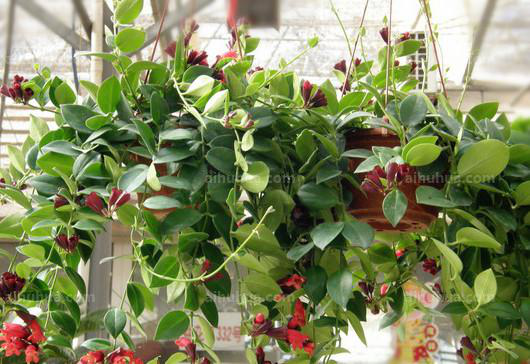
What are the methods for preventing and controlling pests and diseases in the lipstick plant?
1. Diseases. The lipstick plant is a robust plant and relatively rarely suffers from pests and diseases. However, in summer, when the weather is hot and stuffy, if the temperature is not lowered in time, the lipstick plant can develop anthracnose. The main sign is that many small spots appear on the leaves, and then the spots expand into yellow-brown round patches. In severe stages of the disease, large areas of leaves turn black, wither and die
-
A Detailed Guide to Rosemary Pest and Disease Control
1. Diseases. The common diseases of rosemary are root rot, gray mold, etc. Control methods: Rosemary diseases occur mainly because the air environment is too humid. Once disease is found, move the plant outdoors promptly to a ventilated, cool place. 2. Pests. The main pests of rosemary are red spider mites and whiteflies
-
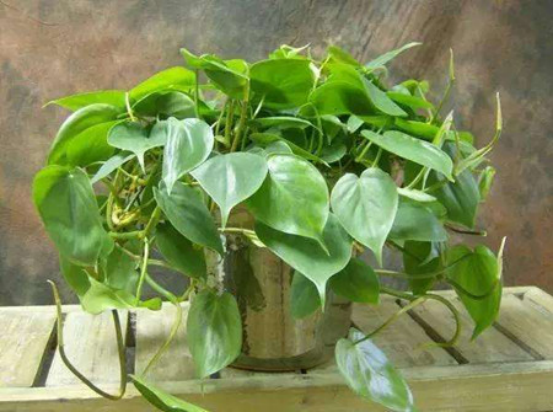
A detailed guide to heartleaf philodendron care: master the techniques with ease
1. Fertilizer supplementation: During the growing season, heartleaf philodendron needs water-soluble fertilizer applied as a top dressing, which helps its early growth; fertilize once or twice a month. In autumn and winter it is the opposite: stop fertilizing, because heartleaf philodendron almost stops growing in autumn and winter.
-
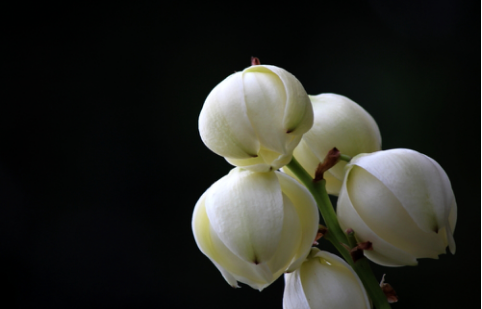
What are the common pest and disease control methods for yucca?
Yucca has relatively few pests and diseases, but control measures should still be taken. Its common pests are scale insects, whiteflies and bagworms, which can be controlled with the appropriate pesticides. Common diseases are brown spot and leaf spot, which can be controlled by spraying with the appropriate powder formulations.
-
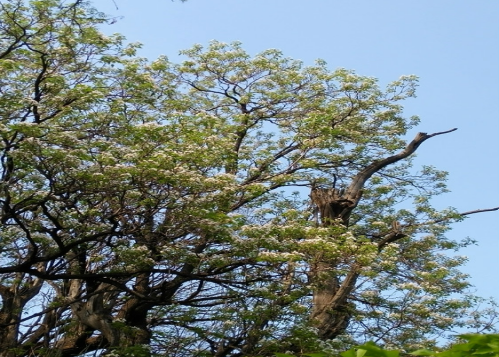
Methods and Technical Key Points for Pest and Disease Control in Catalpa (Catalpa bungei)
Anthracnose Disease Control When catalpa is infected with anthracnose, its leaves and young shoots suffer greatly, and the disease is especially likely to occur under high temperature and high humidity and poor ventilation. If infected, catalpa leaves wilt and then drop. Therefore, for anthracnose, during prevention keep the environment well ventilated and well lit, and maintain a good supply of water and fertilizer.
-
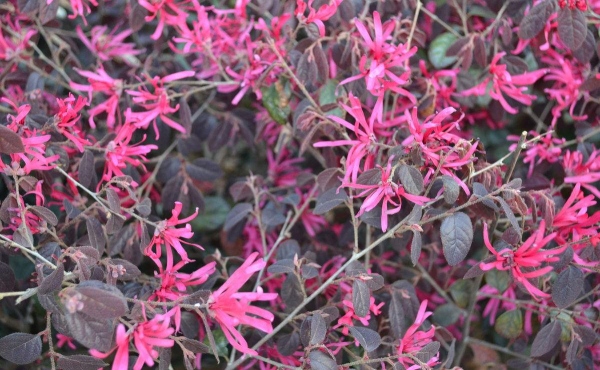
What to Do When Red Flower Loropetalum Encounters Pests and Diseases? Detailed Explanation of Prevention and Control Methods
The common diseases of Red Flower Loropetalum are mainly three kinds, namely: anthracnose, damping-off, and mosaic disease. Anthracnose: The main symptom of Red Flower Loropetalum suffering from anthracnose is the appearance of black spots on the leaves. The pathogen of anthracnose is caused by Actinomyces, and the pathogen overwinters on diseased leaves, thereby causing disease in the following year
-

Detailed Explanation of Common Pest and Disease Control Methods for Zucchini
Common Pest and Disease Control for Zucchini
-
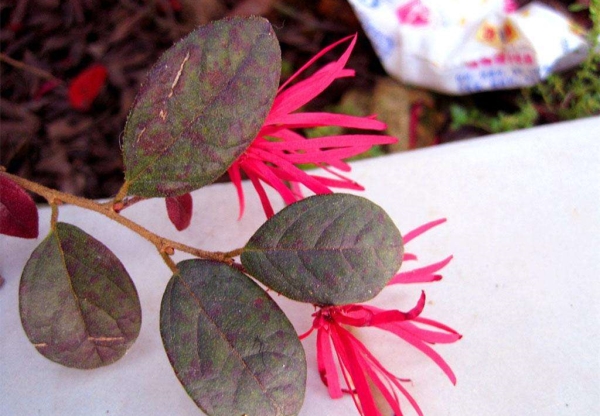
A Detailed Guide to Controlling Diseases of the Chinese Fringe Flower (Loropetalum chinense var. rubrum)
For anthracnose, if diseased leaves are found on the Chinese fringe flower, we should deal with them immediately, destroy the diseased leaves to prevent infection, improve drainage conditions, create a good ventilation environment, and carry out chemical treatment. For damping-off, we should replace the soil of the Chinese fringe flower and replant it in new soil.
条件筛选