-

The Diagnostic Role of Chicken Liver Lesions in Poultry Disease Diagnosis
The liver is soft and brittle in texture, and because it has a rich blood supply, it appears brownish-red. It is the largest gland in the chicken's body and also the largest detoxification organ. It plays a very important role in bile production, blood coagulation, immunity, heat production, and the regulation of water and electrolytes in the body. At the same time, the liver is also a very important barrier structure, so it is susceptible to damage from various pathogenic factors. Different pathogenic factors cause different liver lesions, and therefore different liver lesions have specific diagnostic significance. The types of liver lesions
-
You can tell what disease a chicken has just by looking at its droppings
Chicken droppings are the end product of digestion in chickens, and many diseases produce characteristic changes in the color and shape of the droppings. Observing changes in chicken droppings is one of the methods for diagnosing disease. If keepers can recognize the abnormal reactions of chicken droppings, they can promptly spot abnormalities in the flock and take measures as early as possible to prevent and treat disease. Veterinarians can also infer the type of disease from changes in chicken droppings, providing a basis for disease diagnosis. Normal chicken droppings are strip-shaped or form a pile when they land, contain a small amount of moisture, have normal white urates at the upper end, and show normal color and shape at the lower end, with scattered dark brown oily cecal droppings mixed in
-
How to prevent and treat Newcastle disease in chickens? These methods you need to master
Newcastle disease in chickens, also called Asian fowl pest, commonly known as fowl plague, is a highly contagious, acute, and virulent infectious disease of chickens caused by Newcastle disease virus. It often presents as septicemia, with the main features being difficulty breathing, diarrhea, nervous system disorders, and hemorrhage of mucous membranes and serous membranes. I. Epidemiological characteristics: chickens of all breeds and ages can be infected, with young chickens and growing chickens being more susceptible, and older chickens over two years of age having reduced susceptibility. The main sources of infection for this disease are sick chickens and virus-carrying chickens; their secretions, feces, as well as contaminated feed, drinking water, non-susceptible wild birds, external parasites, humans and livestock can all transmit the pathogen. The main routes of transmission are the digestive tract and respiratory tract, and it can also invade the body through damaged skin and mucous membranes. It can occur in all four seasons. In non-immune areas or in flocks with low immunity, once a velogenic strain invades, it can spread rapidly, causing a devastating epidemic, with morbidity and mortality reaching over 90%. At present, in large and medium-sized @#@230@#@ farms, where flocks have a certain level of immunity, Newcastle disease mainly appears in an atypical form, which should be given attention.
-
Effective proven remedies for treating respiratory diseases in pigs
I. Proven remedies for treating pig colds: 1. Intramuscular injection of 30% analgin or 10% aminopyrine 5-10ml, while orally administering aspirin 2-5g, and feeding plenty of warm, clean drinking water; intramuscular injection of antibiotics to prevent infection. 2. An appropriate amount of Sichuan pepper, lightly fried and ground into powder. Make a small cut at the tip of the pig's tail, stuff the Sichuan pepper into the opening, and bandage the outside with cloth. 3. Radish 1kg cut into shreds, scallions 10 stalks, ginger 15g, decocted in water for oral administration; or use gypsum 15g decocted in water, strain off the residue, and after it cools add mung bean powder 100g and 2 egg whites, mix and administer by gavage.
-
Bovine eyeworm disease must be treated promptly during the high-temperature period in summer and autumn
Symptoms: In the early stage, there is conjunctival redness, congestion, swelling, inflammation, and tearing, with serous or purulent discharge. In the later stage, it gradually worsens and increases, the eyelids swell, and the cornea becomes cloudy or develops ulcers or perforation. Sick cattle have reduced appetite, elevated body temperature, restlessness, shake their heads and rub their eyes, and are photophobic. In severe cases, it can cause blindness in one or both eyes, and cows produce less milk. Prevention: Maintain good environmental sanitation in the cattle shed, ensure the pen is dry, remove filth and dispose of it properly, and do a good job of fly control. Feeding management should also be strengthened, nutrition increased, and the cattle's eyes protected from injury
-
Prevention and Treatment Methods and Key Technical Points for Several New Pig Diseases
I. Post-weaning Multisystemic Wasting Syndrome in Pigs This disease is a new disease caused by porcine circovirus type II (PCV2), characterized mainly by rapid or difficult breathing, diarrhea, anemia, obvious lymphoid lesions and progressive emaciation in weaned piglets. The incidence of this disease is 5%-20%, sometimes as high as 100%, and the mortality rate is 100%. It severely affects pig growth and development, has caused huge economic losses, and has evolved into a worldwide disease that has attracted widespread attention from countries around the world. The disease mostly occurs at 6 weeks
-
How to observe sick pigs? Master these methods to detect pig diseases early
Check the demeanor. Healthy pigs are spirited, with tails raised and swinging freely; sick pigs are listless, move slowly, prefer to lie still, and have drooping tails. Check the appetite. Healthy pigs have a strong appetite; sick pigs show a sudden loss of appetite, abnormal eating habits, or even stop eating. If a pig's appetite decreases and it drinks a lot of water, it is mostly a febrile disease. Check nasal discharge. Healthy pigs have no nasal discharge; if a pig has clear nasal discharge, it is mostly a wind-cold cold, thick and sticky nasal discharge indicates heat in the lungs, and nasal discharge containing foam indicates diseases such as pulmonary edema or chronic bronchitis. Check the feces. Heal
-
How to prevent common pig diseases in winter? These methods you need to know
Before winter arrives, do a good job of immunizing the breeding herd: such as foot-and-mouth disease, epidemic diarrhea, transmissible gastroenteritis, swine fever, pseudorabies, blue ear disease and other preventive vaccinations, and do a good job of deworming. Sow immunization: before farrowing, the injections of transmissible gastroenteritis and epidemic diarrhea bivalent vaccine, pseudorabies and other vaccines should be done according to plan, so that sows are at a relatively high immune level. Piglet immunization: there is considerable controversy over blue ear disease immunization; it is recommended to use blue ear disease attenuated vaccine at 15 days of age. Drug prevention
-
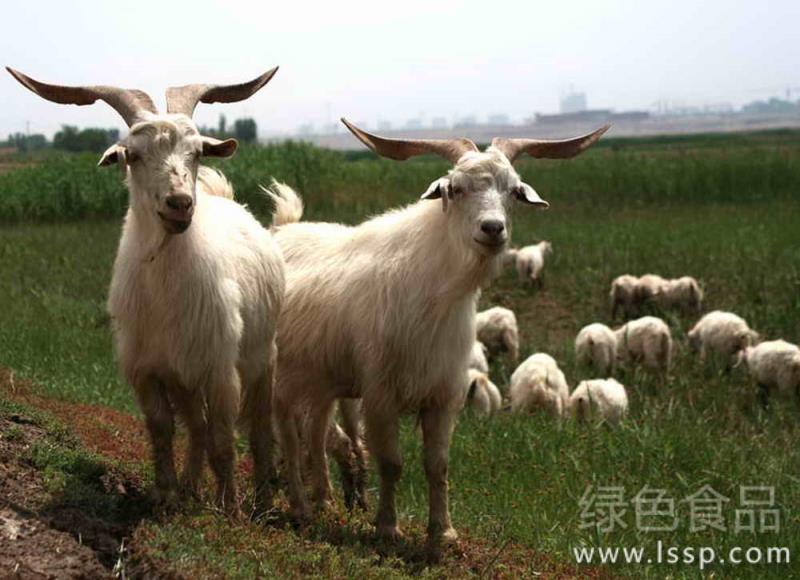
Sheep foot-and-mouth disease has a high mortality rate; how can it be prevented and controlled scientifically?
Sheep foot-and-mouth disease has a high mortality rate; how to prevent and control foot-and-mouth disease in sheep
-
How should lactating does be managed to increase milk production?
Lactating does need increased milk production: how to manage lactating does well
条件筛选