-

Symptoms and Control Methods of Oyster Mushroom Brown Blotch Disease
Mushroom brown blotch disease is also known as dry blister disease, Verticillium mold, and so on. In some areas the disease occurs rather severely, and yields suffer great losses. Damage symptoms: when mushroom buds are affected, their growth and development are poor, so that the stipes and buds cannot form and become shriveled white small mushroom masses. When fruiting bodies are affected, many pinhead-sized brown spots appear on the caps, and later the spots enlarge and become sunken, grayish-white in the center; when moist, white moldy growth, namely conidiophores and conidia, forms on the lesions. When the stipe is affected, the stipe base becomes thicker and brown, the outer tissue peels and splits, and after growing up the stipe base becomes crooked and deformed.
-
Control Methods for Major Diseases of Tea Plant Young Shoots and Stems
To effectively control tea plant pests and diseases, reduce pesticide residues in tea, and improve tea quality, the major diseases of tea plants and their control are described below. I. Damage Symptoms 1. Tea bud blight: After the tea plant is infected, the growth of buds and shoots is obviously inhibited, affecting the yield and quality of spring tea. It mainly damages the first 1 to 3 leaves of the spring tea flush, first producing pale yellow or yellow-brown lesions at the leaf tip or leaf margin, which after expansion become irregular in shape, with the boundary between diseased and healthy tissue distinct or indistinct; the bud tip is damaged and becomes dark brown and scorched, shriveled and unable to extend; later
-
What are the control methods for several tea plant diseases?
I. Tea leaf blight (tea gray blight) Tea gray blight is a common and serious leaf disease of tea plants. The disease is widely distributed throughout tea-growing areas. Affected plants often grow poorly, with weak new growth, thin and weak buds, and premature aging, seriously affecting yield. Control methods for this disease: 1. Strengthen management and cultivate healthy tea plants. Use pesticides rationally to avoid phytotoxicity; carry out timely intertillage and weeding to loosen the soil; do a good job of tea garden drainage or drought and cold resistance work, create an environment favorable to tea plant growth, promote tea plant vigor, and improve resistance.
-
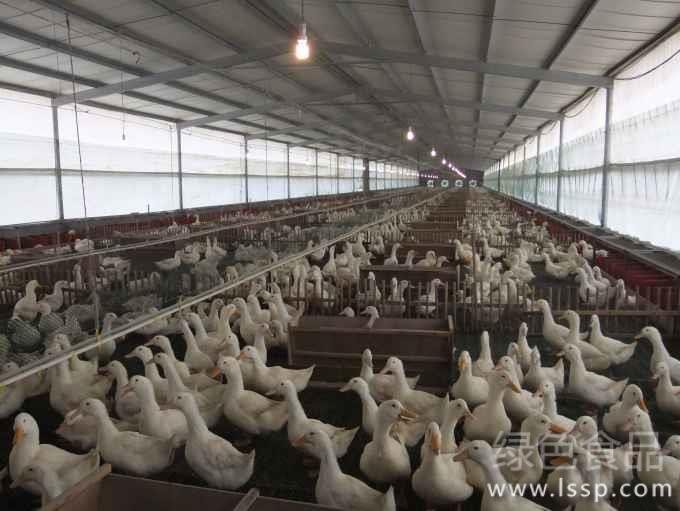
Raising Ducks on Greenhouse Frames: Fewer Diseases, Higher Profits, and a Detailed Guide to the Farming Method
Raising Ducks on Frames in Greenhouses: Fewer Diseases, Higher Profits - How to Raise Ducks on Greenhouse Frames
-
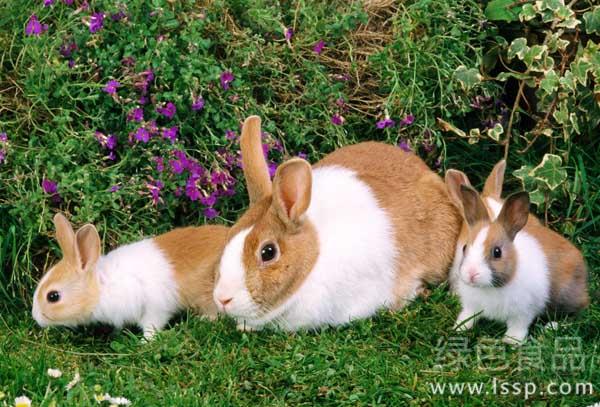
How should lactating does be managed to increase milk production?
Lactating does need increased milk production: how to manage lactating does well
-
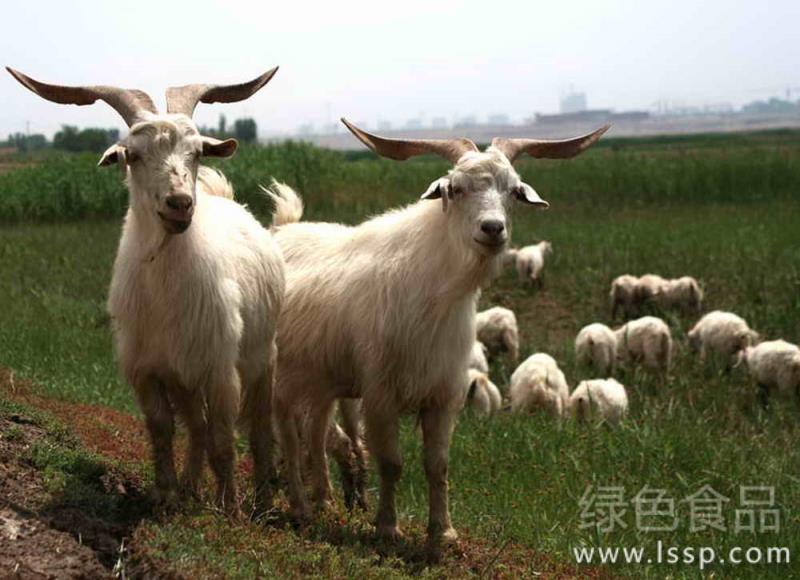
Sheep foot-and-mouth disease has a high mortality rate; how can it be prevented and controlled scientifically?
Sheep foot-and-mouth disease has a high mortality rate; how to prevent and control foot-and-mouth disease in sheep
-
How to prevent common pig diseases in winter? These methods you need to know
Before winter arrives, do a good job of immunizing the breeding herd: such as foot-and-mouth disease, epidemic diarrhea, transmissible gastroenteritis, swine fever, pseudorabies, blue ear disease and other preventive vaccinations, and do a good job of deworming. Sow immunization: before farrowing, the injections of transmissible gastroenteritis and epidemic diarrhea bivalent vaccine, pseudorabies and other vaccines should be done according to plan, so that sows are at a relatively high immune level. Piglet immunization: there is considerable controversy over blue ear disease immunization; it is recommended to use blue ear disease attenuated vaccine at 15 days of age. Drug prevention
-
How to observe sick pigs? Master these methods to detect pig diseases early
Check the demeanor. Healthy pigs are spirited, with tails raised and swinging freely; sick pigs are listless, move slowly, prefer to lie still, and have drooping tails. Check the appetite. Healthy pigs have a strong appetite; sick pigs show a sudden loss of appetite, abnormal eating habits, or even stop eating. If a pig's appetite decreases and it drinks a lot of water, it is mostly a febrile disease. Check nasal discharge. Healthy pigs have no nasal discharge; if a pig has clear nasal discharge, it is mostly a wind-cold cold, thick and sticky nasal discharge indicates heat in the lungs, and nasal discharge containing foam indicates diseases such as pulmonary edema or chronic bronchitis. Check the feces. Heal
-
Prevention and Treatment Methods and Key Technical Points for Several New Pig Diseases
I. Post-weaning Multisystemic Wasting Syndrome in Pigs This disease is a new disease caused by porcine circovirus type II (PCV2), characterized mainly by rapid or difficult breathing, diarrhea, anemia, obvious lymphoid lesions and progressive emaciation in weaned piglets. The incidence of this disease is 5%-20%, sometimes as high as 100%, and the mortality rate is 100%. It severely affects pig growth and development, has caused huge economic losses, and has evolved into a worldwide disease that has attracted widespread attention from countries around the world. The disease mostly occurs at 6 weeks
-
Bovine eyeworm disease must be treated promptly during the high-temperature period in summer and autumn
Symptoms: In the early stage, there is conjunctival redness, congestion, swelling, inflammation, and tearing, with serous or purulent discharge. In the later stage, it gradually worsens and increases, the eyelids swell, and the cornea becomes cloudy or develops ulcers or perforation. Sick cattle have reduced appetite, elevated body temperature, restlessness, shake their heads and rub their eyes, and are photophobic. In severe cases, it can cause blindness in one or both eyes, and cows produce less milk. Prevention: Maintain good environmental sanitation in the cattle shed, ensure the pen is dry, remove filth and dispose of it properly, and do a good job of fly control. Feeding management should also be strengthened, nutrition increased, and the cattle's eyes protected from injury
条件筛选