-

How to prevent and control cotton seedling diseases? Detailed spring prevention and control methods
In recent years, due to low temperatures in spring, seedling diseases in direct-seeded cotton fields have occurred severely, causing large numbers of dead seedlings in cotton fields. In order to improve the economic benefits of cotton farmers and reduce the losses caused by diseases, the symptoms and prevention and control methods of several cotton seedling diseases are introduced as follows: 1. Symptoms of damaged cotton seedlings 1. Anthracnose: Both leaves and stems can be affected. After the seedlings are damaged, reddish-brown spindle-shaped streaks appear at the base of the stem, with longitudinal cracking. In severe cases, the lesions expand, turn brown, blacken, and rot, leading to seedling death. When the weather is humid, the lesions produce orange-red sticky substances.
-
How to prevent and control cotton seedling-stage diseases? Detailed prevention and control measures for Binzhou City
There are many types of cotton seedling-stage diseases, and the most serious ones at the cotton seedling stage in our city are damping-off, anthracnose and red rot. In recent years, the first two diseases in particular have been more severe than in previous years. Doing a good job in preventing and controlling cotton seedling-stage diseases is the key to whether our city's cotton can increase both yield and income. At present, the key to preventing and controlling cotton seedling-stage diseases is to implement the plant protection policy of "prevention first, integrated control." 1 Symptoms of cotton seedling-stage diseases 1.1 Damping-off The obvious symptom of field infection is the appearance of elongated
-
New high-yield and disease-resistant cotton variety Sumian 14
This variety has high yield. In the 1996-1997 provincial regional trial, the lint yield was 96.12 kg per mu, 5.36% higher than the control Simian 3, reaching an extremely significant level. In the 1997-1998 national regional trial, it yielded 11.6% more than Zhongmiansuo 12, and in 1998-1999 the high-yield plot reached 140-160 kg. It has strong disease resistance, is highly resistant to fusarium wilt with a disease index of 1.48, and resistant to verticillium wilt with a disease index of 11.54. It has excellent quality: 2.5% span length 29 mm, specific strength 23.6 g/tex, micronaire value 4.5
-
Technical Points for Spraying Foliar Fertilizer on Cotton to Increase the Boll Setting Rate
This year, the summer-ripening crops in Haimen City were delayed in maturity due to climate effects, and after the summer harvest there was a continuous drought until mid-July, when it rained heavily for several consecutive days. This weather pattern of drought followed by rain was very unfavorable for the survival and growth of the already delayed transplanted cotton, and the growth process was delayed by about 10 days compared with normal years. To increase the formation speed of flower buds in the late stage of cotton and improve the boll setting rate, it is recommended to strengthen fertilizer management in the late stage by means of foliar spraying. 1. Combine pest control with proper timing of fertilizer application. Not every pest control treatment requires
-
Symptom Identification and Control Methods for Cotton Brown Spot Disease
Symptoms The disease mainly affects leaves. When cotyledons are infected, pinpoint-sized purplish-red spots first appear, then expand into brown, purplish-edged, slightly raised round to irregular lesions; multiple lesions merge together to form large patches, with small black dots scattered in the center, which are the pathogen's pycnidia. The center of the lesion easily breaks off and falls out, forming holes, and in severe cases the leaves drop off. On true leaves, the lesions are round, yellowish-brown, with purplish-red edges. Pathogen Phyllosticta gossypina Ell. et Mart., called cotton Phyllosticta leaf spot
-
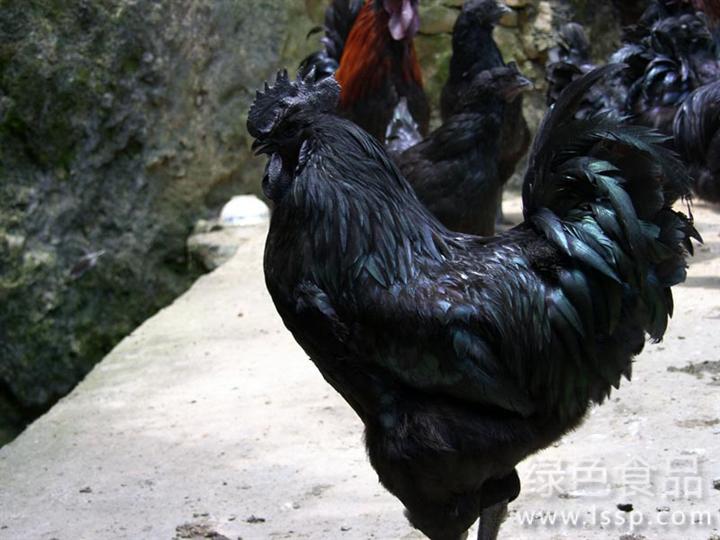
Silkie chickens have poor vitality and disease resistance; how can their survival rate be improved?
Silkie chickens have poor vitality and disease resistance; how can their survival rate be improved?
-
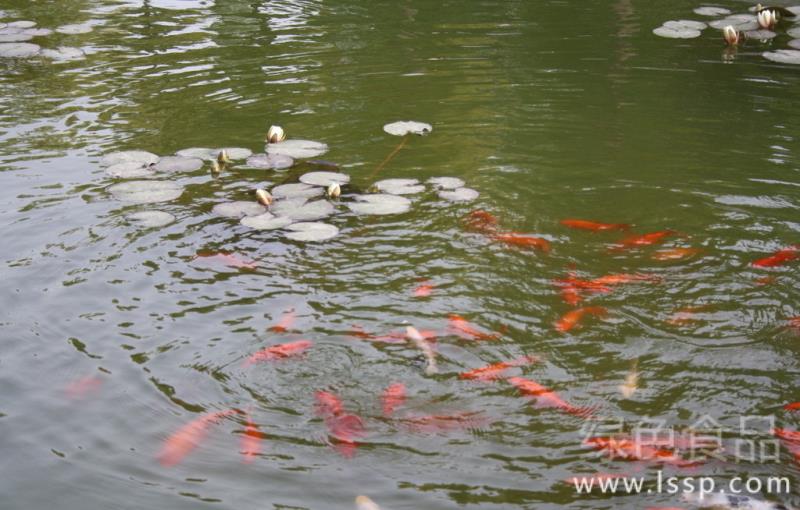
How to scientifically manage fish ponds when diseases break out frequently under high summer temperatures
How to manage fish ponds well in summer when diseases break out frequently under high temperatures
-
Symptoms and Prevention and Control Methods of Duck Viral Swollen Head Hemorrhagic Disease
Duck viral swollen head hemorrhagic disease is an acute septic infectious disease of ducks caused by duck viral swollen head hemorrhagic disease virus. Its clinical features include swelling of the duck's head, conjunctival hyperemia and hemorrhage, extensive hemorrhage of the whole body skin, enlarged liver that is earth-yellow in color and accompanied by hemorrhagic spots, body temperature above 43°C, and passage of thin grass-green feces. The incidence rate is 50%-100%, and the mortality rate is 40%-80% or even 100%. It is a new infectious disease that seriously harms the duck farming industry. 1 Epidemiological diagnosis of duck viral swollen head hemorrhagic disease Cheng Anchun et al. (2003
-
How do you identify sheep diseases? Remember these eight points to observe
With the adjustment of the structure of livestock breeds, Boer goat farming has become the first choice for farmers to get rich and reach a moderately prosperous life. Boer goats are an introduced breed, few in number and expensive. In addition to strengthening feeding management, the growth and activity of Boer goats should be observed frequently to ensure timely treatment in the early stage of illness and reduce losses. Generally, the following aspects are carefully observed and comprehensively judged to determine whether they are sick. 1. Look at the demeanor. Healthy Boer goats are full of energy, move agilely, and have bright eyes. Sick goats are sluggish, prefer to lie down, hang their heads, shed tears, and are afraid of light. 2. Look at feed
-
Symptoms and Prevention and Treatment Methods of Swine Lungworm Disease
Swine lungworm disease mostly occurs in low-lying, damp areas and during summer and autumn, showing endemic prevalence. It mainly harms piglets, affecting their growth and development and reducing meat quality. Severe infection can cause pneumonia and lead to death. Symptoms: When pigs have a mild infection, there are no symptoms or they are not obvious; with severe infection, the symptoms are pronounced. More than one month after infection, pigs show symptoms such as paroxysmal coughing, thick yellow mucus flowing from the nose, rapid breathing, pale conjunctiva, reduced appetite and weight loss. Some die of suffocation because the worms block the trachea.
条件筛选