-

Taiwan pomelo production is estimated to drop 10% this year, but the Agriculture and Food Agency says it is still 6% more than in an average year.
By Zhuang Xiaoping. Lead image courtesy of the Hualien District Agricultural Research and Extension Station (this season, not this year). In the warm winter at the start of this year, many fruit trees were affected by the climate and failed to flower, with lychee and longan trees losing up to 70% of their production. Recently, some pomelo farmers have also found that the fruit-setting rate of pomelos has been slightly affected. On the 6th, the Agriculture and Food Agency announced its June fruit production forecast, indicating that pomelo production may
-
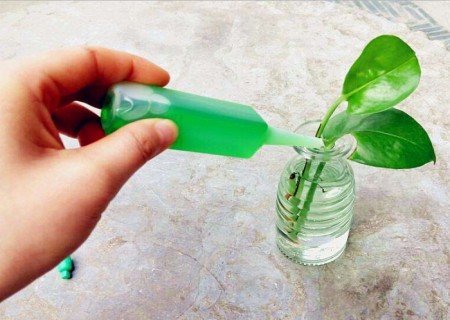
A Detailed Guide to Using Nutrient Solutions for Hydroponic Plants
Flowering plants need large amounts of nutrients for growth and blooming, so a nutrient solution must be added to the water to meet the needs of plant growth and flowering. Nutrient solutions can be purchased at specialist hydroponic flower shops, chosen according to the flower variety you intend to grow. When using it, however, you must strictly follow the dilution ratio on the instructions
-
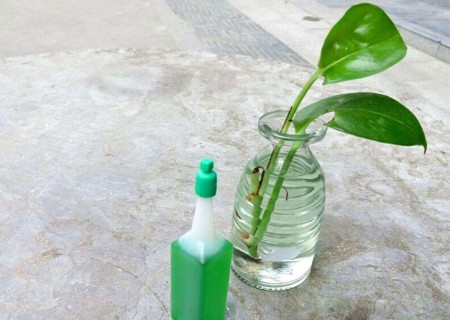
Homemade Hydroponic Plant Nutrient Solution (Formula and Preparation Method)
Hydroponic plants, as the name suggests, are plants grown in water. So how do you provide nutrients for flowers and plants grown in water? This has become quite a headache for many flower and vegetable growers. Maintaining fertilizer efficiency for hydroponic plants no longer requires ordinary fertilizer, but rather a type of attractive fertilizer.
-
How to prevent flower diseases and pests? Increasing oxygen is key for hydroponic flowers
Hydroponic flowers need oxygen enrichment
-
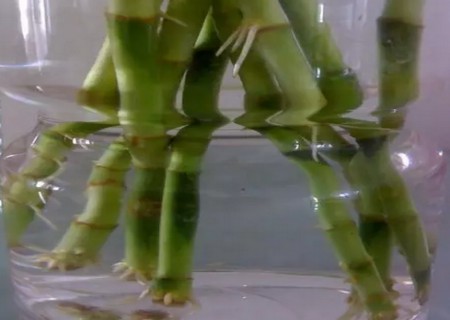
How to Make Your Own Nutrient Solution for Hydroponic Lucky Bamboo
Besides growing in soil, lucky bamboo can also be grown hydroponically, but modern households mostly use the hydroponic method for propagation. During hydroponic cultivation, the water level must be appropriate; do not add too much water to the container. Usually, submerging a little more than one third of the plant's length is sufficient; submerging up to two thirds of its length is not recommended. In addition
-
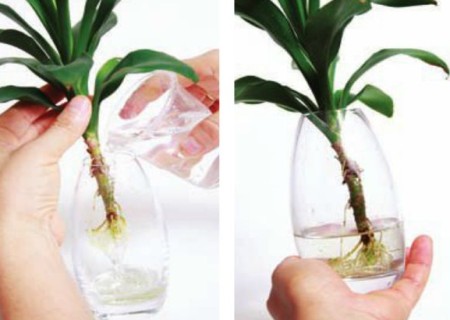
How to change the water for hydroponic plants? Detailed steps
In recent years, growing hydroponic plants at home has increasingly become a trend. Not only is managing hydroponic plants simpler and more convenient than soil culture, but it also keeps the space cleaner, and it can likewise achieve the effect of beautifying the home. So growing green plants hydroponically is increasingly favored by many families. But
-
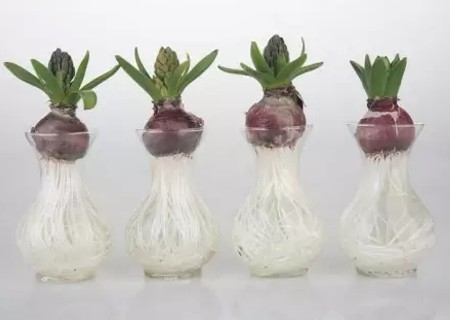
Detailed Guide to Hydroponic Hyacinth Methods and Steps
Generally, hydroponic plants are harder to grow than soil-grown ones, because a single misstep can lead to failure. Hydroponics is a complex and meticulous task that, to a certain extent, tests the patience of plant lovers. If you persevere, you will reap a harvest-like joy; if you fail to keep at it
-
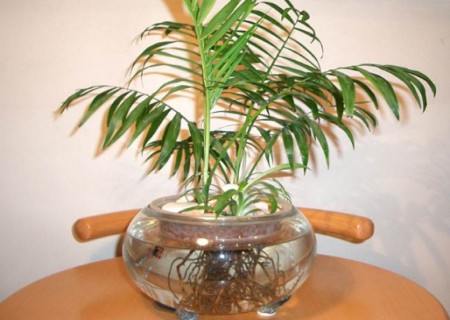
Detailed Guide to Hydroponic Methods and Care Tips for the Parlor Palm
Because of its attractive plant shape and ease of management, the parlor palm is often chosen by people as one of the top green plants for small and medium-sized indoor foliage potted plants. The parlor palm also has the effect of purifying harmful substances in the air such as benzene, trichloroethylene, and formaldehyde, and is called the "efficient air purifier" of the plant world, making it very suitable for growing indoors.
-
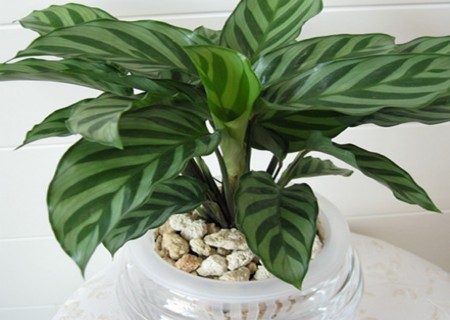
Can Calathea roseopicta be grown hydroponically? Here's how to do it correctly
Calathea roseopicta is a classic indoor foliage plant. Grown as a potted plant, it has an elegant form and unique charm, and it is highly sought after by plant enthusiasts. In the articles I previously shared, Calathea roseopicta was mostly presented as a soil-grown plant. So, can Calathea roseopicta be grown hydroponically? In fact, besides soil culture
-
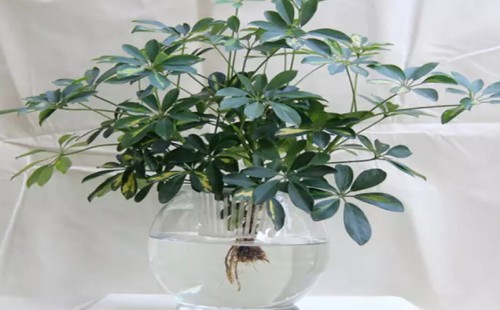
Detailed Guide to Hydroponic Schefflera Arboricola Propagation: Simple and Easy-to-Learn Methods
Schefflera arboricola can be grown not only in soil pots but also hydroponically, and as long as cultivation techniques are applied scientifically, it can also grow well and remain highly ornamental. Hydroponic cultivation of Schefflera arboricola can generally be done in two ways: water cuttings and converting soil-grown plants to water culture, but the most commonly used method is water cuttings from branches and water culture. Below
条件筛选