-

How to Break Garlic Dormancy? A Complete Guide to Methods and Tips
After the garlic bulbs are harvested, there is a physiological dormancy period of about two months. To sow early so that green garlic, garlic sprouts (blanched garlic shoots) and garlic scapes reach the market sooner, the dormancy of the seed garlic can be broken by the following three methods. 1. Low-temperature treatment method: From late July to early August, put the seed garlic into plastic woven bags, soak in cold water, and sow after 15-20 days under low-temperature conditions of 3-5°C; seedlings will emerge 3-7 days after sowing. 2. Moist garlic awakening method: 15-20 days before sowing, soak the seed garlic in cold water for 5-10 minutes, take it out and drain, then spread it flat on
-
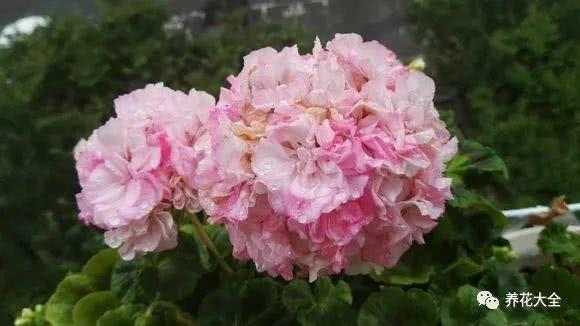
Care for Geraniums During Dormancy Like This to Get Through Summer Easily
As temperatures rise higher and higher, many gardeners' geraniums have begun to "pass away." The dog days of summer are about to arrive, and gardening friends keep urging Huahua to hurry up and explain how to help geraniums make it through this summer. Today, Huahua will tell everyone...
-
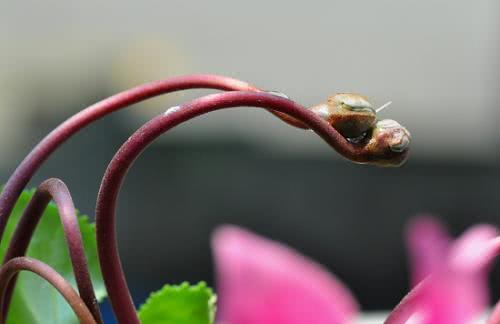
Cyclamen enters dormancy in summer; do these 5 steps and it will bloom again in May
The cyclamen plant is rather short, with flowers held above the leaves, looking just like a hydrangea and very beautiful, and it also carries the meaning of hospitality, making it very popular among flower lovers. The flowering period of cyclamen generally runs from December to March of the following year...
-

How to Keep Chives Safe Through Winter and Manage Them During Dormancy
Summary: How do chives safely overwinter in winter? How should chives be managed during dormancy? The weather is getting colder and colder now, and fewer and fewer vegetables can be planted, but the overwintering of some perennial vegetables still needs attention...
-
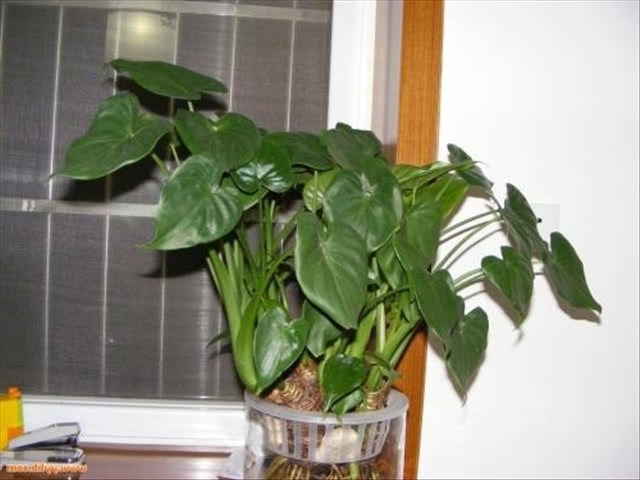
Alocasia macrorrhizos in winter: pay attention to these points to help it get through the dormancy period smoothly
Original title: Pay attention to these things for Alocasia macrorrhizos in winter, and let it get through the dormancy period smoothly! Summary: Have you kept an Alocasia macrorrhizos at home? If you are keeping an Alocasia macrorrhizos, now that autumn has arrived, are you worrying about...
-
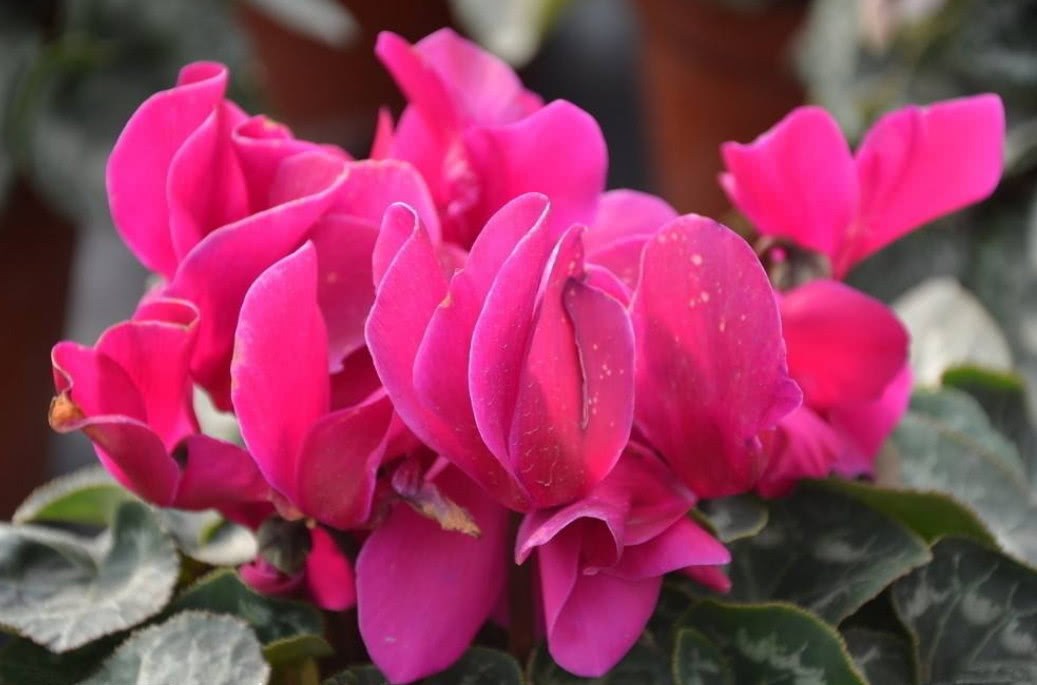
After its summer dormancy, Cyclamen wakes up in autumn. Do these few care steps well, and you will have flowers to enjoy in winter and spring.
For the winter- and spring-blooming plant Cyclamen, after a summer of dormancy, autumn care and management are especially important. Because the high summer temperatures are unsuitable, many growers' Cyclamen are not in very good shape, and some have even lost all their leaves, ...
-

Identifying and Managing Succulent Dormancy to Effectively Prevent Root Rot
Main text with images: Internet Succulents, in their places of origin, have developed a physiological habit of an annual fixed dormancy or semi-dormancy period in almost every variety to adapt to the environment. Because varieties differ, their dormancy periods are sometimes in summer, ...
-
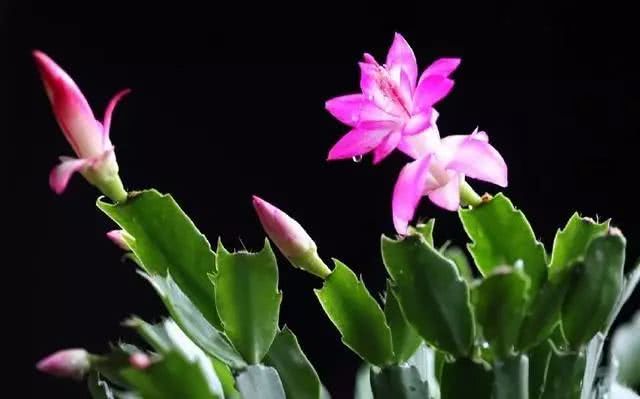
Watering Christmas cactus like this in summer keeps the leaves thick during dormancy and brings a burst of blooms in autumn
When the temperature goes above 30 degrees in summer, the Christmas cactus enters a dormant or semi-dormant state, so how should we care for it at this time to help it get safely through the summer? When the temperature is above 30 degrees, the Christmas cactus...
-
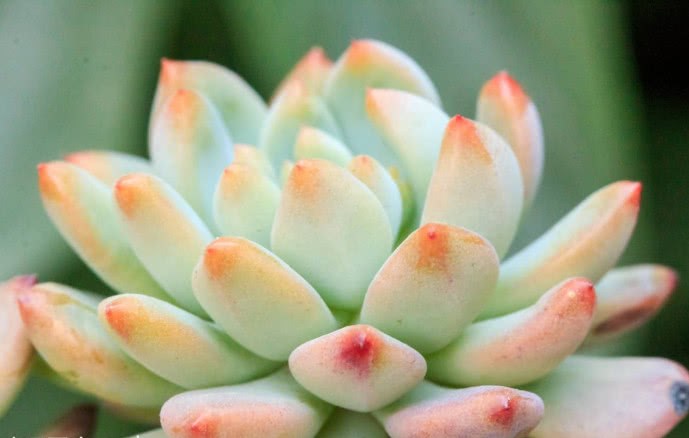
If you don't do this step during a succulent's dormant period, it will go into complete dormancy
Succulents all go dormant, some in winter, some in summer. The leaves of a succulent become dull and lusterless, all the leaves on the plant look the same, the whole plant changes color - these are all signs that it is about to go dormant. There are also cases of withering and leaf drop, and some...
-
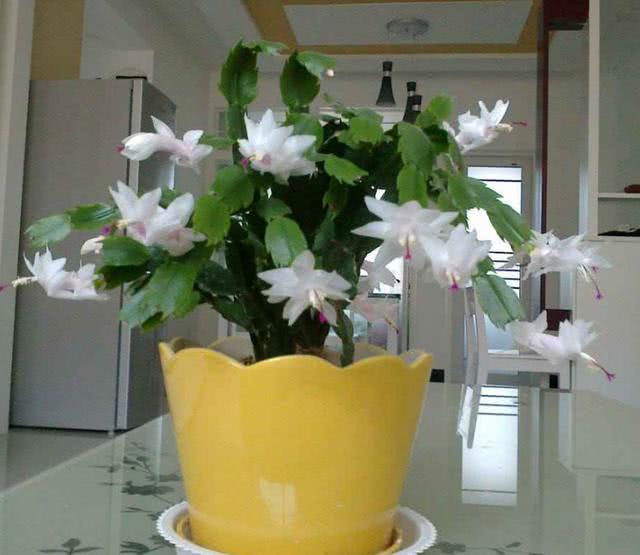
Proper fertilizer and water management before the summer dormancy period of the Christmas cactus (Schlumbergera) helps it get through the summer safely
Gardeners who often grow Christmas cactus know that it prefers a climate that is neither hot nor cold, and its most suitable growing temperature is 15°C~28°C. In the heat of midsummer, when the temperature exceeds 35°C, the Christmas cactus will stop growing and enter dormancy due to unsuitable temperature...
条件筛选