-

What disease does a chicken have if it passes white watery droppings?
Based on your description, it may be pullorum disease. Pullorum disease is an infectious disease caused by Salmonella pullorum. After newly hatched chicks are infected, they show listlessness, sensitivity to cold, drowsiness, refusal to eat, and difficulty breathing. The vent is often blocked by white pasty droppings, making defecation difficult. If not treated promptly, most die within 2 weeks. Chicks that recover become carrier birds. Adult chickens often have latent infection and generally show no clinical symptoms; in hens, only reduced egg laying or no egg laying is seen, the ova are shrunken, and the contents are greasy in appearance, with severe cases turning pale bluish or lead-black, and sometimes yolk peritonitis also occurs;
-
What kind of environmental conditions does oyster mushroom growth require?
The main factors affecting the growth and development of oyster mushrooms are nutrition, temperature, water, air, light, pH, etc. During artificial cultivation, the living conditions required at each growth and development stage must be met promptly throughout the entire process in order to obtain high-yield, high-quality oyster mushrooms. 1. Nutrition Carbon sources are an important nutrient source for oyster mushrooms; they are not only raw materials for synthesizing carbohydrates and amino acids, but also an important energy source. The nutrients needed by wild oyster mushrooms are mainly obtained by decomposing dead wood and dead grass. For artificial cultivation, rice straw, wheat straw, corn cobs, sugarcane bagasse, cottonseed
-
What harm does calcium deficiency do to dogs? Every dog owner must know this
If puppies do not get enough calcium, outward flaring of the ribs and deformation of the carpal and elbow joints of the forelimbs can occur; small breeds are prone to "O"-shaped legs, while medium and large breeds can develop severe deformation of the forelimbs. If it is not discovered in time and treated improperly, it can also cause permanent flat paws or lameness. In addition, 2 to 3 months of age is an important period for the formation of the intervertebral discs in puppies. If calcium is deficient at this time, some breeds prone to intervertebral disc disease (such as the Pekingese, Shih Tzu, Pug, Poodle, etc.) will have flare-ups in adulthood, causing lifelong suffering.
-
Prevent and control pear rust early, so the fruit does not grow warts
The disease that causes warts on pear fruit is called rust, also known as pear rust, pear red rust, or pear-apple-juniper rust. Before the pear trees shed their leaves, in September, the disease successively transfers as mycelium to alternate hosts on juniper (including Chinese juniper and dragon juniper) type trees. As long as juniper type trees are planted, pear orchards have the possibility of rust occurring every year. After leaves are infected, orange-yellow oil-droplet-like small spots appear on the surface, gradually developing into nearly round lesions 4-8 mm in diameter, with orange-yellow small granular spots appearing in the center, which later gradually turn black; the area around the lesion is reddish-brown, the upper leaf surface is sunken, and the back
-
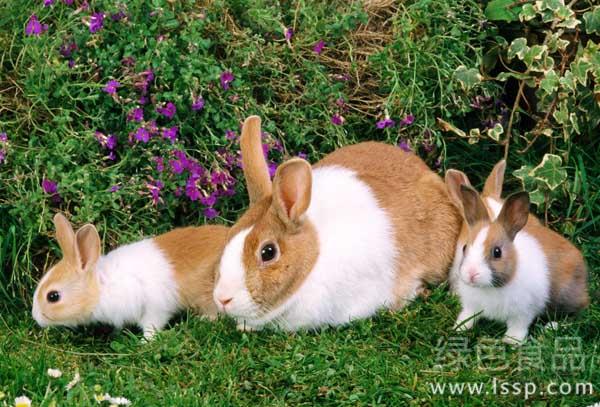
How should lactating does be managed to increase milk production?
Lactating does need increased milk production: how to manage lactating does well
-
What temperature requirements does Gastrodia elata have for cultivation?
Temperature is an important factor affecting the growth and development of Gastrodia elata, and besides the influence of seasons, temperature is also affected by latitude and altitude. Generally speaking, for every 10° increase in latitude, the average temperature drops by 0.5°C, and for every 1000 m increase in altitude, the climate drops by about 6.5°C. Therefore, wild Gastrodia elata mostly grows in mountainous areas and has an ecological preference for cool, humid conditions. During artificial cultivation, we found that: when the temperature of the planting layer rises above 10°C, the terminal buds of Gastrodia elata begin to sprout and start to grow; when the temperature rises above 20°C, it grows rapid
-
What kind of environmental conditions does Gastrodia elata need to grow?
I. The effect of temperature on the growth of Gastrodia elata. Temperature is the main factor affecting the growth of Gastrodia elata. Gastrodia elata prefers to grow in an environment that is relatively cool in summer and not too severely cold in winter. The longer the period of suitable temperature for its growth, the more favorable it is for the growth of Gastrodia elata. (1) The effect of temperature on the asexual reproduction of Gastrodia elata. The underground tubers of Gastrodia elata begin to grow when the ground temperature is around 14°C, grow faster at 20-25°C, and are inhibited at 30°C. Within one year, the total accumulated temperature over the entire growing season is about 3800°C. At an altitude of 1000
-
What temperature conditions does Gastrodia elata need to grow?
Q: What kind of temperature conditions does Gastrodia elata need to grow? What are the extreme temperatures? A: This question seems simple, but is actually rather complex. Based on the actual situation in our province, we might as well give a brief explanation from the following two aspects. First, the original intention of most farmer friends in asking this question should refer to the adaptability of Gastrodia elata tubers to temperature in asexual cultivation. As a plant, Gastrodia elata has no roots and no leaves, and its ability to adapt to and regulate temperature is weak, which is its growth disadvantage. However, since
-
How does the late-maturing pear variety Jinzhu perform?
The "Jinzhu" pear was originally a wild mountain pear growing in the Xiaoshan Mountains of western Henan. After its discovery it was called wild pear or sand pear, and it has passed provincial-level appraisal in Henan and been named the "Jinzhu" fruit. The Jinzhu pear fruit has a slender appearance, generally 8-10 cm long, shaped like a waist drum and very much like a kiwifruit or mango; its skin is glossier than that of kiwifruit, with a bright, lustrous color. The average fruit weight is 165 grams, and large ones can reach 220 grams. The flavor is moderately sweet and sour. The "Jinzhu" pear has red-brown one-year-old branches, large leaves and fast growth. It has the habit of bearing fruit on leafy flower buds, and is early-bearing and high-yielding.
-
Why does applying biofertilizer to garlic increase yield?
When growing garlic, yellowing leaf tips and drooping leaves easily occur, weakening the growth vigor, making the leaves thin and the stems slender, and causing a marked drop in yield. If during the growth and development of garlic you pay attention to applying more biofertilizer, using the beneficial microorganisms in the biofertilizer to decompose toxic and harmful substances in the soil and nutrient elements fixed in the soil, and secreting growth hormones to stimulate garlic growth, the garlic will not develop yellowing, will have green stems and leaves, and its yield will increase markedly. The specific method is as follows: during the growth and development of garlic, every 15-20 days at the roots
条件筛选