-

How Long After Dividing a Phalaenopsis Should You Fertilize? A Detailed Guide to Fertilizing Methods
When it comes to caring for Phalaenopsis orchids, especially fertilizing management after division, many flower lovers may not be very familiar with it. Division propagation is a common method for cultivating new plants, and fertilizing management after division is a key part of ensuring healthy growth of Phalaenopsis orchids. Mastering the correct fertilizing timing and methods can let Phalaenopsis orchids thrive after division
-

What is the best time and the conditions for dividing Phalaenopsis orchids?
Division propagation is an important way to cultivate new plants and maintain the healthy growth of Phalaenopsis orchids. Precisely grasping the timing of division is the key to ensuring the success of division and the vigorous growth of new plants. So when exactly is it appropriate to divide Phalaenopsis orchids? Under what circumstances can division achieve the best results? Timing of division from the perspective of the growth cycle: Phalaenopsis
-
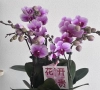
Detailed Guide to Dividing and Transplanting Phalaenopsis Orchids and Cultivation Methods
Division propagation, as a commonly used method of propagating Phalaenopsis orchids, can continue the life of the plant. Below, we introduce the methods and precautions for dividing Phalaenopsis orchids. Early-stage preparation for division 1. Soak the roots in advance: Be sure to water the Phalaenopsis thoroughly before dividing. Considering that the cut surfaces need to remain dry after division, water the plant one day in advance
-

What are the correct methods for dividing Phalaenopsis orchids?
If you want your Phalaenopsis orchids at home to produce more new plantlets, division becomes an important propagation method. Below, we will explain in detail the correct methods for dividing Phalaenopsis orchids. Preparation before division: Choose the right timing: Phalaenopsis orchids are best divided in spring or autumn, as these two seasons are the plant's vigorous growth periods, which benefit the growth and recovery of the new plants.
-

The Complete Guide to Flower Cuttings: Dividing Potted Plants Is Actually Very Simple
The Complete Guide to Flower Cuttings: Dividing Flower Cuttings Is Very Simple
-
-
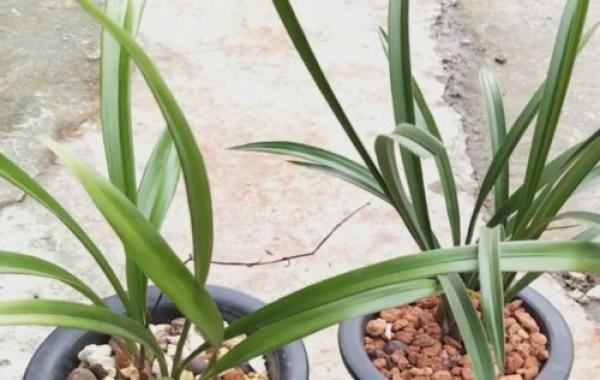
How to improve the survival rate when dividing and repotting orchids
How to improve the survival rate when dividing and repotting orchids
-
The Best Time to Divide Orchids and the Differences Between Dividing Snake Plant, Spider Plant, Clivia, and Cymbidium sinense
What is orchid division? Simply put, it means separating orchid plantlets by hand. Division must be done properly; mistakes in division can harm the orchid and, in serious cases, lead to infection with pathogens and death. So for different orchid varieties, such as snake plant, spider plant, clivia, and Cymbidium sinense, what are the differences in the timing of division?
-
The Best Time and Correct Method for Dividing, Repotting and Transplanting Asparagus Fern
Asparagus fern has extremely high ornamental value and also has a certain air-purifying effect. Many people know that asparagus fern can also be planted by division. Below, let us take a closer look at: When is the best time to divide asparagus fern? How do you divide, repot and transplant it? When is the best time to divide asparagus fern
-
When is the best time to transplant chives? Detailed explanation of transplanting methods and timing
Chive transplanting is divided into two methods: clump planting and single-plant planting. In clump planting, after determining the row spacing and opening a furrow, holes are opened in the furrow according to the hole spacing. When the hole depth is 10-13 cm and the hole spacing is 17-20 cm, 30 plants are planted; when the hole spacing is 7-9 cm, 10-15 plants are planted. Single-plant planting means opening a furrow 10-13 cm deep according to the predetermined row spacing
条件筛选