-

How to prevent and mitigate disasters in crop farming in June? Zhejiang Province officially releases technical measures
According to information from the Zhejiang Provincial Meteorological Observatory, Zhejiang Province entered the plum rain season on May 29. In most years, the plum rain period generally lasts 20-25 days. June is expected to have many rainfall events, with the main severe weather being heavy rain and torrential rain. So, how should crop farming in June implement disaster prevention and mitigation tech
-
Potato Frost Protection and Post-Disaster Mitigation Measures After Snow and Ice Damage
(1) Functions and Uses 1. The effects of low temperatures on seed potatoes during storage and on seed potatoes and young sprouts (seedlings) after sowing. 2. Reduce the severity of snow and ice damage; promote the recovery of potato growth. (2) Technical Measures 1. Preventive measures against frost damage (1) During the storage of seed potatoes, pay attention to keeping them warm. Before low temperatures arrive, take preventive measures: place a straw mat under the seed pile and cover the top of the seed pile with straw mats or other coverings to prevent frost damage. (2) Adjust the sowing period appropriately to prevent frost damage. For
-
What are the technical measures for drought resistance and disaster mitigation in rice cultivation in Heilongjiang Province?
In response to the actual drought situation, the Rice Expert Guidance Group of the Ministry of Agriculture conducted in-depth research in drought-affected rice areas and proposed technical measures for scientific drought resistance and disaster mitigation to ensure increased rice production. 1. Strengthen the management and scheduling of irrigation water sources. Actively develop water sources, organize as much as possible the pumping of return flow and the use of water-lifting irrigation machinery to utilize rivers, lakes and groundwater, alleviating the contradiction of insufficient reservoir storage. For plots far from water sources, promptly dig supplemental water wells to ensure a safe water supply during severe drought seasons. Strengthen the management of existing water resources and the clearing, repair and film-mulching of main irrigation canals to prevent seepage and leakage. Scientifically regulate
-
Key Technical Points for Disaster Resistance and Mitigation and Spring Management of Edible Fungi
1. Clear away ice and snow, dig ditches for drainage. Promptly remove accumulated ice and snow from the top and surroundings of mushroom sheds (houses) to prevent them from collapsing. Dig drainage ditches around the mushroom sheds (houses) to keep drainage smooth and avoid rain and snowmelt attacking the mushroom substrate. 2. Stop spraying water and keep the substrate surface as dry as possible. Because at low temperatures the mycelium of edible fungi enters a dormant state, and spraying water can easily cause death. 3. Strengthen heat preservation management of mushroom sheds (houses). Small arched tunnels can be set up inside the greenhouse, and coverings such as plastic film and straw curtains can be added outside the shed for insulation and dehumidification. Use plastic
-
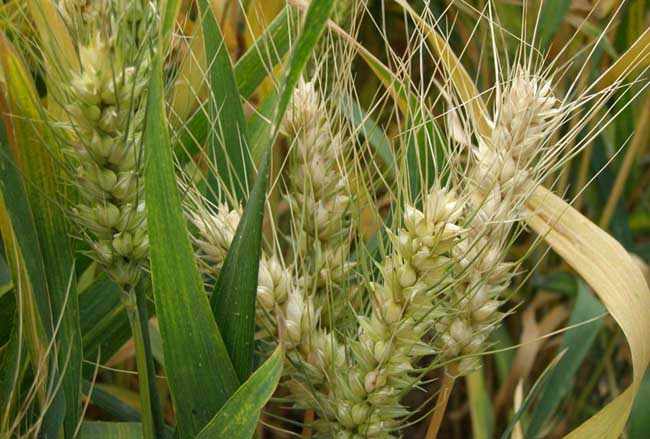
Wheat disaster prevention and mitigation should start with autumn sowing
Wheat should start with autumn sowing, based on disaster prevention and mitigation
-
Key Technical Points for Disaster Prevention and Mitigation During Winter Wheat Sowing
Disaster Prevention and Mitigation Help Winter Wheat Sowing
条件筛选