-
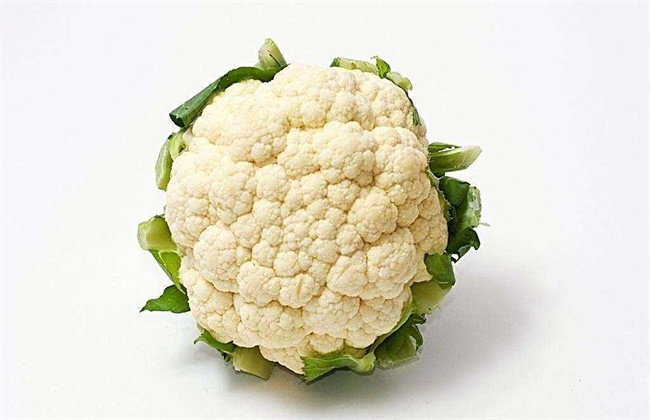
What is the difference between cauliflower and broccoli?
The difference between cauliflower and broccoli
-
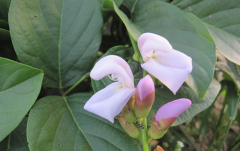
Sword Bean Growing Techniques, Propagation Methods, and the Differences Between Vining and Dwarf Varieties
Do you know the red phoenix bean? This plant has another name, the sword bean. So what are the planting time and methods for sword beans? Let's take a look together! The sword bean blooms from June to July and fruits from August to October. Among plants, those commonly called "sword bean" come in vining
-

What Kind of Corn Is Fruit Corn? Differences from Other Corn and How to Eat It
What is fruit corn? Is fruit corn easy to grow? Fruit corn is a type of sweet corn suitable for eating raw. Compared with ordinary sweet corn, its main characteristics are thin skin with no residue, a delicate texture, lots of juice, and a crisp, sweet taste; it can also be eaten after cooking. Fruit
-
What is the difference between organic and inorganic vegetables
Fresh vegetables are today's popular green food. They are rich in fiber, both nutritious and helpful for weight loss. Take a look at the comparison of these vegetables, and cho...
-
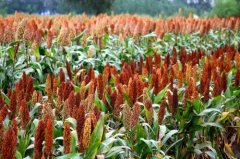
What Is Sweet Sorghum? Differences from Sorghum and a Detailed Guide to Growing Techniques
Do you know sweet sorghum? Why is sweet sorghum called sweet sorghum? Let's take a look at how it differs from sorghum. Sweet sorghum is a variety of grain sorghum and can also produce 5000-6000 kg of grain per hectare, but the seeds are smaller, with a 1000-grain weight
-

What is the difference between the potato ladybird beetle and the 28-spotted ladybird beetle?
The potato ladybird beetle and the eggplant 28-spotted ladybird beetle are very similar in morphology. As soon as the potato sprouts, adults and larvae gather on vigorous plants to feed on the leaves and cause damage, overwintering as adults. Around April, the overwintered adults lay eggs in the field, and they emerge in July. In spring-planted areas, there is 1 generation per year. The larvae and adults of the 28-spotted ladybird beetle damage the leaves of vegetables such as eggplant, potato, tomato and cucumber, causing wilting. The larvae live on the underside of leaves. In warm regions, the adults have 2 to 3 generations per year, overwinter as adults, and generations overlap. After overwintering, the adults gather
-
What is the difference between the two rice diseases? Explained clearly in one article
In recent years, bacterial brown spot of rice has shown a trend of relatively severe occurrence in some rice areas of our province. Most farmers mistakenly treat this disease as rice blast, which both increases costs and fails to achieve good results. For this reason, the two diseases are specifically distinguished below. 1. Symptoms. The symptoms of bacterial brown spot of rice are that reddish-brown small spots first appear on the upper leaves of the rice starting from the leaf tip and leaf edge, then expand into spindle-shaped, long oval, or irregular strip-like streaks, gradually spreading to the entire leaf, causing local necrosis of the leaf, with no bacterial ooze visible
-
Differences Between Pleione bulbocodioides and Aspidistra elatior and Their Care Methods
Scientific name: Pleione bulbocodioides. Aliases: Aspidistra elatior, one-leaf orchid. Family and genus: Orchidaceae, perennial herb. Morphological characteristics: When Pleione bulbocodioides blooms, a leaf grows beside the flower, which is why it is also called Aspidistra elatior, while the name Pleione bulbocodioides comes from its garlic-shaped pseudobulb. Terrestrial or epiphytic; pseudobulb oval or conical, 2 cm to 3 cm long; flowering period April to June; erect inflorescence 15 cm to 25 cm tall.
-
Differences Between Pleione and Aspidistra and How to Identify Them
Scientific name: Pleione bulbocodioides. Alternative name: Yiyelan (one-leaf orchid). Family and genus: Orchidaceae, perennial herb. Morphological features: When Pleione blooms, a single leaf grows beside the flower, which is why it is also called Yiyelan (one-leaf orchid), while the name Pleione comes from its garlic-like pseudobulb. It is terrestrial or epiphytic; the pseudobulb is ovoid or conical, 2 cm to 3 cm long; the flowering period is April to June; the upright inflorescence is 15 cm tall to
-

What is the difference between white-skinned garlic and purple-skinned garlic
The difference between white-skinned garlic and purple-skinned garlic
条件筛选