-
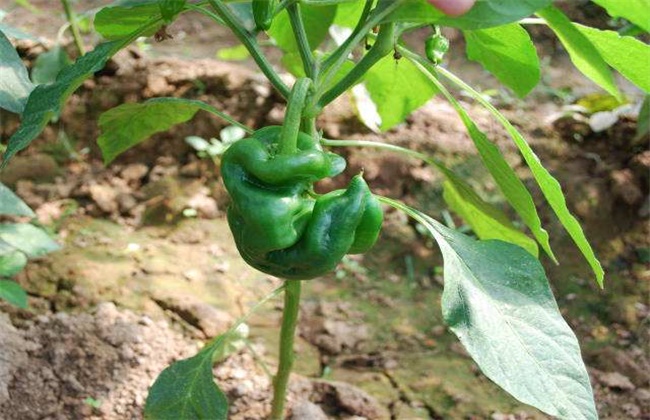
What to do about poor development of autumn-winter peppers? Find the cause and treat it accordingly
Causes of and solutions for poor development of autumn-winter peppers
-
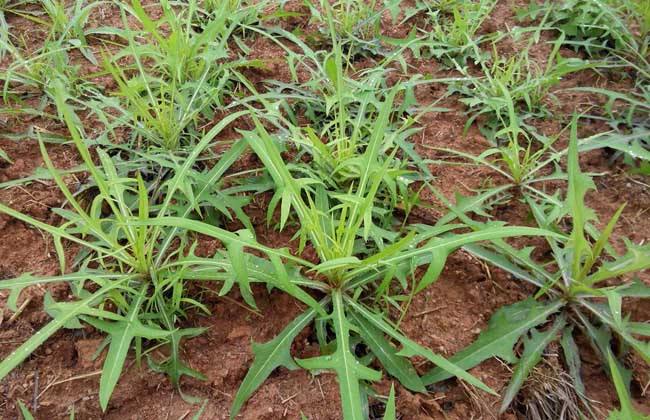
What Are the Prospects for Wild Vegetable Cultivation? Market Potential and Development Space Analysis
What Are the Prospects for Wild Vegetable Cultivation?
-

What to do about poor color development in tomatoes? Cause analysis and control methods
Causes of poor color development in tomatoes and control methods
-
Three vegetables suitable for pregnant women to eat, beneficial to fetal development
We all know that pregnant women are a special group and need more protection. At the same time, during this period of pregnancy, their needs are also greater than when they were not pregnant...
-

Virus-free Technology and Industrial Development of Superior Potato Varieties
Aiming at the main problems currently existing in potato production, this study seized the favorable opportunity of planting-structure adjustment and extensively introduced superior potato varieties from home and abroad. Through trials and market-demand surveys, "Luyin No. 1" was selected as the main cultivar for Qingdao, with Kexin No. 3, Kexin No. 4 and Huayuan 525 as companion cultivars. Through systematic research on virus-free technology, rapid propagation technology and the acclimatization and transplanting technology of virus-free test-tube plantlets, the optimal virus-free protocol for potato was determined: taking 0.1-0.2
-
What measures promote rice root development?
1. Sow early at the right time. When the temperature stabilizes at 5°C, begin sowing and raising seedlings; do not raise seedlings for the May crop. When the temperature stabilizes at 13°C, begin transplanting; do not transplant for the June crop. Transplant during the high-yield period to gain accumulated temperature, which is beneficial to root development. 2. Prepare the land carefully and create the conditions. Do a good job of plowing and rotary tilling; generally the plowing depth is 20 cm and the rotary tilling depth is 14 cm. Keep the plowing or rotary tilling depth uniform, so that the mud is not exposed even in water an inch deep, creating the conditions for root development. 3. Strengthen management and promote development. First, seedling-field management: control the temperature well, water reasonably, spray fertilizer on the leaves, and prevent
-
Research and Development Progress of Functional Rice and Its Food Products
Functional rice refers to rice products that regulate human physiological functions, are suitable for consumption by the general population, and are not intended for the treatment of diseases. In addition to containing the seven major nutrients necessary for human growth and development - protein, fat, carbohydrates, vitamins, minerals, water and fiber - functional rice also contains certain special components that regulate and balance human physiological functions. It can enhance physiological defense mechanisms, prevent specific diseases, delay aging, and control physical strength and energy status. 1. Processing of functional rice
-
Detailed Explanation of the Growth, Development and Functions of Rice Roots
After the seeds are pre-germinated, they sprout and grow roots. At first, only one root grows, called the seminal root (primary root), which develops from the radicle of the seed. The fibrous roots that later grow from the root primordia at the stem nodes are called adventitious roots. The coleoptile node and the incomplete leaf node produce about 5 roots, the first, second and third leaf nodes produce about 10 roots each, and the nodes above the fourth leaf position produce about 10 to 20 roots each. This is because the leaves increase in size in sequence from bottom to top, so the nutrients supplied for root growth increase in sequence, and the number of roots produced also increases. The nodes of the aboveground part generally do not produce roots. The nutrients produced by the leaves are
-
Proper drought and disease prevention management during the garlic scape development period
The garlic scape development period is the reproductive growth stage of garlic, mainly including the flower bud differentiation stage and the scape elongation stage. The differentiation of flower buds and bulbils is a critical period in garlic growth and development, and smooth differentiation helps increase yield. The scape elongation stage refers to the period from when the scape begins to elongate until the scape is harvested after the tail-flicking stage, about 30 days. During the garlic scape development period, flower bud differentiation requires temperatures below 10°C; the scape elongation stage requires an optimal temperature of 12°C-18°C. If the temperature is too low, the scape elongates slowly, affecting yield; if the temperature is too high, the scape elongates quickly, the fiber content increases, and quality deteriorates.
-
What are the benefits of applying organic fertilizer to peanuts for their growth and development?
What is peanut stem rot? Peanut stem rot is also called peanut stem rot disease or foot rot. Before the seedlings emerge, the affected cotyledons turn dark brown. The pathogen invades the base of the plant stem along the cotyledon stalk, first producing lesions that ooze yellow fluid, which later turn brown. As the lesions develop, they cause the tissue at the stem base to rot. When the lesions expand and encircle the stem base, the aboveground part wilts...
条件筛选