-

What to Do When Clivia Leaves Develop Spots? Common Disease Prevention and Control Methods
Nowadays many people like to grow some plants at home, which not only helps pass the time but also makes the home feel more cozy. More and more people like to keep clivia at home. You can often hear people say that the leaves of their clivia have developed spots.
-
What should be done when the grain crop rice develops white head disease? When does it occur? What causes it? How can it be prevented? What medicine can cure it?
Rice white head disease is a common disease after rice heading, occurring in all planting areas, and this disease can seriously affect yield and reduce benefits, so during the planting period, management techniques must be strengthened. So what should be done when rice develops white head disease? When does it occur
-
Will African swine fever cause disease in nursery pigs?
The impact of African swine fever is extremely powerful, and I believe many friends still have not recovered from it even now. Today let us solve one question together: will nursery pigs develop African swine fever? Let us take a look! 1. Will nursery pigs develop African swine fever? African swine fever nursery pigs
-
What to Do When Parrotfish Develop White Spots? Common Disease Prevention and Treatment Methods for Tropical Fish
Parrotfish, commonly known as parrot cichlid, parrotfish, red wedge cichlid, etc., are tropical fish that live in coral reefs. They are named for their brilliant colors and mouths that closely resemble a parrot's beak. There is also a freshwater ornamental fish bred by crossbreeding the male red devil cichlid (a Central American cichlid) with the purple-red firemouth, and because of its bright red body color, it is also called the blood parrot. So what are the common diseases of parrotfish? What should you do when white spots appear on the body? According to data, the pathogen of white spot disease is Ichthyophthirius multifiliis. After Ichthyophthirius invades the fish's skin, the diseased fish's skin mucus increases, and a dense layer of white spots visible to the naked eye appears on the fish's pectoral fins, dorsal fin, caudal fin, and body surface skin. In the early stage of the disease, the diseased fish gather in the corner of the tank and rub against each other. In the later stage of the disease, the diseased fish float sluggishly at the water surface and do not eat when food is offered. Because Ichthyophthirius does not reproduce easily at water temperatures above 25 degrees C and begins to die at 28 degrees C, the water temperature can be slowly raised to 30~31 degrees C; after resting for several days, the Ichthyophthirius cysts begin to fall off, and if the water is replaced with fresh water in time, the diseased fish can recover. You can use the medication —— “White Spot Once Clean”; remember to pay attention to the dosage.</span></p> <p style="text-align: center;"><span style="line-height:1.6; text-indent:2em"></span></p> <p style="text-indent:2em;">Parrotfish also have the following common diseases: enteritis and prolapsed anus</p> <p style="text-indent:2em;">1. Bacterial enteritis in parrotfish is mainly caused by eating unclean food or overeating, with the intestines becoming distended and excretion blocked, and finally bacteria infecting the intestines and causing enteritis. The pathogen is Aeromonas punctata. [Symptoms] The diseased fish often has a swollen abdomen, shows red spots, a protruding anus, and the fish body becomes sluggish, staying motionless in the corner of the aquarium, with short bouts of twitching of the body muscles, no feeding, and white feces. When the fish's abdomen is cut open, abdominal fluid can be seen, and the intestinal wall is congested and inflamed. In mild cases, only part of the intestine appears red; in severe cases, the entire intestine is purplish red, with no food in the intestine and filled with pale yellow mucus and bloody pus.</p> <p style="text-indent:2em;">There are many methods for treating enteritis. There are also many drugs sold on the market. Oral drugs such as nakexin, yufukang, sulfaguanidine, etc., and external drugs such as yujunjie, furacilin, gentamicin, oxytetracycline, furazolidone, etc., after dilution, can be splashed or used as a bath, and all can achieve relatively good results.</p> <p style="text-indent:2em;">2. Prolapsed anus in parrotfish mainly involves protrusion of the anal opening, with white intestines exposed outside the anus, like a caterpillar. When parrotfish show this condition, it is very dangerous. If you find that a parrotfish has this kind of prolapsed anus, you must treat it promptly. Generally speaking, prolapsed anus in parrotfish is mainly due to long-term feeding of a single food or food that is too hard, such as feeding dried shrimp that has not been soaked soft for a long time; there is also a pathological type of prolapsed anus. The mild prolapsed anus generally caused by food can be addressed by fasting the parrotfish for a period of time, but it is worth noting that after the anal gland retracts, fasting is still needed for about a week to avoid recurrence and the development of habitual prolapsed anus. If the prolapsed anus has already persisted for a relatively long time, then medication should be used according to the fish's condition. You can choose 4 tablets of furazolidone (furazolidone) + Baibichu + 31 degrees C water temperature + stopping food, dissolved in a 1 m aquarium, change 1/3 of the water every 2 days and replenish the medicine. After one week of medication, it can recover.</p> <p style="text-align: center;"></p> <p style="text-indent:2em;">Appendix: Are parrotfish poisonous?</p> <p style="text-indent:2em;">Parrotfish themselves are not poisonous; it is just that some of the food they eat is toxic. Parrotfish have organs in their bodies that break down and digest toxins, so parrotfish are not harmed by these toxins. However, if people catch parrotfish at this time and the toxins in their bodies have not been completely eliminated, then the toxins from the parrotfish's food will be transferred to the humans who eat the parrotfish. Therefore, many fishermen advise greedy diners not to eat parrotfish.</p>
-
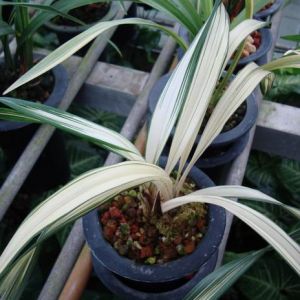
Orchid leaves develop pinhead-sized spots on the underside; prevent sand spot disease in the hot season
Cymbidium sinense 'Chinese Prince'
-
-
Characteristics of various types of inflammation that appear after pigs develop disease
Characteristics of various types of inflammation when pigs develop disease
-
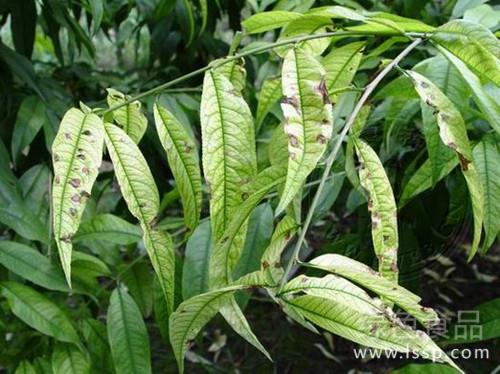
Peach tree leaves developing brown spots, drying up, dropping off and perforating? Control methods for shot hole disease
Leaves developing brown spots, drying up, dropping off and perforating: control methods for peach shot hole disease
-
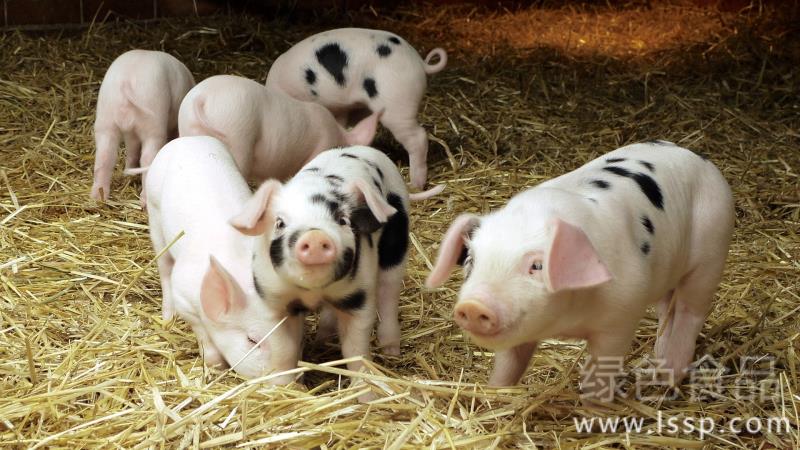
What to Do When a Pig Suddenly Develops Gastrointestinal Bloat? Key Points for Preventing and Treating Overeating Disease
What to Do When a Pig Suddenly Develops Gastrointestinal Bloat and How to Prevent and Treat Overeating Disease in Pigs
-
Biological agents developed for pest and disease control throughout the goji growing season
With the creation of 4 compound pure biological agents formulated by the "Research on Biological Control Technology for Major Goji Pests and Diseases" team at the Institute of Plant Protection of the Ningxia Academy of Agriculture and Forestry Sciences, the pests and diseases constraining the development of Ningxia's goji industry have finally met their greatest "natural enemy." The use of these agents will achieve biological control of pests and diseases throughout the entire goji growing season, not only reducing the number of control applications but also improving goji quality. Goji is a traditional medicinal herb cultivated in Ningxia and is also a leading industry designated by the autonomous region's Party committee and government. However, the occurrence of goji pests and diseases is extremely complex,
条件筛选