What to Do When a Pig Suddenly Develops Gastrointestinal Bloat? Key Points for Preventing and Treating Overeating Disease
Overeating disease in pigs is characterized by sudden gastrointestinal bloat. The affected pig's abdomen becomes distended like a drum, and the stomach wall dilates, causing digestive impairment. It usually appears within 15-20 minutes after the pig eats. The affected pig breathes faster, the area around the eyeballs becomes congested, and in some cases the eyes bulge. In severe cases, the pig's limbs become uncoordinated, sticky foam flows from the mouth and nose, and the anus protrudes until death. Overeating disease has a tendency to occur in groups, and the affected pig's skin turns red or blue-purple.
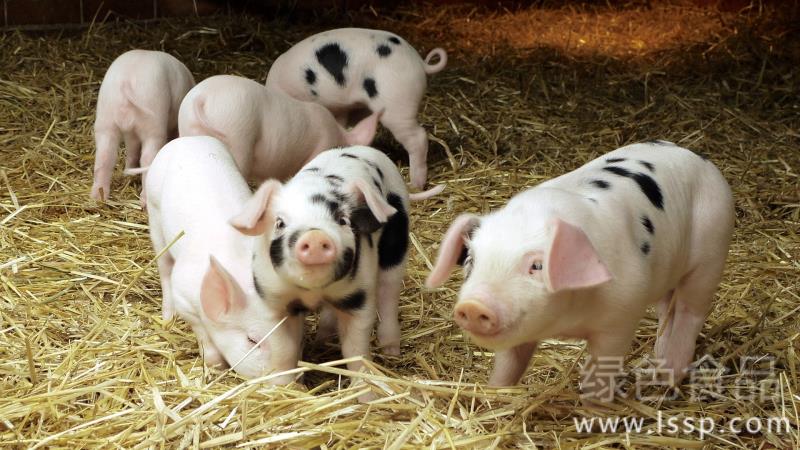
Pig
Cause analysis:Irregular feeding, uneven hunger and satiety, etc.; if the feed is moldy, it may be complicated by nitrite poisoning.
Prevention and control measures:
Strengthen management, feed according to the pig's requirements, and provide feed evenly. Prevent pigs from overeating; the amount fed should be appropriate for maintaining the pig's basic and growth needs. The feed formula should be reasonable and stable, and sudden changes should be prevented. When changing feed varieties, allow a 3-5 day transition. When feed is changed or the weather changes abruptly, anti-stress drugs such as electrolytic multivitamins, vitamin C, and glucose powder can be added to the pigs' drinking water. When pigs exceed 75 kg, add 0.3% salt to the feed, skip 1 meal within 1 week, and increase the pigs' water intake. The pigs' drinking water should be clean and hygienic, and the height of the free-access drinker should be adjusted as the pigs grow, preferably 15-20 cm above the pig's back. Do not feed moldy or spoiled feed.
Treatment:
Empty the accumulated food in the stomach and restore stomach function. The pig can be fasted for 1 day with a small amount of drinking water. To promote the pig's stomach motility and the emptying of its contents, the pig's abdomen can be massaged, and the pig can also be steadily driven to move. For pigs with acute disease, handle them carefully to prevent stomach rupture.
For pigs that have already developed the disease, Bicacolin (bethanechol chloride injection) can be injected, using 10 ml per 50 kg, injected 2 times per day. If the pig's nictitating membrane protrudes and hardens, cut off the hardened nictitating membrane with scissors and let it bleed. To prevent fermentation of the contents in the pig's stomach, ichthammol 1-5 g and ethanol 10-15 ml can be added with an appropriate amount of water and given by oral drench once, or vinegar 20-50 ml can be given by oral drench once.