-
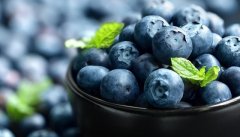
Sustainable Methods and Cultivation Techniques for Improving Iron Deficiency in Blueberries
Blueberry cultivation has one problem that is relatively difficult to solve, and that is iron deficiency. Want to know sustainable methods for improving iron deficiency in blueberries? Then let's take a look together! Blueberry (Blueberry) originated in North America, and its fruit is rich in anthocyanins (anthocy
-
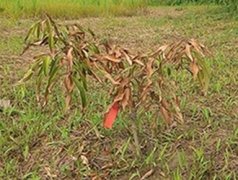
What are the symptoms on leaves when a plant lacks water versus when the soil is too wet?
Leaf symptoms of water deficiency and waterlogging in plants. The plant's roots are healthy but the soil moisture is insufficient, and the leaves are constantly losing water through transpiration. This is especially likely to happen to newly planted seedlings in autumn when there is no rain, strong wind, and blazing sun. Especially for newly planted seedlings in autumn.
-

What to Do When Crops Are Deficient in Chlorine? Symptom Identification and Correct Use of Chlorine-Containing Fertilizers
Chlorine is one of the essential elements for the growth and development of many crops. Many plants will grow poorly if they lack chlorine, so what should be done when crops are deficient in chlorine? What are the symptoms? How should chlorine-containing fertilizers be used? Let's take a look. 1. The effect of chlorine on crops
-
What are the typical symptoms of nitrogen, phosphorus, and potassium deficiency in rapeseed?
Rapeseed is a very important oil crop and also has a certain ornamental value; a field of rapeseed flowers looks golden and is very beautiful and attractive. During rapeseed cultivation, if the corresponding elements are lacking, some symptoms will appear, leading to reduced yield
-
How to Treat Leaf Curl on Cherry Trees? A Detailed Guide to Prevention and Control Methods
Summary Water deficiency: When cherry trees develop leaf curl due to hot weather and lack of water, watering and appropriate shading can relieve it on their own. Aphids: If it is caused by aphids, pesticides such as imidacloprid need to be sprayed. Nutrient deficiency: If it is potassium deficiency, potassium dihydrogen phosphate can be sprayed, or
-
Why are grape berries small? Besides nutrient deficiency, there are also these factors
There are many reasons why grape berries are small, including variety issues, nutrient deficiency, too many berries, unreasonable fertilization and improper management. Solutions: Variety: learn more about varieties, and you will not buy a small-berry variety. Nutrient deficiency: spray promptly during the grape growing period
-
How to prevent and treat peach tree chlorosis? A full breakdown of practical methods
1. Causes 1. Iron deficiency The main causes of iron deficiency in protected-cultivation peach trees: ① Planting density is high, some even reaching 1 m by 0.8 m, the land nutrient area occupied by each tree is small, roots cross each other, and the iron ions released in the soil cannot meet the absorption needs of the root system.
-
What are the control methods for iron deficiency chlorosis in jujube trees?
Distribution and harm: Yellow leaf disease occurs in many jujube-growing areas, among which iron deficiency chlorosis is relatively common and is a physiological disease. It can cause tree decline, affect jujube yield, and in severe cases can cause tree death. 1. Symptoms: Mild iron deficiency
-
What are the control methods for apple boron deficiency?
Apple boron deficiency is a physiological disorder caused by boron deficiency, and in the past two years it has shown a worsening trend on early-maturing apple varieties such as American No. 8 and Gala, and late-maturing varieties such as Qinguan. 1. Symptoms: The main symptoms on the fruit can be divided into three types: dry spot type, corky type and rusty spot
-
What are the control methods for nutrient deficiency diseases in citrus
Zinc deficiency causes mottled leaf disease. Citrus mottled leaf disease is a common disease, with the typical symptom being mottled small leaves. When new leaves begin to turn green, the main veins and lateral veins appear markedly green, while the remaining tissue is light green to yellowish white and glossy. In severe cases, only the area near the main vein or thick lateral veins is green, and the new leaves are narrow and mottled, mostly upright, with short internodes and clustered branches. Mottled disease is caused by zinc deficiency. Many soils are deficient in zinc, such as soils formed from granite, gneiss, and serpentinite, which contain little zinc; acidic sandy soils lose zinc easily; in alkaline soils zinc readily forms insoluble compounds, thus causing zinc deficiency. In addition, soil that is too dry or too wet, low humus content or excessive application of organic matter, which hinders contact between roots and soil, as well as heavy pruning, all make zinc deficiency likely to occur. Foliar fertilization can achieve fairly good results in controlling zinc deficiency. It is advisable to spray 0.2%-0.3% zinc sulfate solution (with an equal amount of lime) once during the tender shoot stage, and spray 2-3 times for severe zinc deficiency.</p><p></p><p>Copper deficiency or boron deficiency causes dieback disease. In the early stage of copper deficiency in citrus, new shoots are long, soft, and slightly curved, the leaves are large and dark, and fruiting is low, so it is easily mistaken for excessive vigor. In severe cases, the tips of the shoots turn tea-brown and die, short weak clustered branches appear, and they dry out and drop early and gum exudes; when the branches mature, the wounds are reddish brown, and parts of the leaves are reddish brown. Citrus has a very small copper requirement, and ordinary spraying of Bordeaux mixture is already sufficient. However, copper deficiency is likely to occur in peat soil, acidic sandy soil, soil with high organic matter content, as well as on abandoned grazing land and abandoned cemetery land; excessive application of barnyard manure and phosphate fertilizer also causes copper deficiency; newly reclaimed citrus orchards that have not been sprayed with Bordeaux mixture or other copper preparations for several years are prone to copper deficiency. Boron deficiency in citrus: the growing points of buds die continuously, forming clustered buds; leaf veins swell, become corky or split; the fruit is small and deformed, with thick hard peel, and brown resin deposits are present in the fruit center and spongy layer. Boron is easily lost from acidic soil, hence boron deficiency. In soil parent materials such as granite, gneiss, and schist, boron content is extremely low; in alkaline soil its solubility is poor, so boron is also deficient. Excessive application of phosphate fertilizer or lime, or soil drought, all affect the availability of boron and the absorption of boron by roots; sour orange has weak boron uptake, so citrus grafted onto sour orange rootstock is generally deficient in boron. For copper deficiency, Bordeaux mixture or other copper fertilizers can be sprayed. To supplement boron, soil application can be used, or 0.05%-0.1% boron fertilizer solution can be sprayed at the bud stage, flowering stage, and small fruit stage.</p>
条件筛选