-

What plants are suitable for growing in dark, damp places? What shade-tolerant, moisture-tolerant foliage plants are there?
In everyday life, there are always some dark, damp corners, such as a north-facing balcony, a shaded bathroom, or a poorly lit hallway, that seem hard to decorate but actually hold a unique world for plant growth. Today, let us introduce some plants suitable for growing in dark, damp environments, to add greenery to these corners. Mosses
-
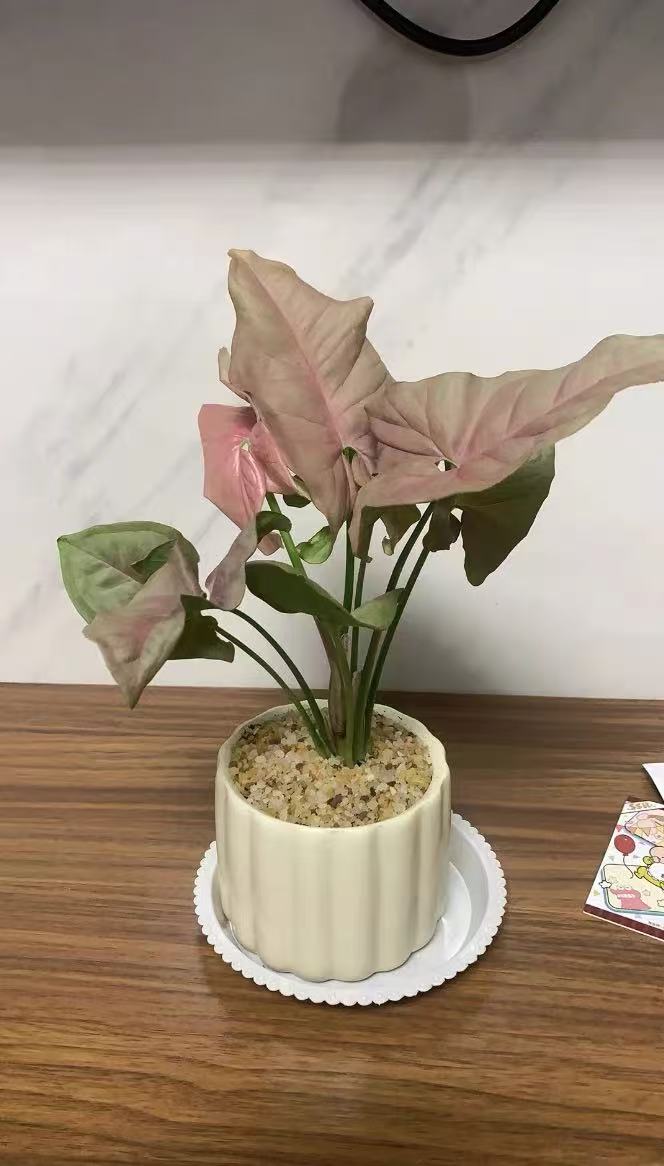
What plants are suitable for growing in dark and damp places?
In daily life, there are always some dark and damp corners, such as north-facing balconies, shady bathrooms, and dim corridors. These areas may seem difficult
-

A Detailed Guide to Centipede Farming Techniques and Methods
Choose a well-ventilated, sunny, shady, damp and quiet spot to build the pond, with dimensions of 5 m long, 2 m wide and 0.8 m high. Some weeds can be planted in the pond to simulate a wild environment. Select centipedes that are large in body, mild in temperament, fast-growing, highly reproductive, free of disease and injury, and already three to four years old as breeding stock,
-
How to prevent and control pepper damping-off disease? Latest technical method tutorial
Damping-off is one of the important diseases of pepper at the seedling stage. It is distributed throughout the country and is often caused by unsuitable temperature and humidity during seedling raising and extensive management. When the disease is severe, it often causes seedlings to lodge and die in patches. In addition to harming pepper and other solanaceous vegetables, the disease can also damage the seedlings of cucumbers, melons, lettuce, celery,
-
How to prevent and control eggplant damping-off? A detailed explanation of the latest control methods
Eggplant damping-off mostly occurs in the early stage of eggplant seedlings. Before the seeds emerge, they are susceptible to damage, often causing seed rot. After emergence, during the cotyledon stage or the early true leaf stage, damage causes seedling damping-off. In the early stage of the disease, the base of the seedling stem becomes discolored and necrotic, gradually loses water and shrinks into a thread-like shape. The cotyledons have not yet wilted,
-
A Detailed Guide to the Latest Control Methods for Damping-Off in Eggplant Seedlings
Eggplant is highly prone to damping-off during the seedling stage. This disease, which occurs very easily during the eggplant seedling stage, is an important part of the eggplant seedling-growing process and is of great significance for increasing yield. So how should damping-off in eggplant seedlings be controlled? Let's take a look.
-
What are the causes of vegetable seedling damping-off and the control methods?
Vegetable damping-off, also called seedling meltdown, is a common phenomenon during the raising of melon and fruit vegetable seedlings in winter and spring, and it has a relatively large impact on production. It is most prone to occur from seedling emergence to around the appearance of the first true leaf. At first only a few seedlings fall over, and by the next day
-
Control Techniques for Aphids, Red Spider Mites, Scale Insects, Damping-Off, Rust, and Powdery Mildew on Flowers
In spring the temperature turns warm then cold again, and the air humidity is high. At present the occurrence of crop pests and diseases is at a moderate to severe level, and flowers also suffer from many pests and diseases. The following are generally the more serious ones from April to May: 1. Damping-off When the temperature reaches 20°C, newly sown
-
Seedlings fail to grow and then fall over? The reason is actually very simple
Seedling damping-off is most likely to occur shortly after the seedlings emerge. At first, the base of the young seedling stem is water-soaked and light brown, then becomes thin and thread-like, and the seedling quickly falls over onto the ground. At the beginning, only a few individual seedlings are affected, but then, with these as the center of infection, it spreads rapidly outward, causing patches of
-
Rice Seedling Root Coiling During the Transplanting Season: Management Techniques and Control of Bacterial Wilt and Damping-Off
Rice is a species of the grass genus Oryza, and also the most important and longest-cultivated grain species in the genus Oryza. Now that the transplanting season is approaching, how can rice seedlings coil their roots well? What are the management techniques? How do you prevent and control bacterial wilt and damping-off? It's transplanting season again, rice
条件筛选