-
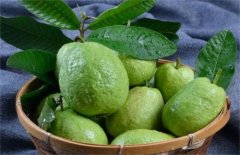
Guava Diseases: Control of Damping-Off, a Common Disease of Guava
What should you do when damping-off occurs in guava, how should you control it, and what do the symptoms look like? Let's take a look together. Symptoms: After different guava varieties are harmed by the damping-off pathogen, apart from differences in the strength of disease resistance, the symptoms also differ slightly. Generally, after infection with damping-off,
-

What are the other names of processed Pinellia tuber (Fa Banxia), which can dry dampness and transform phlegm, and what is its price per jin?
Processed Pinellia tuber (Fa Banxia) is commonly found in China's Sichuan, Jiangsu, Hubei, Anhui and other places, generally harvested and marketed in summer and autumn, and is a common Chinese medicinal material. The skin color of processed Pinellia tuber is pale yellowish-white, yellow or brownish-yellow, and its texture is relatively crisp. For cough and asthma, excessive phlegm, dizziness
-
How much does goji berry cost per jin? What to do if it gets damp and how to dry it quickly?
Whether at work or at home, many people like to brew some goji berry tea to drink, or put it in soup to simmer, not only for health preservation but also greatly beneficial to the human body, so how much does goji berry cost per jin? What to do if it gets damp and how to dry it quickly? 1. Introduction to goji berry: 1. Goji berry is hot
-
Detailed Guide to Identifying and Controlling Damping-Off Disease in Crown Daisy
Crown daisy (Glebionis coronaria) refers to the stems and leaves of the Asteraceae plant crown daisy. Also known as ponghao, chrysanthemum greens, hao cai, tonghao cai, yi cai (goose vegetable) and ai cai, it is an annual or biennial herbaceous plant of the genus Chrysanthemum. The roots, stems, leaves and flowers of crown daisy can all be used as medicinal material, with effects of purifying the blood, nourishing the heart, lowering blood pressure, moistening the lungs,
-
How to prevent and control damping-off in garland chrysanthemum? A detailed guide to practical methods
Garland chrysanthemum (Chrysanthemum coronarium L.), also known as tonghao, penghao, haocai, juhuacai, tanghao, haozigan, haozi, and tonghuacai (called ecai and yicai in places such as Fujian), is an annual or biennial herbaceous plant of the Asteraceae family, with alternate leaves that are long and pinnately lobed, and yellow flowers
-
Symptoms, Identification and Control Methods of Damping-off in Green Peppers
Green pepper, also known as chili pepper, cayenne pepper, sea pepper, pepper eggplant, sweet pepper, is a crop of the Solanaceae family, genus Capsicum, an annual or perennial herbaceous plant, cultivated throughout the country, and is a traditional main vegetable in our country. It is rich in nutrients, containing protein, organic acids, vitamins, pigments
-
What to Do When Bracken Fern Gets Damping-Off? Symptom Identification and Control Methods
Bracken fern (Pteridium aquilinum var. latiusculum), also known as fist fern, cat's claw, and dragon-head fern, prefers to grow on sunny plots in low mountain areas. It is found in most parts of China, mostly distributed in sparse coniferous and broad-leaved mixed forests. Its edible part is the unopened young tender leaf buds. After processing,
-
Characteristics and Control Methods of Cotton Rhizoctonia Damping-Off
Characteristics of cotton damping-off: After the cotton seedlings emerge, they are damaged; in the early stage, yellow-brown lesions appear at the base near the soil surface, and the lesions gradually expand to surround the entire base, showing obvious constriction; the diseased seedlings wilt, lodge, and die. After the cotyledons are damaged, yellow-brown irregular lesions mostly appear in the middle of the cotyledons
-
What are the methods for preventing rice seedling-stage diseases?
I. Damping-off Symptoms: During the seedling stage, the young shoots sometimes become discolored, the leaves curl, and finally the plants wither and die, spreading very quickly. Control measures: The pathogen of damping-off survives in the soil, and the occurrence of damping-off is closely related to environmental conditions such as climate, seedbed temperature, soil pH, and fertilizer.
-
How to grow Abrus cantoniensis? Master these key cultivation techniques
Abrus cantoniensis has the effects of clearing heat and removing dampness, detoxifying, relieving pain and benefiting the liver, and is a common Chinese medicinal herb, but many people's Abrus cantoniensis does not sprout, which may be due to the wrong planting method, so how do you grow Abrus cantoniensis? 1. How to grow Abrus cantoniensis Abrus cantoniensis generally
条件筛选