-
-
-
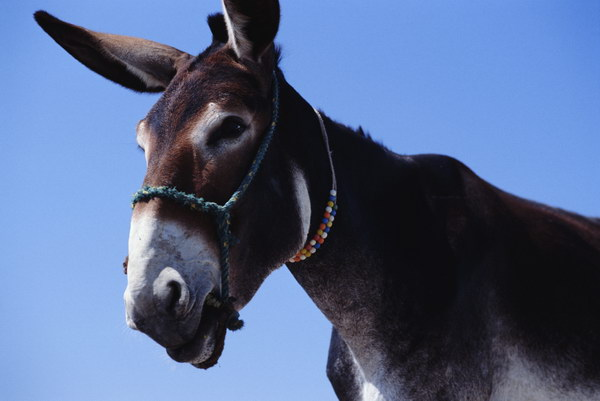
Analysis of the Current Status and Future Trends of China's Donkey Farming Industry
Analysis of the Current Status and Trends of China's Donkey Farming Industry
-
-

An In-Depth Analysis of the Current Status and Trends of China's Broiler Industry
The Current Status and Trends of China's Broiler Industry
-
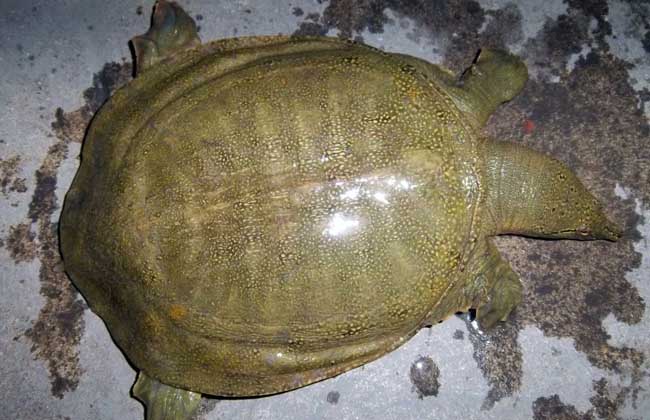
How much does wild soft-shelled turtle cost per jin at current market prices?
How much does wild soft-shelled turtle cost per jin?
-
Analysis of the Current Cultivation Status and Development Prospects of Japanese Pear in China
Japanese pear (Pyrus pyrifolia Nakai) belongs to the sand pear cultivar group, and has a relatively long history of cultivation in Japan. Over a long period, Japanese scholars and producers have bred many cultivars through selection and crossbreeding, forming a cultivar group with distinctive characteristics, which is why it is called Japanese pear. Its main characteristics are attractive fruit appearance, regular shape, mostly round, ovate or elliptical, fine and tender flesh, few stone cells, abundant juice, rich sweet flavor, high soluble solids content, and superior quality. It is well received in the international pear fruit market, and the fruit price @#@136@#@ has remained consistently high. Cultivating Japanese pear is of great significance for comprehensively improving the quality of China's pear fruit, improving the pear cultivar structure, and enhancing international market competitiveness. However, when cultivating Japanese pear, corresponding technical measures should be adopted according to its physiological characteristics to maximize the excellent traits of the cultivars and achieve the expected economic benefits. 1 Introduced cultivars As early as the 1930s, Professor Wu Gengmin of Zhejiang University introduced some Japanese pear cultivars from Japan to Hangzhou, such as Nijisseiki, Chojuro, Yakumo, Kikusui, and Okusankichi; from the 1960s onward, various regions of China gradually introduced excellent Japanese pear cultivars. The earlier introduced Japanese pear cultivars included Imamuraaki, Shinseiki, Chojuro, Nijisseiki, Okusankichi, etc. The cultivars introduced afterward were mainly the "Three Waters" pears (Shinsui, Kosui and Hosui), and they were cultivated on a certain scale in China's pear fruit production areas. With the continuous breeding of new and superior Japanese pear cultivars and the deepening of China-Japan exchanges, more new excellent Japanese pear cultivars have been introduced into China. The main cultivars include Atago, Niitaka, Kin-Nijisseiki, Nansui, Nangetsu, Chikusui, Shusui, Akizuki, Bali, Xiuyu, Beixin, Xinxing, Fengyue, Qiurong, Xinxue, Yanshou, Xiang, Mingshui, Ruoguang, Shou, Shinsui and Nikko pear, etc. Some of these cultivars have already been directly applied in production and have become the main cultivars in some pear production areas. At the same time, Chinese pear breeding workers have used Japanese pear germplasm resources and, through crossbreeding methods, successively bred dozens of excellent pear cultivars, some of which have also become main cultivars, further enriching China's pear cultivar resources. 2 Cultivation status 2.1 Production situation of Japanese pear in China Japan is an island country surrounded by the sea on all sides, encircled by the warm current from the tropical Pacific (the Kuroshio) except for the northeastern coast. Its climate is regulated by the ocean, forming a relatively mild and humid oceanic monsoon climate with abundant precipitation. The annual average rainfall in most areas is 1000-2000 mm, and the eastern coastal areas have continuous rain in June and July. Compared with China's main sand pear production areas such as Suining, Huai'an and Yancheng in Jiangsu; Suzhou and Shexian in Anhui; Shangrao and Wuyuan in Jiangxi; Gutian and Pingnan in Fujian; Cangxi and Jinchuan in Sichuan; Zhaotong and Chenggong in Yunnan; and Zaoyang and Xiangfan in Hubei, the hot and humid and precipitation conditions are similar, so Japanese pear can grow and develop normally in these areas, which has also been confirmed in long-term production practice. For example, the "Three Waters" pears, after more than 20 years of trial cultivation, have now begun to show results in some of China's pear production areas. According to incomplete statistics, Japanese pear has a cultivation area of one million mu in China, mainly distributed in Jiangsu, Shandong, Zhejiang, Jiangxi, Hunan, Hubei, Guangdong, Anhui, Henan, Liaoning, Sichuan and other provinces. Various places have introduced, trial-cultivated and promoted Japanese pear according to local ecological conditions, and explored many successful experiences. For example, in the 1970s, Lichuan City in Hubei Province introduced Chojuro pear for cultivation and it has remained so to this day, showing early fruiting, high and stable yield, resistance to black spot disease, and high fruit sugar content. At present, the area has reached 1333 hm2, with an annual output of more than 8000 t of high-quality pears, and it is deeply welcomed by consumers in Hunan, Sichuan, Chongqing and other places. In the 1990s, Anyang City in Henan Province introduced the Japanese Atago pear, described as "flesh white as snow, juice sweet as honey"; the average market price of the fruit was 12-16 yuan/kg, with excellent benefits. Heze region in Shandong Province introduced Shinseiki pear in 1992. After observation, it was found that this cultivar has strong adaptability, early fruiting, high yield, easy cultivation, easy flower formation, beautiful fruit appearance, and excellent quality. It is the earliest-maturing "crystal pear" at home and abroad at present. By the end of 1999, nearly 600 hm2 had been promoted in the whole region. In 1992, Taiwanese businessmen introduced Kin-Nijisseiki pear to the Jiaodong area and top-grafted it onto mature Laiyang Cili trees. In 1993, finished seedlings were propagated and promoted locally. After several years of observation, its comprehensive economic traits were even better than in Japan, and all fruit was sold to Taiwan, China, with extremely high commercial value. In the early 1990s, the state-owned farm in Jinzhou District, Dalian City, Liaoning Province introduced 8 Japanese pear cultivars totaling more than 20000 plants from Imari City, Japan. At present, the total output has reached more than 500 t, Hosui pear has entered the international market in batches, and at the same time, the promotion area across the country has reached hundreds of thousands of mu, covering 22 provinces (autonomous regions and municipalities). Since 1996, Guangxi introduced early-maturing pears Shinsui and Kosui, and late-maturing pears Atago and Okusankichi from Japan for trial planting in Guilin. The results showed that these Japanese pear cultivars could all adapt to the climate and soil conditions of Guilin, and had the characteristics of early fruiting, early maturity, early high yield, excellent quality, or late maturity and high quality. To date, about 6000 hm2 have been developed. At present, many other places in China are preparing to invest in building Japanese pear production bases, such as Ningbo in Zhejiang and Hai'an in Jiangsu. Jiangsu Province is one of the provinces with the largest cultivation of Japanese pear. According to statistics, it has now developed to 20000 hm2 (300000 mu), accounting for about 40% of Jiangsu's total pear area, of which Suining County alone has developed more than 100000 mu of "Three Waters" pears. Yancheng City is also one of the areas with more Japanese pear development, with output accounting for 63% of total pear output. In Jiangsu's Sheyang County alone, Japanese Akaho pear currently covers more than 4000 hm2. The area and output of Japanese pear in various cities of Jiangsu Province are shown in Table 1. Table 1 Area and output of Japanese pear in various places of Jiangsu Province Place Area/10000 hm2 Output/10000 t Place Area/10000 hm2 Output/10000 t Yancheng City 0.867 13.6 Huai'an City 0.017 0.2 Xuzhou City 0.787 2.5 Qinzhou City 0.013 0.2 Nantong City 0.300 3.4 Suqian City 0.007 0.02 Lianyungang City 0.133 1.6 Nanjing City 0.004 0.04 Yangzhou City 0.030 0.3 Zhenjiang City 0.004 0.04 Note: Data from the Horticulture Division of the Jiangsu Provincial Department of Agriculture and Forestry. 2.2 Key cultivation techniques for Japanese pear In 1996, the "Key Points of Agriculture in the 21st Century" issued by Japan's Ministry of Agriculture, Forestry and Fisheries included 5 aspects involving key technologies for Japanese pear production. This technical system includes the use of dwarfing rootstocks, breeding dwarf cultivars, implementing dwarf cultivation methods, developing low tree canopies, breeding cultivars resistant to complex diseases; utilizing self-compatibility traits; and using allelopathy to control orchard weeds, etc. These technologies have been introduced into China through different channels and have been promoted in China's main Japanese pear production areas. 2.2.1 Orchard establishment techniques: An important reason for the good quality of Japanese pear fruit is good soil management. Japanese farmers adopt the technical measures of deeply burying leaves back into the field and sod culture. Therefore, in autumn, base fertilizer is applied mainly as organic fertilizer and the soil is deeply turned for improvement; crop straw is used to mulch the tree disk to a thickness of 10-15 cm, and during the growing season cut green material is used to mulch the tree disk. Topdressing is processed mainly from cow dung and chicken manure as raw materials. The orchard organic matter content is required to be above 3%. The vast majority of Japanese pear cultivars cannot set fruit by self-pollination, so when planning an orchard, attention must be paid to the arrangement of pollinizer cultivars. The planting spacing of pear trees should be determined according to factors such as cultivar, site conditions, training system and management level. Under general conditions, the spacing on mountain land should be smaller than that on flat land; cultivars that set fruit easily and have good yielding performance should have smaller spacing than other cultivars; where the management level is high, the spacing may be appropriately smaller. The reference spacing is (3-4) m x (4-5) m. 2.2.2 Flower and fruit thinning: In order to achieve consecutive years of high yield and obtain high-quality fruit, the fruit load should be strictly controlled. This is usually regulated according to tree age, fruiting position and different cultivars. Generally, only well-growing 3-year-old trees may be allowed to bear fruit, and only 10-15 fruits, with the number doubling each year thereafter. In order to ensure the extension and thickening of the main branches, the 2-year-old branch section of the main branches (that is, the previous year's extension part) must strictly not be allowed to bear fruit. After the framework branches are formed, the terminal flower buds of the main branches and sub-main branches must be prohibited from bearing fruit. After entering the full fruiting period, that is, after the main branches and sub-main branches completely cover the trellis surface, fruit thinning is usually carried out according to the standard of 8-12 fruits per square meter of trellis surface. Generally, small-fruited types leave 12 fruits/m2, large-fruited types leave 8 fruits/m2, and medium-fruited types leave about 10 fruits/m2. The first fruit thinning is generally carried out 15-20 days after flowering, when one fruit in the middle position of each inflorescence is retained. The second fruit thinning is carried out 10-15 days after the first fruit thinning, when one fruit is retained every 20 cm and all the rest are removed, so that the yield per 667 m2 is controlled at about 2500 kg. For example, for a normal Kosui pear tree, calculated at 300 g per fruit, the standard fruit retention amount is 12 fruits/m2, and the number of fruits per 667 m2 is controlled at 8000 (2400 kg); Hosui pear has a more regular fruit shape and larger fruit than Kosui pear, so its fruit retention per unit area is correspondingly reduced, with the number of fruits per 667 m2 controlled at 7000, and the leaf-to-fruit ratio is required to be ensured at (30-40):1. In short, production should be determined by the tree condition, fruit should be determined by the tree condition, and yield should be strictly controlled. 2.2.3 Artificial supplementary pollination: Artificial supplementary pollination can promote good fertilization, promote ovary development and hormone synthesis, make fruit develop quickly, increase single fruit weight, produce regular fruit shape and excellent quality. Therefore, it has become an indispensable technique in Japanese pear cultivation. 2.2.4 Rational matching of pollinizer cultivars: Different pollinizer cultivars can affect the sugar content, acid content and soluble solids content of the fruit, etc. At the same time, in addition to self-incompatibility, Japanese pear cultivars also exhibit cross-incompatibility. This is because different cultivars contain the same pair of S alleles, thus showing the same or similar results as self-pollination. For example, the S genes of Kosui and Aigan Shui are both S4S5, and the S genes of Nijisseiki and Kikusui are both S2S4, so they cannot pollinate each other. Therefore, the selection of pollinizer trees should meet the following conditions: first, suitable for the local ecological conditions; second, good compatibility when pollinating with the main cultivar and a large amount of pollen; third, basically overlapping flowering periods. The ratio of main cultivar to pollinizer cultivar is best 2:1 or 1:1, and at least 4:1 is needed to achieve high and stable yield. Japanese pears (such as Kosui, Hosui, Chikusui, etc.) and Chinese pears such as Cuiguan, Qingxiang, and Cuilv can pollinate each other. 2.2.5 Fruit bagging: Generally, Japanese pear is more severely affected by black spot disease. In addition to using disease-resistant cultivars, the use of bagging technology can not only solve the damage caused by black spot disease, reduce the number of sprayings and pesticide residue contamination, but also improve the external quality of the fruit, reduce fruit russeting and fruit dots, and increase fruit smoothness and glossiness. 2.2.6 Reasonable pruning and tree training: Japanese pear orchards mainly use trellis cultivation, with tree shapes of three-main-branch open-center form or two-main-branch "Y" shape. A certain number of sub-main branches and side branches are trained on each main branch, and framework branches and various types of branches are evenly tied to the trellis surface. This trellis tree shape has the advantages of ventilation and light penetration, strong wind resistance, high-quality fruit and convenient management. However, because building the trellis requires relatively high costs (thousands of yuan invested per 667 m2), the area using trellis cultivation in China's Japanese pear production areas is not large. The vast majority use upright cultivation, with tree shapes mainly free spindle and small canopy delayed-open central leader form. 3 Some problems existing in the production of Japanese pear in China 3.1 Fruit yield, single fruit weight and quality Many Japanese pear cultivars find it difficult to fully express the excellent characteristics that the cultivars should have in China, such as high yield, high quality, and large and uniform fruit. There are several views on this: 1) Because China's pear production one-sidedly pursues yield, pruning and soil, fertilizer and water management are not matched to the characteristics of Japanese pear cultivars, and the arrangement of pollinizer trees is unreasonable, resulting in premature senescence of Japanese pear trees, reduced average single fruit weight, and poor quality. The rate of high-quality fruit is about 30% of total output, and only 5% of total output can meet the standard of gift fruit. 2) The high-quality and high-yield properties of Japanese pear vary greatly among cultivars. At present, the cultivars with relatively large cultivation areas in China's production, such as "Niitaka" and "Hosui", all have characteristics such as good yielding ability, large fruit and excellent quality, and are deeply welcomed by fruit growers and the market. This is mainly because these cultivars have vigorous tree vigor, early tree formation, and an appropriate proportion of various types of branches, and are easy to form axillary flower buds, thus giving high yields. However, some cultivars such as "Kosui", although they also have many excellent characteristics (such as high quality and early maturity), are not easy to form flowers and have relatively low yield because of relatively vigorous growth, many long branches, few short fruit branches and few axillary flower buds, and they are also prone to alternate bearing. Especially under protected facility cultivation conditions, insufficient light, less leaf assimilate, less nutrition obtained by the root system, and weak growth affect the entire tree body, thus reducing flower buds and lowering yield. 3) No attention is paid to postharvest grading and packaging; most are brought to market "disheveled and dirty". 3.2 Low degree of implementation of supporting technologies The soil organic matter content of Japanese pear orchards is above 3%, while the soil organic matter content of most pear orchards in China is below 1%. Orchard soil conditions are far inferior to those in Japan. Therefore, some Japanese pear cultivars cannot give full play to their excellent characteristics in China's pear production areas. Cultivating Japanese pear should adopt corresponding supporting technologies, such as artificial pollination, flower and fruit thinning, and fruit bagging, in order to obtain the deserved yield and quality. In some pear production areas where the popularization of new technologies is slow, when cultivating Japanese pear, because corresponding technologies are not adopted or cannot be adopted, the deserved economic benefits cannot be obtained. The stress resistance and disease resistance of some Japanese pear cultivars are inferior to those of Chinese cultivars, and various diseases and insect pests are likely to occur in some production areas. Cultivating these cultivars will increase production cost input and cannot give full play to their excellent characteristics. In addition, there are also problems such as low degree of commercial handling including postharvest cleaning, grading and packaging of fruit. 3.3 Fruit physiological disease problems Many Japanese pear cultivars are relatively prone to physiological diseases in China. The main situations and control measures are as follows: 1) Fruit honey disease, also called "honey disease". Cultivars prone to fruit honey disease include "Hosui", etc. The quality of such fruit is relatively low, and in severe cases it is inedible. Its occurrence is related to climatic conditions, and it is likely to occur in years with high temperature and dryness in spring and low temperature and abundant rain in summer. The mechanism of this disease is caused by excessively low concentration of calcium ions (Ca2+) in the fruit. The method to solve this disease is to spray calcium 30-40 days before maturity, which can effectively control its occurrence. 2) The "water pear" disorder of "Nijisseiki" pear. In this disease, the flesh appears water-soaked, very similar to the occurrence of honey disease in "Hosui" pear. It is likely to occur in years with high temperature and dryness from May to June and relatively low temperature and abundant rain from July to August. Weak trees and old trees are also prone to it. Applying calcium preparations to the fruit stalk 40-50 days before harvest can inhibit its occurrence. However, the fundamental cause is adverse meteorological factors affecting root growth. Therefore, soil improvement should be increased and drainage work should be done well. 3) Fruit shrinkage disease. "Nijisseiki" pear is extremely prone to it. The main symptoms are unevenness on the fruit surface and hardening of the flesh. When fruit shrinkage disease is severe, the fruit is inedible. The main cause of this disease is water deficiency during the middle stage of fruit development. In addition, insufficient calcium and excess potassium can also induce this disease. Some people apply BA (cytokinin) to the fruit stalk, which can reduce the incidence rate. It is speculated that its occurrence is not only related to water and nutrition, but may also be related to the content of endogenous hormones in the fruit. 4) Fruit cracking. Some Japanese pear cultivars are relatively prone to fruit cracking, such as "Shinseiki", "Ergongbai" and "Kosui", etc. Fruit cracking mostly occurs at the fruit apex, and the degree of occurrence is related to the meteorological conditions of that year. Spraying GA3 (gibberellin) in advance on the initial site of cracking (the fruit apex) can effectively inhibit the occurrence of this disease. 4 Analysis of development prospects 4.1 Developing Japanese pear cultivars is conducive to the balanced distribution of pear trees and the adjustment of pear cultivar structure China is a major pear fruit producing country. According to statistics, the pear tree area has reached 1.25 million hm2, with an annual output of more than 9.22 million t. However, the distribution of pear trees in China is severely uneven. The Bohai Bay production area alone, including most of North China, most of Shandong, and western and southern Liaoning, accounts for about 1/2 of the national total pear fruit output, and there is regional and seasonal oversupply. At the same time, the problems in pear cultivar structure are even greater. According to incomplete statistics, the proportion of Suli pear is as high as 35%. Suli pear is juicy and sweet, very suitable for the taste of Chinese consumers, but its core is large and it has many stone cells, making it difficult to meet the requirements of the international market. Yali pear, which accounts for 17% in the North China pear region, is a traditional famous brand cultivar in China, but its flavor is rather mild, and in recent years the market price has fluctuated greatly. In addition, China's traditional pear cultivars are mostly late-maturing cultivars, but in both domestic and international markets, early-maturing pears have more market advantages. Because of these problems, it is imperative to optimize the distribution of the pear fruit industry and adjust the cultivar structure. Introducing new high-quality Japanese pear cultivars is a shortcut to rapidly improve China's pear cultivar structure and improve pear fruit quality. From the analysis of the cultivation situation of Japanese pear in some of China's pear production areas over the past decades, Japanese pear can adapt to cultivation in vast areas of China. The climate of China's southern provinces is suitable, with no low-temperature freezing damage factors and no devastating diseases and insect pests. The adverse effects of typhoons and continuous rainy weather in spring and summer on pears are lighter than in Japan. Planting Japanese early-maturing pears in these places can mature more than one month earlier than in Japan. Developing high-quality, juicy early-maturing Japanese pears that can be marketed in the hot summer has strong market competitiveness and high economic benefits. For example, the Japanese "Shinseiki" pear introduced in Hangzhou City, Zhejiang Province and Lianzhou City, Guangdong Province both matures and is marketed in late July and early August. At this time, neither the citrus in the south nor the pears and apples in the north are ripe, so there is a broad market in both the north and the south. In the international market, especially for high-quality early-maturing pears exported before the end of July, the price is more than twice that of apples. In addition, developing medium-maturing cultivars such as Hosui, Nansui and Shusui can make up for the shortage of few medium-maturing pear cultivars and relatively poor quality in China. Therefore, whether from the international or domestic situation, introducing and developing high-quality Japanese early-maturing and medium-maturing pears in the south meets China's current needs. 4.2 Analysis of domestic and international market demand for Japanese pear According to the current price development trend of pears in Japan and South Korea and predictions by some experts, the high price of Japanese pear in the Chinese market will remain for a relatively long period. Whoever can seize this favorable opportunity may obtain high benefits. At the same time, as China's people's living standards increasingly improve and the demand for fruit continues to increase, this provides a broader market space for the development of the pear industry. The reason why the pear fruit industry is an advantageous industry in China's fruit industry also lies in its huge international market. Although China's neighboring countries Japan and South Korea can produce enough for self-sufficiency, Japan's fresh fruit self-sufficiency rate is gradually declining, and the maturity period of pears there is more than one month later than in southern China. Other neighboring countries such as some countries in Southeast Asia cannot produce pear fruit because they are located in tropical climates. There are tens of millions of overseas Chinese there, and like Asians in other parts of the world, they all hope to eat high-quality Oriental pears. In addition, with the increasingly extensive cultural exchanges between East and West, traditional fruit consumption habits will undergo some changes. In particular, consumers in the United States, Canada, the United Kingdom, Australia and other countries have become increasingly fond of Oriental pears in recent years. Japanese pear and China's Yali pear and Korla Fragrant pear are exported in considerable quantities to the above countries every year. It can be seen that as long as high-quality fruit that meets international standards is produced, China's pear export market potential is very large. 4.3 Points to note when developing Japanese pear In adjusting the fruit industry structure and improving China's pear quality, introducing and developing Japanese pear is practical and feasible, but it should be developed purposefully according to the actual conditions of various places in China. At the same time, development should be suited to local conditions and corresponding technical measures should be adopted. The flesh of most Japanese pear cultivars tends to soften during storage. Under storage conditions without cold-air warehouses, for example, "Three Waters" pears soften about one week after harvest. Therefore, when introducing Japanese pear cultivars without storage conditions, appropriate attention should be paid to the development of late-maturing cultivars and less development of early- and medium-maturing cultivars. Japanese pear requires relatively good site conditions, a relatively high level of management technology and relatively high production input. At the same time, corresponding supporting cultivation techniques should be adopted. In mountainous arid areas with low rainfall where watering cannot be guaranteed, development is not suitable. For example, Hosui pear ideally requires a single fruit weight of 350-400 g; those smaller than 250 g are not tasty, but pear orchards with ordinary fertilizer and water management levels cannot reach this standard. Trellis cultivation can fix branches and fruit on the trellis, making field operations very convenient, and can produce high-quality fruit and consecutive years of high yield, but the investment is relatively high. Areas with few typhoons may not use trellises. However, ordinary cultivation methods make it difficult to grow large, high-quality, uniform and attractive fruit. Therefore, if trellis cultivation is not used, new training and pruning methods must be explored. Attention should be paid to strengthening the construction of postharvest commercial handling facilities, formulating pear fruit quality standards, pollution-free product standards and production area environmental standards in line with international standards, as well as corresponding cultivation technical regulations, and implementing standardized production of pear fruit. Importance should be attached to the application of supporting technologies in the production process, such as orchard tillage, fertilizer and water management, flower and fruit thinning, artificial pollination and fruit bagging. While developing Japanese pear, Chinese pear cultivars should also be developed, and Japanese pear and Chinese pear should develop in a coordinated manner. Japanese pear cultivars should be matched in early, medium and late maturity, the maturity period should not be too concentrated, the cultivation area should not be too large, and they should have distinctive features and form certain advantages.
-
-
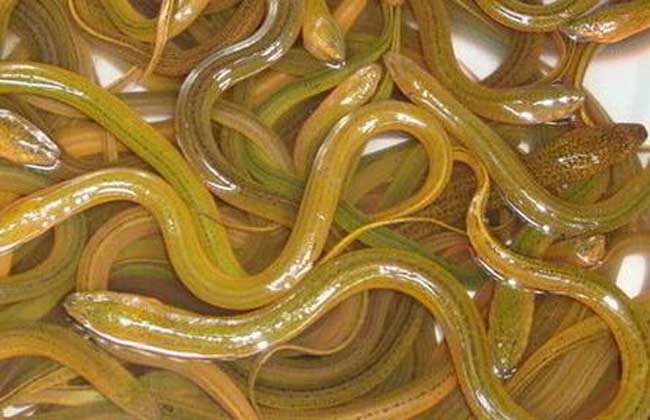
What is the current state of eel farming? A detailed explanation in one article
The current state of eel farming
-
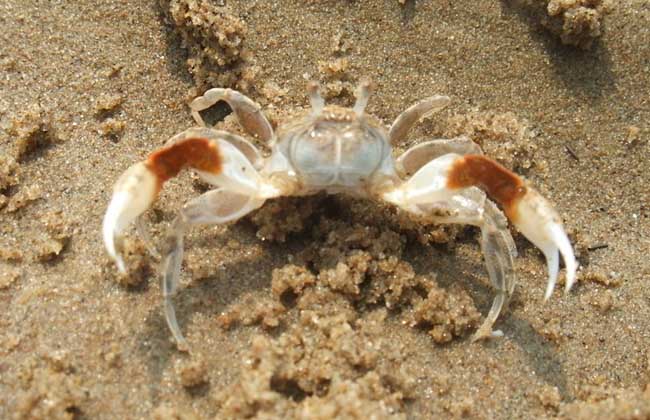
What is the current state of development of the crab farming industry?
The current state of development of the crab farming industry
条件筛选