-
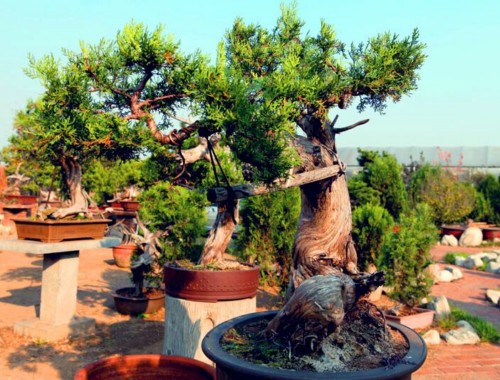
Essential Techniques and Styling Methods for Creating Chinese Arborvitae (Platycladus orientalis) Bonsai
Tip pinching and shari (deadwood) are important techniques that must be mastered in creating Chinese arborvitae bonsai. Tip pinching is essentially leaf pinching. Because the young branches of Chinese arborvitae develop from scale-like small leaves, removing the tender shoots and leaves can control rampant growth. At the same time, the tips are also the only choice for organizing the crown form, standardizing the tree's appearance, and beautifying the landscape.
-
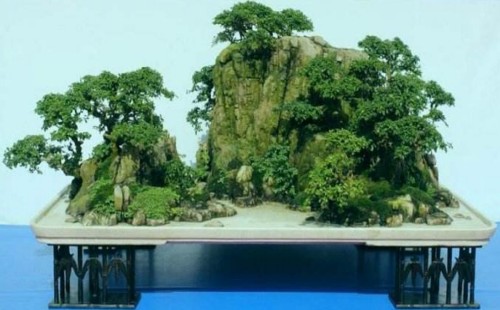
Detailed explanation of the steps for making a landscape bonsai, creating the "Fishing Alone in the Cold River Snow" scene
A landscape bonsai can be set up outdoors for viewing or placed indoors for appreciation, but before making it we must first clarify what theme the creation is meant to express, then conceive it according to the preliminary artistic effect, and then choose materials such as stones, plants, and even accessories
-
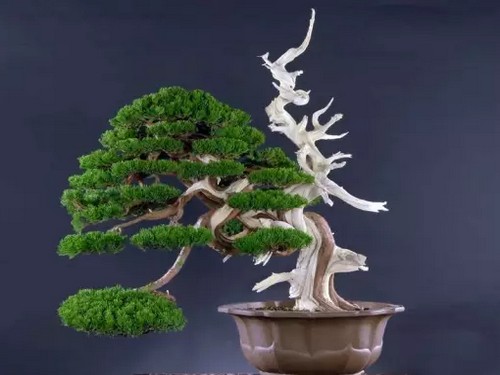
Detailed Guide to the Methods and Techniques for Creating Chinese Juniper Bonsai
Chinese juniper bonsai has long been famous in bonsai circles at home and abroad for its old trunks and gnarled branches, fine dense foliage and elegant posture. Especially in Japanese bonsai exhibitions, shari (deadwood) trunks made from century-old junipers are commonly seen, with white deadwood and red bark alternating, resembling a roaming dragon, vigorous and antique, truly possessing an immortal's bearing, and can be called a superior product among bonsai. Chinese juniper in the Taiwan, China potted plant community
-
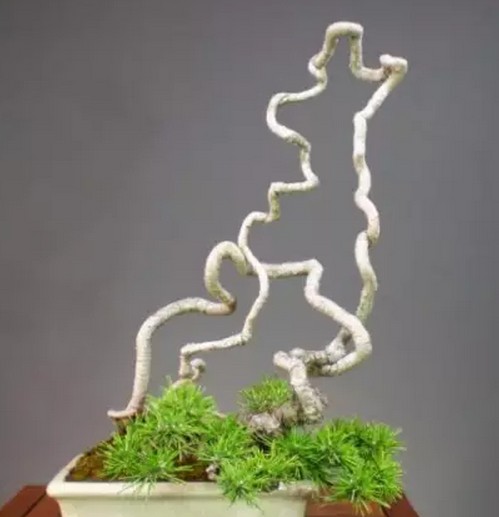
Detailed Explanation of the Method for Creating Exposed-Root Stump Bonsai
Roots are an important part of stump bonsai, and the distribution and shape of the roots directly affect the ornamental value of the bonsai. Through planned cultivation of the stump's roots, repotting, changing the soil, and changing the pot year by year, the roots are arranged during this process, the direction of root extension is controlled, and planting continues, gradually exposing the roots above the soil surface
-
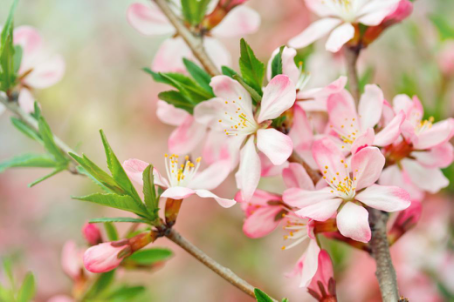
A detailed guide to bonsai-making methods, easily creating beautiful bonsai
So how do you make a peach blossom bonsai? First, you need to choose a peach blossom variety suitable for bonsai and reasonable trunks and branches. When styling an ornamental peach blossom bonsai, prune reasonably according to the tree's vigor and growth conditions to ensure the branches are attractively twisted and turning, promptly remove branches that affect the tree's shape, and keep the bonsai's appearance beautiful
-

Types of Cliff-Style Bonsai with Overhanging Momentum and Key Points to Note When Creating Them
The main tree species used for cliff-style bonsai with overhanging momentum include: Japanese white pine, Japanese black pine, orange jasmine, Chinese elm, Chinese plum yew, and littleleaf boxwood. The types can be divided into three kinds of bonsai: semi-cascade, full cascade, and inverted-hang style. Next, the editor will explain in detail the key content points of these three types of cliff-style bonsai with overhanging momentum and the points to note during creation.
-

Erythrina gall wasp becomes a new pest of ornamental plants, creating galls on trees that look like tumors
Among the list officially published and confirmed as new species in 2004, there is a tiny wasp named Erythrinagallwasp (EGW for short), known in China as the "Erythrina gall wasp." A "rising star" in the world of biological invasions
条件筛选