-

The three main causes of cotton diseases: climate, seeds and cultivation
The occurrence of cotton diseases is closely related to climate, seed quality and cultivation practices: low temperature and high humidity easily cause seed rot and sprout rot, poor-quality seeds produce weak seedlings, and continuous cropping, low-lying waterlogged land, rough land preparation and sowing too early all worsen the disease.
-
What Are the Growing Conditions for Cotton? Analysis of the Latest Cultivation Key Points
Cotton is the seed fiber of plants in the Gossypium genus of the Malvaceae family, native to the subtropics. The flowers the plant produces are creamy white or pink. What is commonly called cotton is the fiber inside the fruit that grows after flowering and bursts open when the fruit matures. It likes heat, loves light, tolerates drought, and dislikes
-
What are the latest precautions for cotton cultivation?
Cotton cultivation has its own unique growing methods, because cotton is the main raw material for making fabric and is used very widely in daily life; cotton needs to stay white, dry, free of disease, and soft. Therefore, during production and cultivation, attention must be paid to ensuring quality through some specific
-
How to Grow Cotton Rose Hibiscus? Detailed Guide to Cultivation Methods and Precautions
Cotton rose hibiscus, also known as hibiscus flower, frost-defying flower, wood lotus, ground hibiscus, and Chinese wood, is native to China and is a deciduous shrub in the Malvaceae family, Hibiscus genus. As the saying goes, "national beauty and heavenly fragrance" refers precisely to the cotton rose hibiscus. Below is an introduction to the cultivation methods and precautions for cotton rose hibiscus.
-
How can the boll-setting rate be increased in cotton cultivation?
Types of square and boll shedding in cotton include physiological shedding, shedding caused by pests and diseases, and shedding caused by mechanical damage. As for the causes of physiological shedding: first, excessive application of fertilizer and water causes excessive vegetative growth, with nutrients consumed too heavily in the early stage and supply falling short of demand in the later stage; second, excessive planting density in the cotton field causes severe shading by branches and leaves, reducing light, weakening photosynthesis, and decreasing the nutrients produced; third, some cotton fields are deficient in boron, causing cotton to flower but not set fruit; fourth, high temperature and drought, insufficient fertilizer and water, or excessively high temperatures cause cotton pollen sterility; fifth, frequent rainy weather leads to poor pollination. As for pest and disease damage, inadequate control of cotton mirids, cotton bollworms, Fusarium wilt and Verticillium wilt can easily lead to massive square and boll shedding. As for mechanical damage, it is mainly caused by improper operation during field management. In addition, in the past two years, blind application of herbicides has occasionally caused square and boll shedding.
-
Control Methods for Red Spider Mites in Cotton Cultivation
Cotton leaf mite, also known as cotton red spider, fire dragon, fire spider. It belongs to the class Arachnida, order Acariformes, family Tetranychidae. The main species causing serious damage are the red leaf mite, Jiang leaf mite, and two-spotted spider mite. The individuals are small and highly reproductive, breeding more than 10 generations per year, and harm plants by piercing and sucking with adult mites and nymphs.
-
How to Grow Cotton Rose Hibiscus? Detailed Guide to Cultivation Methods and Precautions
The cotton rose hibiscus is a flower variety mainly produced in our country, and it is well known for its high ornamental value. The cotton rose hibiscus is mainly appreciated for its flowers, which are relatively large and come in many colors, commonly including rose red, pink, and white. The cotton rose hibiscus attracts many
-
What conditions are needed for cotton cultivation?
Summary Light conditions: Cotton is suitable for growing under sufficient light conditions. Moisture conditions: The water requirement differs at each growth stage, so the amount of water applied needs to be reasonably controlled. Soil conditions: Cotton mainly obtains water and nutrients from the soil through its root system, therefore
-
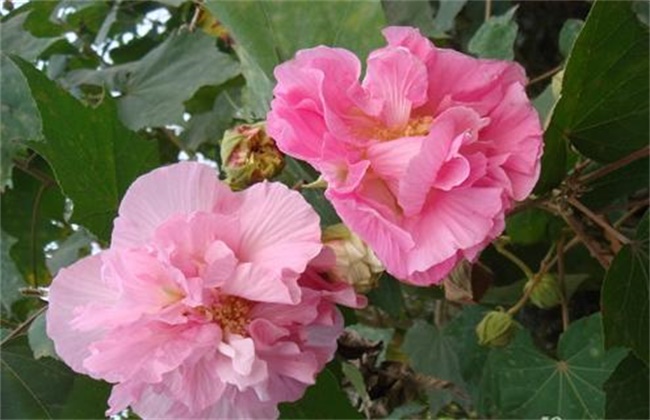
How to grow cotton rose hibiscus? Detailed guide to cultivation methods and precautions
Cotton rose hibiscus cultivation methods and precautions
-
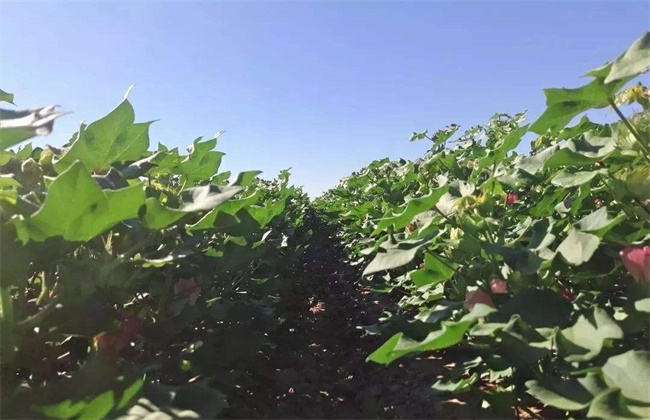
How is cotton cultivation managed? High-yield cotton cultivation techniques
How is cotton cultivation managed? High-yield cotton cultivation techniques
条件筛选