-

Why do business tycoons cross over and become new farmers?
Agriculture has truly been a hot field for industrial and commercial capital investment in recent years. Although many have tested the waters and few have succeeded, just the sensational effect caused by Liu's Peaches, Chu's Oranges and Pan's Apples is steadily prying open the thinking and structure of traditional agriculture. Overturning "tradition" - isn't that precisely the mission of the internet age?
-
Industrial tycoons going into farming must have long-term thinking
Investing in agriculture requires long-term thinking; only after enduring a fairly long investment and cultivation period can sustainable profits be formed. In this year's Chinese Super League, Guangzhou Evergrande won a fourth consecutive championship, and the "Kawawabear Infant Formula" printed on its jerseys attracted attention. After investing in mineral water, grain
-
How are earthworms and egg cocoons separated? Sharing farming experience
For earthworms raised in boxes or bed-raised earthworms in large farms, because feed is added many times, after 2 to 3 months, the feces pellets and earthworms need to be separated, and the egg cocoons laid in the feed also need to be separated from the feces pellets. The separation methods are as follows: 1) Basket-sifting method after several
-
How Silk Is Extracted from Silkworm Cocoons, Plus Types, Prices, and How to Tell Real from Fake
Silk is a continuous long fiber formed when the silk liquid secreted by a mature silkworm solidifies as it spins its cocoon. It is also called natural silk and is a natural fiber. So how is silk extracted from silkworm cocoons? How many types are there? Roughly how much does it cost per jin? How can you tell real from fake? From the Changsha Gaoqiao wholesale market
-
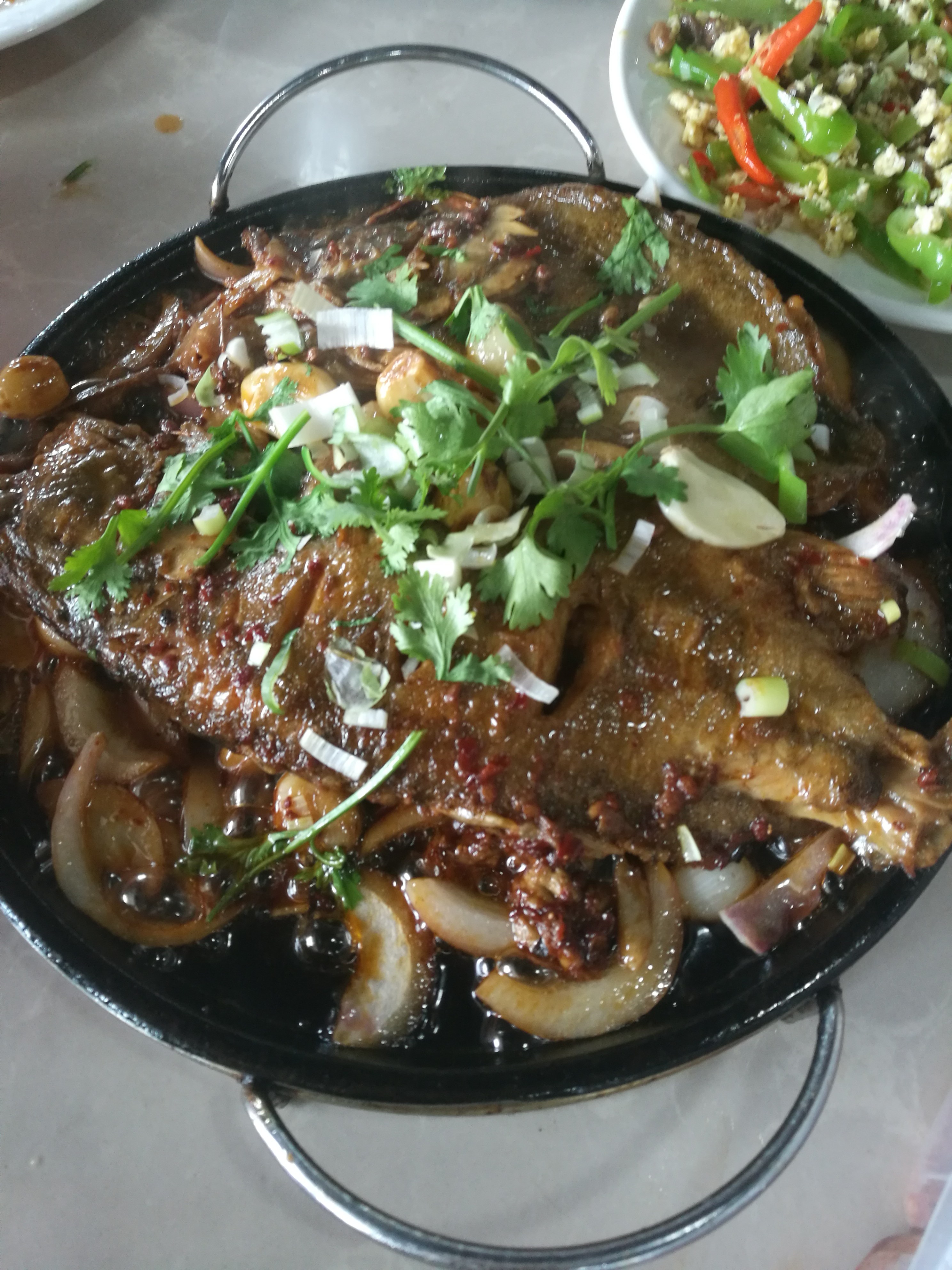
How many of these distinctive foods from Xiangcheng in Linyi have you tried: stinky mandarin fish, maodan (balut), and silkworm cocoons?
1. Stinky mandarin fish: although the fish smells a bit stinky, the meat is very tender and the taste is great! 2. Shaobing (baked flatbread): a leavened flatbread baked over charcoal, and as soon as it arrives you smell a very rich aroma. The bread is soft and tasty, with slightly crisp edges. 3. Silkworm...
-

How to Handle Silkworms After They Spin Cocoons? Key Management Points Silkworm Farmers Must Know
How to handle silkworms after they spin cocoons?
-
Why don't silkworms spin cocoons? An analysis of common causes
1. Pathological factors. For example, flacherie and soft rot are prone to infecting and causing disease before mounting, destroying the silkworm's silk gland secretion function, or the pathogen produces large amounts of toxic metabolites in the silkworm's body, paralyzing the silkworm's nerves so that it cannot spin silk and form a cocoon; 2. Physiological factors. First, abnormalities of the middle silk gland, mainly caused by rearing temperatures that are too high or too low, leaves that are too tender, or imbalance of the secretory glands, which causes silk gland abnormalities and prevents spinning; second, abnormalities of the anterior silk gland, mainly caused by exposure during rearing to excessive coal gas, fishy odors, alcohol and other harmful gases
-
What are the patterns of silkworms spinning silk and forming cocoons? A full explanation of the process
The life of a silkworm goes through 4 stages: egg, larva, pupa and adult. The larval stage of the silkworm is what people call the silkworm baby stage. What is usually called sericulture refers to the rearing of the larvae. From hatching to cocoon spinning, the larva must go through 4 molts. People therefore divide the course of the larva into 5 instars. During the period before molting, the silkworm does not eat or move, which is called sleeping. From the first to the fourth instar, the silkworm must sleep 4 times; in the later stage of the fifth instar, it no longer sleeps, but spins silk and forms a cocoon, and pupates inside the cocoon, thereby completing the larval stage of the silkworm. Newly hatched silkworms are called ant silkworms, and newly molted
-
What to Do If Silkworms Don't Spin Cocoons? Causes and Solutions
In silkworm rearing, the phenomenon of silkworms not spinning cocoons occurs from time to time, causing certain losses to sericulture production. First, the causes of silkworms not spinning cocoons must be identified, and then measures taken for prevention and control. The main causes are: 1. Pathological factors. For example, flacherie and soft rot infect and develop before mounting, destroying the secretory function of the silkworm's silk glands; or pathogens produce large amounts of toxic metabolites in the silkworm body, paralyzing the nerves so that the silkworm cannot spin silk and form a cocoon. 2. Physiological factors. Abnormal middle silk glands, mainly due to excessively high rearing temperature,
-
Technical measures to prevent the production of inferior cocoons in silkworm rearing
In silkworm rearing, selecting high-yield and high-quality cocoons is the key to a bountiful harvest. During the silkworm feeding process, many factors can produce large numbers of inferior cocoons and reduce @#@250@#@ benefits. In order to avoid producing inferior cocoons, increasing the rate of good cocoons and reducing the rate of inferior cocoons is an important step in further increasing the economic benefits of silkworm farmers. The relevant technical points for preventing inferior cocoons are briefly introduced as follows: 1 Strengthen feeding management 1.1 Rear young silkworms under plastic film mulching, which both keeps mulberry leaves fresh and encourages the larvae to feed readily, helping the larvae to eat their fill of good mulberry leaves and improve
条件筛选