-

Grain-to-Feed Conversion Becomes a New Choice for Major Grain Growers
Grain-to-Feed Conversion: A New Choice for Major Grain Growers
-
With greater efforts to promote grain-to-forage conversion, who will find opportunities to prosper?
Xiaogu Talks Policy Episode 10 | With greater efforts to promote "grain-to-forage conversion," who will get opportunities to prosper?
-
Detailed Explanation of Top Grafting and Variety Conversion Techniques for Huangjin Pear (Golden Pear)
Most varieties of the White Pear and Sand Pear systems can be converted to Huangjin Pear (Golden Pear). For top grafting of large trees, the first step is to determine the desired tree shape, then select the scaffold branches and the branches to be grafted based on the tree shape requirements. Saw off the original top of the branch to be grafted, and select scions of appropriate thickness for grafting. Use one-year-old branches as scions. In winter or spring, cut branches with plump buds and store them in a cold storage or in a pit dug in a shady spot layered with sand. Perform multiple-scion grafting in late March. Generally, for trees under 5 years old, graft 5-10 buds per tree; for 5-10 year old trees, graft 10
-
Technical approach for mixed planting of strip mulberry and black locust in the conversion of cropland to forest on the plains
The technical approach for mixed planting of strip mulberry and black locust in the conversion of cropland to forest on the plains is: create an ecological forest through mixed planting of trees and shrubs, achieve a scientific and rational configuration of tree species, increase tree species diversity, focus on windbreak and sand fixation, use mulberry leaves for sericulture, and use mulberry twigs for weaving or papermaking; if fruit mulberry is planted, the mulberries can be eaten fresh or used to brew juice, which can achieve relatively high economic and social benefits.
-
Color conversion of shiitake mushroom logs is crucial and growers must not neglect it
When the shiitake mycelium has fully colonized the bag and reached a certain physiological maturity, the aeration, light, temperature and humidity of its growing environment are artificially regulated so that all the aerial mycelium on the surface of the substrate lies down and secretes pigments; the color of the substrate surface gradually changes from dense white and pale white to light brown and then to brown and dark brown, finally forming a brown fungal film that combines multiple functions such as insulation, moisture retention, light exclusion and resistance to contaminating microorganisms. This process is called color conversion. The depth of color and the thickness of the fungal film in shiitake log color conversion are closely related to the fruiting time, fruiting yield and mushroom quality. Under general conditions
-
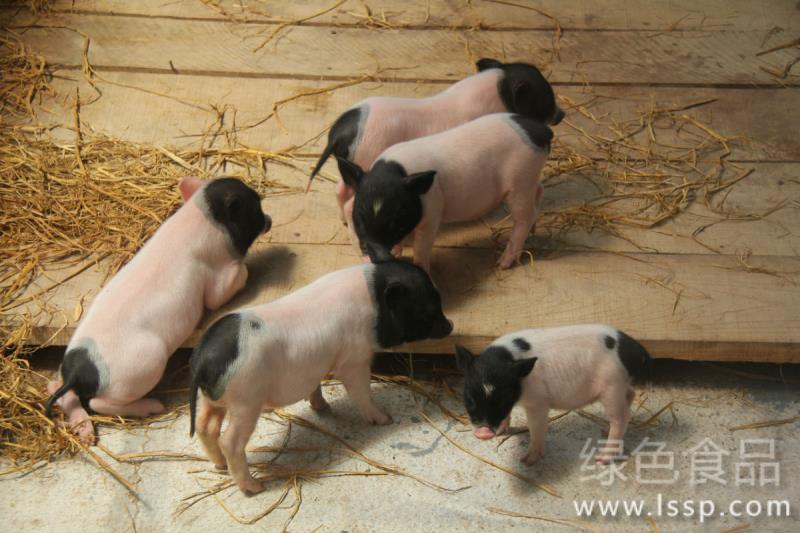
Xiang pigs are easy to raise and have a high feed conversion rate. What are the points to note in raising them?
Xiang pigs are easy to raise and have a high feed conversion rate: points to note in raising miniature Xiang pigs
-
Pig Farm Deworming Plan: How to Deworm on a Pig Farm? How Pig Farms Can Improve Feed Conversion Rate Through Deworming
How can pig farms improve feed conversion rate through deworming?
-
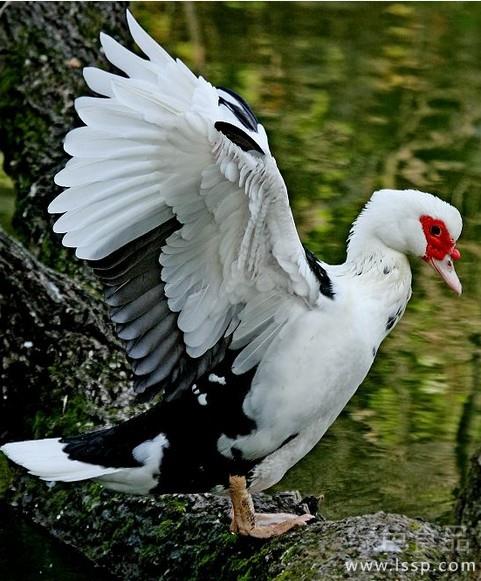
How to raise Muscovy ducks for a high survival rate, high feed conversion, and good economic returns
How to raise Muscovy ducks for high survival rate, high feed conversion and good economic returns
-
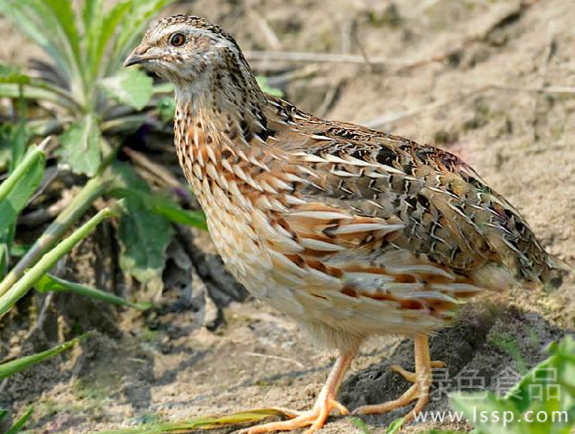
How to Improve Weight Gain, Feed Conversion Ratio and Economic Benefits in Artificially Reared Quail
Weight gain feed conversion ratio improvement artificially reared quail economic benefits
-
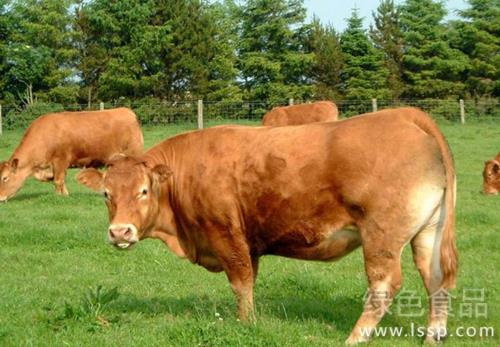
Fattening beef cattle with poor appetite and low feed conversion rates should be dewormed and have their stomachs strengthened in good time
Cattle with poor appetite and low feed conversion rates: fattening beef cattle need deworming and stomach strengthening
条件筛选