Fattening beef cattle with poor appetite and low feed conversion rates should be dewormed and have their stomachs strengthened in good time
Because crossbred yellow cattle and crossbred water buffalo have high lean meat rates, large frames, fast growth and development, and good economic returns, cattle breed improvement technology has gradually been promoted in various places in recent years. Specialized households fattening crossbred beef cattle have sprung up like bamboo shoots after rain, but because some cattle farmers lack feeding and management skills, especially paying no attention to or not understanding deworming and stomach strengthening for fattening beef cattle, productivity is low and profits suffer.
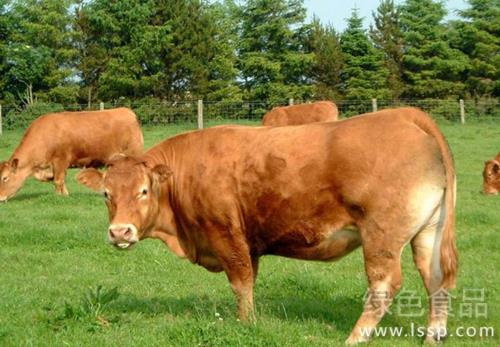
Beef cattle
1. The importance of deworming and stomach strengthening for fattening beef cattle: because beef cattle eat roughage, pasture grass and so on and often come into contact with the ground, they are often infected with various nematodes, and their bodies are also susceptible to external parasites such as lice, mites, ticks and fly maggots. After beef cattle are infected with parasites, the feed conversion rate decreases, mainly because of poor appetite and low efficiency in absorbing protein and energy, and the quality and weight gain of beef cattle also decline, which in turn affects the economic returns from beef cattle. For this reason, beef cattle need deworming during the pre-feeding period before fattening in order to improve the economic returns from fattening beef cattle.
2. Specific methods and steps: 1. Deworming is best carried out in the afternoon or evening, so that the beef cattle pass the worms during the daytime of the 2nd day, making them easy to collect and handle. During deworming, the beef cattle should be fasting; several hours before dosing, food should be withheld and only drinking water given, to aid drug absorption and improve efficacy. After deworming, the beef cattle should be kept isolated for two weeks, and their manure must be disinfected and treated harmlessly; 2. For internal deworming, give 10 mg albendazole per kilogram of body weight orally once, or 7.5-10 mg levamisole hydrochloride, taken on an empty stomach. Where Fasciola hepatica is present, deworming can use niclofolan and the like. In addition, adding 0.5 kg fenbendazole per ton of feed for beef cattle, with normal feeding methods, can expel internal and external parasites from beef cattle. Note that the deworming drug must be mixed evenly. 3. For external parasites, a 2-5% aqueous solution of trichlorfon can be applied to the cattle's body by rubbing. Note: do not increase the dose at will; if adverse reactions are found, stop the drug immediately, and beef cattle with severe symptoms should be treated by a veterinarian. 4. Stomach strengthening: 3 days after deworming, to increase appetite and improve digestive function, stomach strengthening should be carried out once. There are many methods: give each beef animal 60-100 g of artificial salt orally, or administer 350-450 g of stomach-strengthening powder, once a day for 2 consecutive days. For individual thin and weak beef cattle, after administering the stomach-strengthening powder, also administer yeast powder, once a day, 250 g each time, or feed 50-100 yeast tablets. A decoction can be made with 75 g Cyperus rotundus, 50 g dried tangerine peel, 75 g radish seed, 75 g bitter orange, 5 g Poria cocos, 100 g hawthorn, 100 g medicated leaven, 100 g malt, 50 g betel nut, 50 g green tangerine peel, 50 g Lindera aggregata and 50 g licorice, decocted in water and taken once; 1 dose per beef animal per day for 2 days, which can enhance the appetite of beef cattle.
3. Precautions: 1. Newly housed beef cattle are prone to stress due to environmental changes, transport, fright and other reasons; a small amount of salt and brown sugar can be added to their drinking water for 1 week, and they should be fed more green grass or green hay. After 2 days, add a small amount of wheat bran and make the transition gradually, observing the beef cattle's feeding, excretion and mental state, and carry out deworming and stomach strengthening only after the beef cattle have stabilised. After stomach strengthening, the beef cattle are in good spirits and have a strong appetite. If some beef cattle still have poor appetite, each can be fed 50 dry yeast tablets. If the beef cattle's manure is dry, each can be fed 20-30 g of a multivitamin preparation and a small amount of vegetable oil.