How to Improve Weight Gain, Feed Conversion Ratio and Economic Benefits in Artificially Reared Quail
Meat quail refers to quail whose meat is edible, mainly including meat-type young quail, young quail from crosses between meat-type and egg-type birds, and egg-type quail that require fattening before being marketed. The purpose of artificial rearing and management of meat quail is to obtain the best weight gain, feed conversion ratio and high economic benefits.
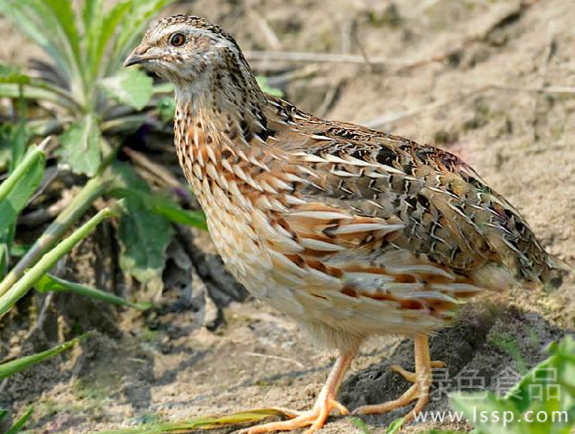
Quail
1. Reasonable feeding.For meat quail, the feed nutrition used during the brooding period is generally used in the first three weeks, and the energy content in the later feed should be appropriately increased. Generally, they are fed ad libitum and given free access to water. When changing feed, in order to make the feed change reasonable and avoid causing a brief effect on quail growth, it is best to feed the quail a mixture of two parts brooding feed and one part growing feed three days before the change, then feed the quail a mixture of one part brooding feed and two parts fattening feed for another three days, and finally the fattening feed.
2. Reasonable temperature, light and density.The heat preservation for meat quail is similar to that for brooding quail, mainly "adjusting temperature according to the quail". If the temperature is too low, feed intake will increase and the feed conversion ratio will decrease. Meat quail should be kept under dim light; if the light is too strong, problems such as feather pecking and flock panic are likely to occur. The rearing density can be appropriately slightly higher than that of breeding quail and egg-type quail.
3. Reasonable grouping.Meat quail are generally reared with males and females grouped separately. If it is difficult to distinguish them at birth, after 1 month of age they still need to be grouped by sex, size and strength for rearing and fattening. Keeping males and females in the same cage will lead to mating behavior among the males and cause restlessness. Grouped rearing can also improve uniformity at marketing, reduce the rate of defective birds and improve the feed-to-weight ratio.