-

Color conversion of shiitake mushroom logs is crucial and growers must not neglect it
When the shiitake mycelium has fully colonized the bag and reached a certain physiological maturity, the aeration, light, temperature and humidity of its growing environment are artificially regulated so that all the aerial mycelium on the surface of the substrate lies down and secretes pigments; the color of the substrate surface gradually changes from dense white and pale white to light brown and then to brown and dark brown, finally forming a brown fungal film that combines multiple functions such as insulation, moisture retention, light exclusion and resistance to contaminating microorganisms. This process is called color conversion. The depth of color and the thickness of the fungal film in shiitake log color conversion are closely related to the fruiting time, fruiting yield and mushroom quality. Under general conditions
-
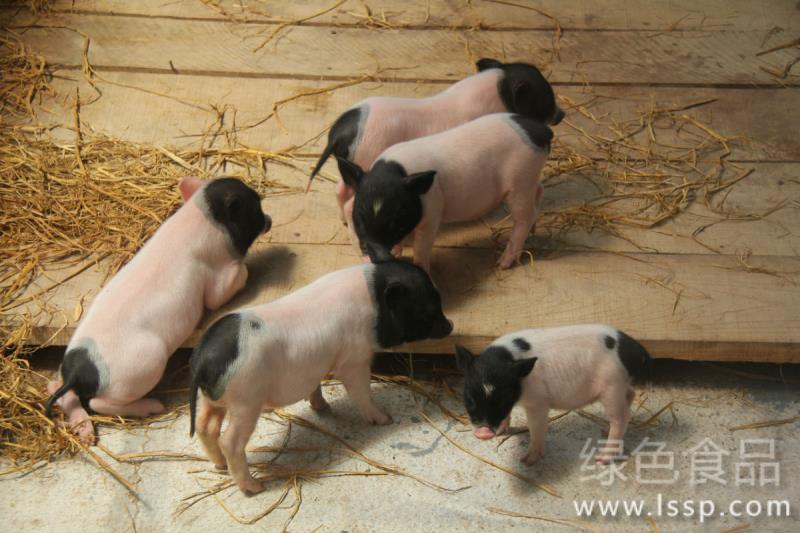
Xiang pigs are easy to raise and have a high feed conversion rate. What are the points to note in raising them?
Xiang pigs are easy to raise and have a high feed conversion rate: points to note in raising miniature Xiang pigs
-
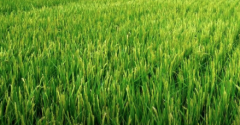
Rice policy promotes first-crop rotation and second-crop conversion to landscape crops to stabilize production and sales
At present, the area of first-crop and second-crop rice paddies in our country is about more than 270,000 hectares. Council of Agriculture Minister Chen Chi-chung said in an interview after a press conference on the 24th that, according to estimates by the Agriculture and Food Agency, the rice paddy area must fall to about 250,000 hectares to stabilize market supply and demand. Therefore, the Council of Agriculture is promoting measures such as the "Industrial Adjustment of First-Crop Rice in Water Resource Competitive-Use Areas" and the "Promotion of Converting Rice Paddies in the Second Crop to Landscape Crops," hoping to reduce the rice cultivation area and stabilize rice production and sales.
-
How Do You Convert Pesticide Dilution Ratios When Mixing with Water? A Detailed Guide to the Correct Way to Dilute Pesticides
When it comes to dilution during the use of pesticides, many farming friends say they find it confusing. Today, the editor has put together a super detailed pesticide dilution conversion method for you, hoping it will be helpful to farming friends. Be sure to save it! 1. Dilution methods: percentage concentration
-
10 provinces and regions launch pilot projects for converting grain to forage, industry calls for deeper progress
For grain farmers, the 2015 autumn grain harvest season was a bit cold: as soon as the new corn hit the market, it suddenly encountered relatively sharp grain price fluctuations, and not only did the income they had expected shrink, but in some areas it also became difficult to sell grain. Yet amid the cold winter, a glimmer of brightness also appeared.
-
Detailed Explanation of the Key Techniques for Top-Grafting and Cultivar Conversion of Chinese Bayberry
1. Technical essentials (1) Timing: In Zhejiang, mid-March to early April is suitable. (2) Scion selection: National regulations stipulate that any variety that has passed appraisal and recognition may be used as a top-grafting variety, but the most widely used one in various regions is: Dongkui Chinese bayberry; because in addition to its exceptionally large fruit,
-
Detailed Explanation of the Top-Grafting and Variety-Conversion Method for Chestnut Trees and Post-Grafting Management
Chestnut (scientific name: Castanea mollissima), also known as li, chestnut, chestnut seed, and fengla, is a plant of the genus Castanea in the family Fagaceae. It is native to China and distributed in Vietnam, Taiwan, China, and the mainland region of China. It grows in areas at an altitude of 370-2800 m, is mostly found in mountainous areas, and has been widely cultivated by humans.
-
How should the "grain-to-feed" conversion be carried out? Actively explore development paths suited to actual conditions
This year's Central Document No. 1 clearly proposed accelerating the development of the grass-based livestock industry and carrying out pilot projects for grain-to-feed conversion and the integrated crop-livestock model. This year's government work report also made specific arrangements for this. Vigorously promoting grain-to-feed conversion, with the adjustment of corn planting structure as the focus, advancing the shift of grain crop planting toward forage crop planting
-
Minister of Agriculture: Farmland must never be converted to non-agricultural use; farmers may move into non-agricultural work
Qiushi, Issue 19 of 2014, published a signed article by Minister of Agriculture Han Changfu, stating that the national food security strategy under the new situation must be fully implemented. The article points out that we must resolutely hold the lifeline of farmland. This is where the lifeblood of national food security lies. Farmland
-
Corn Becomes the Focus of Structural Adjustment: A Third of the Nation's Corn Acreage May Be Converted from Grain to Forage
In Shandong, a major grain-planting province, more than 80% of grain corn is used as livestock feed, while the nation's feed grain still depends on imports of 100 million tonnes per year. Under the food security strategy, grain used for livestock feed has been brought into policy consideration. In a recent public
条件筛选