-
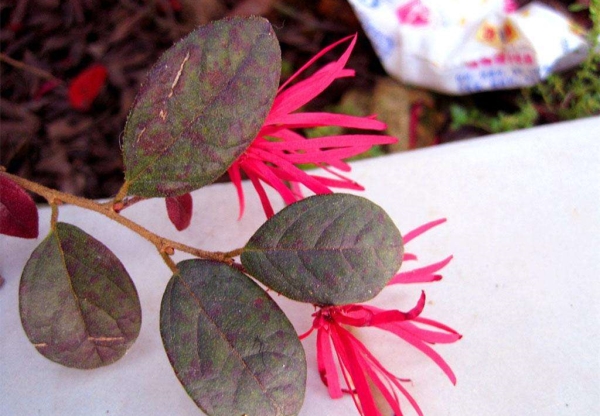
A Detailed Guide to Controlling Diseases of the Chinese Fringe Flower (Loropetalum chinense var. rubrum)
For anthracnose, if diseased leaves are found on the Chinese fringe flower, we should deal with them immediately, destroy the diseased leaves to prevent infection, improve drainage conditions, create a good ventilation environment, and carry out chemical treatment. For damping-off, we should replace the soil of the Chinese fringe flower and replant it in new soil.
-
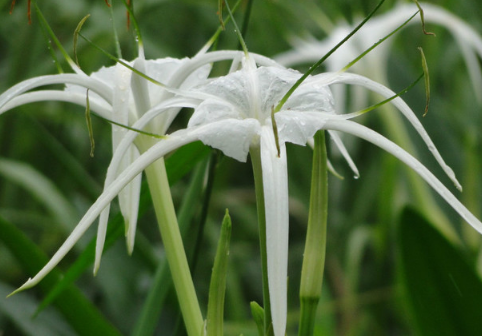
A Detailed Guide to Identifying and Controlling Common Diseases of the Spider Lily
Anthracnose symptoms: Anthracnose is a fungal disease that mainly affects the leaves of the plant and is highly detrimental to its growth. Control methods: Promptly prune and burn the diseased leaves. Before flowering in spring, spray a 600-fold dilution of 40% sulfur-carbendazim suspension. Keep the environment moist and avoid over-applying nitrogen fertilizer.
-
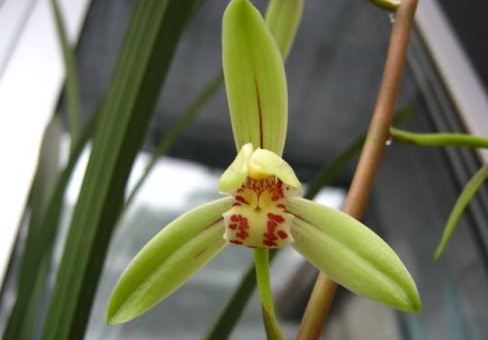
A Complete Analysis of Methods and Techniques for Preventing and Controlling Pests and Diseases in Cymbidium ensifolium
1. Southern blight symptoms: Southern blight mostly occurs during the plum rain season, mainly harming the rhizome part of the plant, causing the roots to rot and die. There will be white fungal colonies on the soil surface, the plant gradually lodges, and the plant withers. Solution: After the disease occurs, replace the soil promptly, sprinkle in lime, wash and cut off the diseased plant parts, and disinfect them
-

What are the methods for controlling poinsettia diseases?
1. Gray mold Symptoms: Gray mold often occurs during the winter flowering season. Once there is continuous rainy, sunless weather, gray mold becomes increasingly severe, with brown spots appearing on leaves, branches, and flower clusters, spreading throughout the entire plant as the disease worsens. Control methods: In winter, cultivation management should be strengthened.
-
What are the methods for controlling pests and diseases of poinsettia?
1. Poinsettia gray mold Symptoms: After the inflorescence is infected by the pathogen, it initially shows grayish-brown spots, then rapidly wilts and rots. The pathogen then spreads along the flower stalk and begins to damage the flowering branches, causing the young twigs to die, turning yellowish-brown, and often producing grayish-brown mold-like growth on them. Control methods: Maintain a suitable temperature for poinsettia
-

What are the methods for controlling pests and diseases in mustard greens?
Pest and disease control methods for mustard greens
-
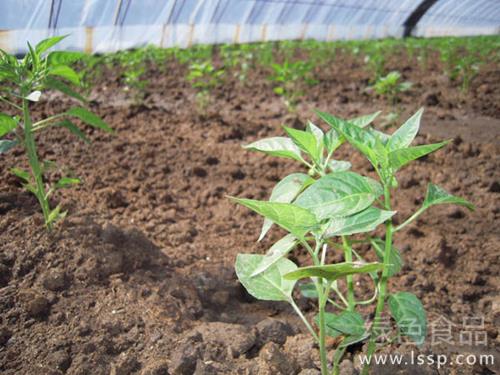
When transplanting bell peppers, pay attention to shading and cooling, and to preventing and controlling pests and diseases
Shading, cooling, pest and disease control: points to note when transplanting bell peppers
-

-

What are the common methods for controlling celery pests and diseases?
Common celery pest and disease control
-

A Detailed Guide to Controlling Common Diseases of Cilantro
How to Control Common Diseases of Cilantro
条件筛选