-

Illustrated Guide to Symptoms and Control Methods of Southern Blight in Plants
Southern blight, also known as sclerotial root rot and sclerotial seedling blight, affects the root crown of seedlings and young trees. It mainly damages many tree species such as oil tea (Camellia oleifera), tung tree (Vernicia fordii), catalpa (Catalpa), citrus, apple, Chinese parasol (Firmiana simplex), paulownia, walnut, and Masson pine (Pinus massoniana), and can also cause disease in many crops such as peanut and scallion.
-
Common Pests and Diseases of Stock (Matthiola incana) and Their Control Techniques
Stock is native to southern Europe and the Mediterranean coast. It is often introduced in major cities in southern China, and in the north it is planted in garden flower beds or greenhouses for ornamental purposes. During cultivation it is often harmed by pests and diseases. Its main diseases include stock wilt, stock verticillium wilt, stock white rust, and stock mosaic virus.
-
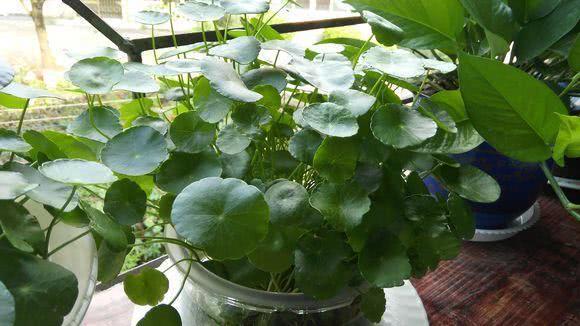
Add a little of this to the pennywort pot, and its leaves will grow round, plump and lush, growing like crazy beyond control
Usually when people grow potted flowers, besides soil culture they also like to grow some plants in water. Among these water-grown plants, pennywort (Hydrocotyle vulgaris) is very popular. The name of pennywort is very auspicious, and its leaves are round, looking...
-
Cultivation Methods and Key Points of Pest and Disease Control for Lycoris aurea
Lycoris aurea, also known as Iron-Colored Arrow and Yellow-Flowered Stone Garlic, is a perennial herbaceous plant of the genus Lycoris in the Amaryllidaceae family. In landscaping, it can be used as understory ground cover flowers, planted in groups in flower borders, or naturally planted among rocks. Because it blooms when it has no leaves, it is best paired with other shade-tolerant herbaceous plants. It has characteristics such as sturdy scapes and long flower stems.
-
How to Grow Pilea: Easy Care Methods and Tips for Beginners
How do you grow pilea? This article covers the growing habits of pilea, how to propagate it by division and cuttings, plus key points on watering and fertilizing, pruning and shaping, and pest and disease control, to help you easily grow an elegant, finely patterned indoor foliage plant.
-

What causes rotten heart in celery? Detailed explanation of causes and prevention and control methods
Causes of rotten heart in celery and prevention and control methods
-

What to Do About Nutrient Deficiency in Corn? Common Symptoms and Control Methods
Symptoms and Control Methods of Common Nutrient Deficiencies in Corn
-
How to prevent and control black stem disease in Gastrodia elata flower stems? Detailed explanation of causes and symptoms
Black stem disease in Gastrodia elata flower stems mainly occurs in the tubers and flower stems of sexual reproduction of Gastrodia elata, and is an important disease of sexually reproduced flower stems of Gastrodia elata. Through pathological testing, the pathogen of black stem disease in Gastrodia elata flower stems is the fungus Fusarium oxysporum. Let us take a look together at the prevention and control methods for Gastrodia elata flower stem disease.
-
What to Do When an Orchid Gets Southern Blight? Symptoms and Control Methods Explained
Orchid southern blight is one of the main diseases of orchids, also known as white silk disease, sclerotium disease, etc. Its damage is second only to anthracnose, but once it occurs, the harm and losses it causes will far exceed those of anthracnose. It usually begins infecting in April to May, with the peak incidence from June to August. The disease develops rapidly, causing the affected orchid plants to rot, wither and die.
-
A Detailed Guide to Identifying Symptoms and Control Methods of Goji Berry Powdery Mildew
Goji berry powdery mildew, also known as goji berry leaf spot, mainly damages leaves and fruits. When leaves are infected, circular to nearly circular lesions initially appear, 2 to 4 mm in size, with brown edges and grayish-white centers. Black-gray mold-like growth often appears on the underside of the leaves. Infected fruits also develop similar symptoms.
条件筛选