-

Application and Purchasing Points of Solar Insecticidal Lamps in Facility Agriculture
Solar insecticidal lamps are a good helper for green prevention and control in facility agriculture. This article explains their light-lure and electric-shock insect-killing principle, key points for installation and use, and purchasing considerations, helping growers spray less pesticide and control pests scientifically.
-
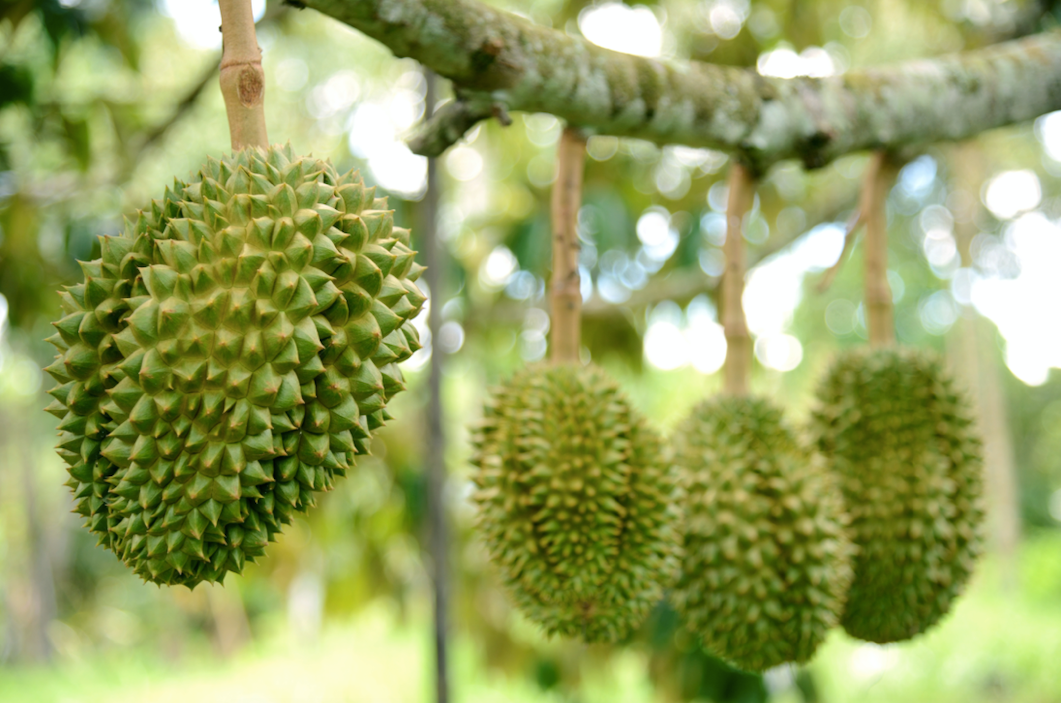
Malaysian Tree-Ripened Durians Arrive in Dalian by Sea After 12 Days, Controlled-Atmosphere Preservation Replaces Air Freight
2 tons of Malaysian tree-ripened durians arrived at Dalian Port after a 12-day sea voyage; the controlled-atmosphere container preservation technology trial shipment succeeded, and large-volume sea freight is expected to significantly reduce durian export logistics costs.
-

What to Do About Small Bugs in Phalaenopsis Orchids? Pest Pictures and Control Methods
Walking into a flower shop, most shopkeepers will recommend Phalaenopsis orchids to you, because they look beautiful and easily give people a sense of closeness. However, when introducing them, many shopkeepers will only briefly mention their care points, and few teach you how to prevent pests and how to drive away unknown small insects. Generally speaking, Phalaeno
-

How to control thrips on Phalaenopsis orchids? With photos of leaf damage
I believe friends who love growing plants have all seen a bug called "thrips"; their little rear ends stick up, and when they fly they come in strings. For flowers, these little things are the most feared, because they are tiny and very good at hiding among plants. In terms of care, if you find thrips always flying around your home,
-
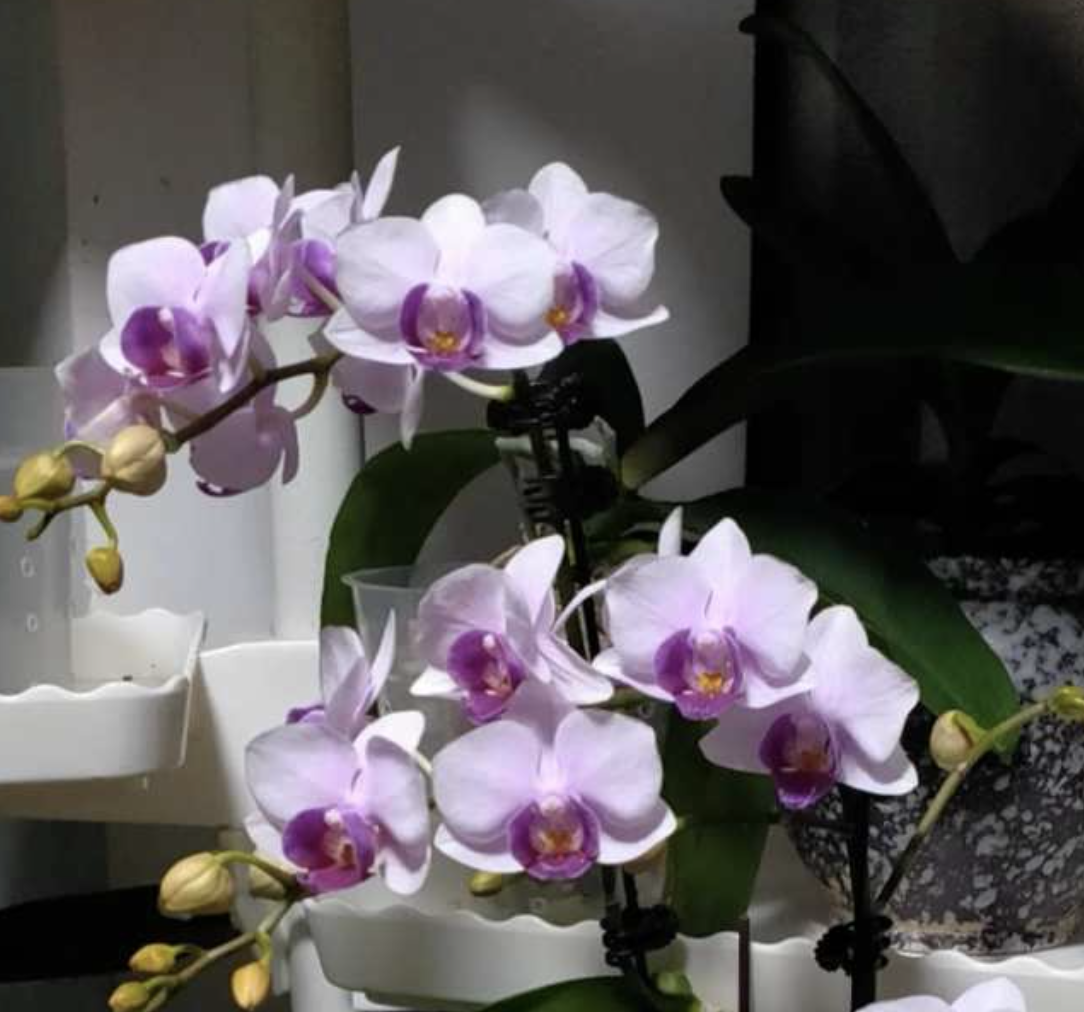
How to best prevent and control thrips on Phalaenopsis orchids?
Those who enjoy growing plants may have encountered a pest called "thrips." They have tiny bodies and tend to fly in groups. For flowers, these little
-

How to care for an old bougainvillea trunk so it blooms abundantly? Control light and temperature like this
Gardeners who grow bougainvillea know that once an old trunk is well established, it bursts into glorious bloom all over its branches when it flowers, so impressive! But if you want the old trunk to grow strong and bloom vigorously, you need to get the details right, including light, watering, fertilizing and pruning, and especially pest and disease prevention in advance. How exactly to do it? Let's go through it bit by bit. Light and temperature:
-

When does the high-incidence period for Phalaenopsis pests and diseases occur, and what should be noted for prevention and control?
When it comes to Phalaenopsis (moth orchid), the flowers are certainly beautiful, but if pests and diseases strike, that is really frustrating. Many people wonder why a perfectly healthy flower suddenly wilts while they are caring for it. In fact, its illnesses are not without patterns, and there are certain periods when problems are especially likely to arise. The transition between spring and autumn each year is when Phalaenopsis pests and diseases
-
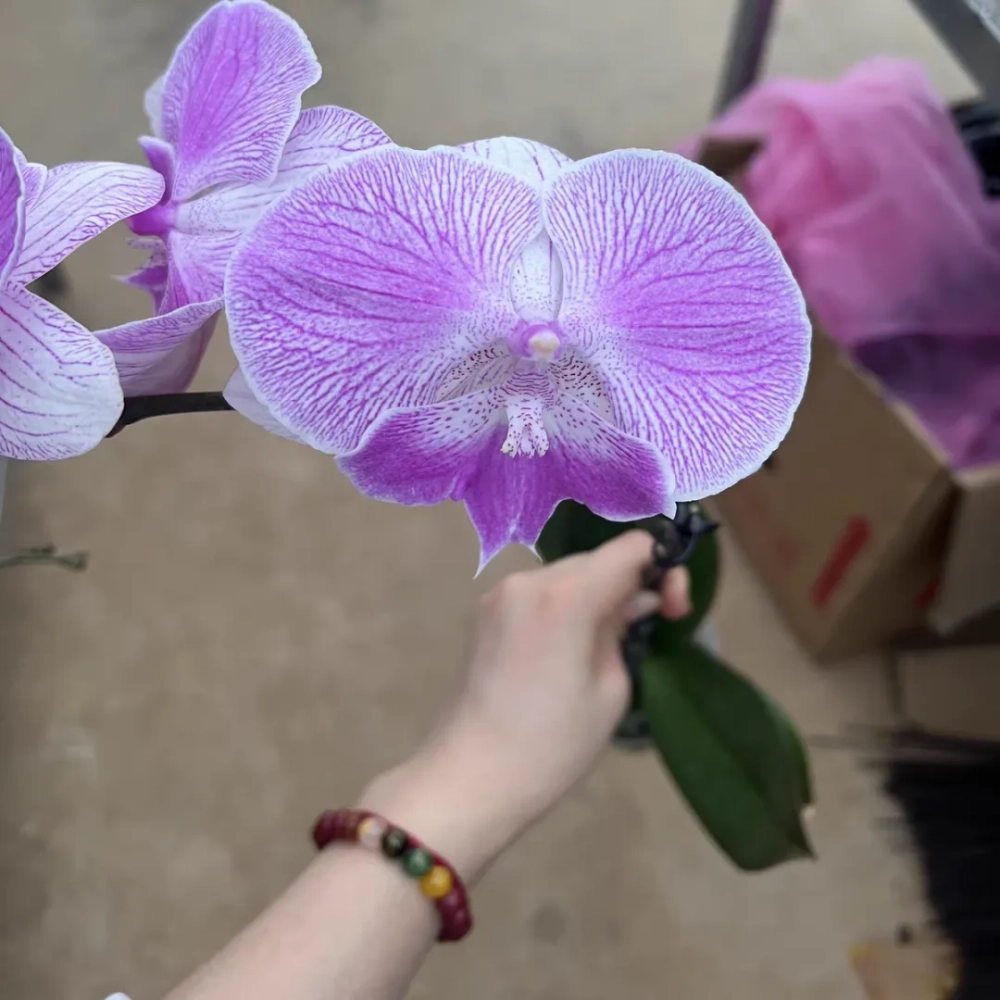
How to properly control the humidity for Phalaenopsis?
Anyone who grows Phalaenopsis at home knows that this little plant is quite delicate, especially when it comes to humidity—it has no low requirements at all.
-
Phalaenopsis humidity control methods and care precautions
Anyone who grows Phalaenopsis at home surely knows that this little thing is quite delicate, especially when it comes to humidity, and its requirements are not low at all. Today I will explain in detail how to maintain the humidity for Phalaenopsis. Phalaenopsis is a tropical plant, and the most suitable humidity range for its growth is generally between 50% - 70%.
-

Causes and Control Methods of Southern Blight in Phalaenopsis Orchids
Fellow plant lovers probably all know that the flower most prone to disease is the "rose," but even so, many people on the market still like to grow it, because rose blooms have overlapping petals that look beautiful and are very pleasing to the eye when placed at home. In recent years, the market has quietly begun to change, roses have become less popular, and in their place is the "phalaenopsis orchid," for a simple reason: the flower shape is attractive, and it is not very prone to disease.
条件筛选