-

Agricultural control methods and techniques for edible mushroom diseases and pests
Agricultural control of edible mushroom diseases and pests
-
Common Pest and Disease Types of Potted Flowers and Their Control Methods
What are the pests and diseases of potted flowers and how to control them
-
Detailed Explanation of the Symptoms, Development Patterns and Control Methods of Orchid Leaf Spot Disease
Symptoms, Development Patterns and Control Methods of Orchid Leaf Spot Disease
-
Control Methods for Mushroom Pests in Autumn and Winter
Control of Mushroom Pests in Autumn and Winter
-

Comprehensive control methods for bacterial brown blotch disease in edible fungi
How much do you know about comprehensive control of bacterial brown blotch disease in edible fungi?
-
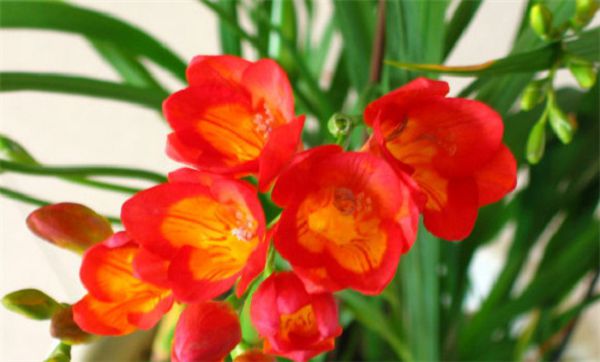
How to control the flowering period of freesia? Sharing a few practical regulation methods
Methods for controlling the flowering period of freesia, how to control the flowering period of freesia
-
What Are the Symptoms of Walnut Anthracnose? A Detailed Guide to Prevention and Control Methods
1. Distribution and occurrence characteristics Walnut anthracnose generally occurs mostly from June to August, with slight variations from place to place. In Jiangsu, Henan and Shandong it occurs from late June to early July, and in Hebei and Liaoning in August. The pathogen overwinters as mycelium and conidia in diseased fruits, diseased leaves or bud scales, and the following
-
Symptom Identification and Control Methods of Walnut Bacterial Blight
1. Distribution and Occurrence Characteristics Widely distributed in walnut-producing areas such as Hebei, Shandong, Shanxi, Liaoning, Henan, Jiangsu, Zhejiang, Sichuan, Yunnan, Shanxi, and Gansu, with severe incidence in some areas. Infection generally begins in mid-to-late May. The pathogenic bacteria overwinter in the lesions of diseased branch tips or in diseased buds. In the spring of the following year, the bacteria spread by wind and rain splashing onto leaves, fruits, and young branches, causing damage. The pathogen can infect floral organs, so pollen can also carry the bacteria, and insects are also vectors. The bacteria invade through stomata, lenticels, nectaries, and various wounds. Under conditions of sufficient humidity, temperatures within the range of 4-30°C can cause infection of leaves, and 5-27°C can cause infection of fruits. The incubation period varies in different parts: 5-34 days on fruits and 8-18 days on leaves.
-
Symptom Identification and Control Methods of Walnut Rot Disease
1. Distribution and occurrence characteristics. Also known as black water disease, it occurs in Henan, Shanxi, Shandong, Sichuan and other places. The pathogen overwinters in the diseased parts as mycelium or stroma and pycnidia. After the sap of the walnut tree begins to flow the following spring, when suitable conditions for disease development occur, conidia are produced,
-
Occurrence Characteristics and Control Methods of Walnut Canker
1. Distribution and occurrence characteristics. It is distributed in most walnut-producing areas. The pathogen mainly overwinters as mycelium within the diseased tissue of the current year. In April of the following year, when the temperature rises to 11.4-15.3°C, it begins to become active. In late May, conidia are formed in large numbers and spread by wind, rain, and other means, mostly invading through wounds
条件筛选