-

Control Methods for the Common Guava Disease Southern Blight
What should you do when guava develops southern blight, how should you control it, and what do the symptoms look like? Let's take a look together. Symptoms: After guava varieties are harmed by the southern blight pathogen, besides differences in resistance, the symptoms also vary slightly. Generally, after infection with southern blight,
-
Symptom Identification and Chemical Control Methods for Guava Scab
What do the symptoms of guava scab look like, and how should it be treated? Do you know? Let's take a look together. Symptoms: When first infected, the lesions are round and slightly raised, with a rough, cracked surface like a scab, brown in color, with the edges a light brown or earthy yellow hue, large
-
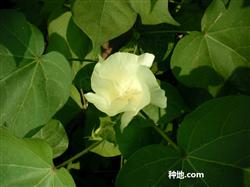
What are the control methods for the cotton stem borer (Zeuzera coffeae) in cotton?
What diseases occur during the boll stage of cotton? How should they be controlled? How are cotton boll-stage diseases controlled? The occurrence of cotton boll-stage diseases is closely related to climate, variety, insect pests, and cultivation techniques during the growth period. Therefore, the control of cotton boll-stage diseases should adopt comprehensive control measures focused on cultivation management, combined with chemical protection. (...
-
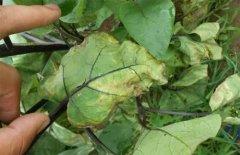
Eggplant Verticillium Wilt: Symptom Identification and Control Methods
Verticillium wilt is one of the major diseases in the growth of eggplant, and this disease is becoming more and more serious, and the worsening of this disease has also seriously affected the yield and quality of eggplant. Therefore, chemical control should be carried out according to the characteristics of the occurrence of this disease. How exactly should it be done
-
Symptoms and Control Methods of Polygonatum Leaf Spot Disease
The disease begins in April to May. On affected leaves, elliptical or irregular lesions first appear at the leaf tip, with brownish outer edges and pale white centers; the disease spreads downward from the lesions, causing the leaves to wither and die. The disease is more severe during the rainy season. Control methods: 1) After harvest, clean the field and garden, gather the dead branches and diseased plant debris and burn them to eliminate the overwintering pathogen. 2) Before the disease occurs and in the early stages, spray 1:1:100 Bordeaux mixture, or 50% Tuzet (thiram) 1000x solution, once every 7 to 10 days, for 3 to 4 consecutive sprays.
-
What are the control methods for common tulip diseases?
Tulip, also known as "foreign lotus," is a bulbous flower of the lily family. It wins people's affection with its bright and rich flower colors, graceful flower posture, long flowering period, and wide variety of cultivars. However, in tulip production, various diseases often occur, which not only cause yield losses but also seriously affect ornamental value. Here we list several common diseases in tulip production and propose control measures combining cultivation management with chemical control. 1 Gray mold 1.1 Symptom identification Mainly harms leaves, flowers and bulbs. After the leaves and flowers are affected, brown spots appear
-
Symptoms and Control Methods of Tulip Bulb Rot Caused by Sclerotium tuliparum
Symptoms: The disease affects tulip seedlings and bulbs. In the early stage of the disease, the outer scales of the infected bulbs develop soft rot, and many white silky mycelial strands grow on the diseased parts and the nearby soil surface. In the later stage of the disease, many sclerotia form. The sclerotia are round or irregular in shape, initially white, later turning brown to black, with a lighter interior color and tightly packed tissue. After seedlings are infected, the small leaves die as soon as they emerge. Pathogen: The pathogen is Sclerotium tuliparum Kleb, belonging to the Deuteromycotina, Hyphomycetes.
-
Identification and Control Methods for Tulip Gray Mold
Tulip, also known as Dutch lotus and grass musk, originated in the high mountain regions of Iran and Turkey, developing characteristics adapted to wet and cold winters and dry and hot summers. It prefers warm, humid conditions, with cool and slightly dry summers, and is suited to sandy loam rich in humus with good drainage. Tulip is an important spring bulbous flower; short and sturdy varieties are suitable for spring flower beds, bright and eye-catching. Tall-stemmed varieties are suitable for cut flowers or for configuring flower borders, and can also be planted in clusters at the edge of lawns. Medium and short varieties are suitable for potted cultivation, embellishing indoor environments and adding a joyful atmosphere.
-
What to Do If Silkworms Do Not Spin Cocoons? Cause Analysis and Control Methods
I. Causes of silkworms not spinning cocoons: 1. Pathological factors. For example, pebrine and flacherie are prone to infection and disease before mounting, which destroys the silk gland secretion function of silkworms, or the pathogens produce large amounts of toxic metabolites in the silkworm body, paralyzing the silkworm's nerves and preventing them from spinning silk and forming cocoons; 2. Physiological factors. The first is abnormality of the middle silk gland, mainly caused by rearing temperature being too high or too low, leaf quality being too tender, secretory gland disorder, etc., causing silk gland abnormality and preventing spinning; the second is abnormality of the anterior silk gland, mainly because during rearing
-
What are the control methods for the jujube gall midge?
Also known as the jujube bud maggot, it damages the tender buds and young leaves of jujube trees. This pest occurs early, has many generations, and a long damage period, greatly affecting the development of nursery stock and young trees as well as the fruiting of mature trees, and is one of the major leaf pests of jujube trees. In North China, this pest has 5-7 generations per year, overwintering as mature larvae in cocoons in the soil; in April of the following year the adults emerge and lay eggs, with the peak damage period in early May. Control methods: 1. Ground spraying: spray the ground with 5% trichlorfon powder or 25% phoxim 1000x solution, combined with turning the orchard soil, to kill the overwintering
条件筛选