-
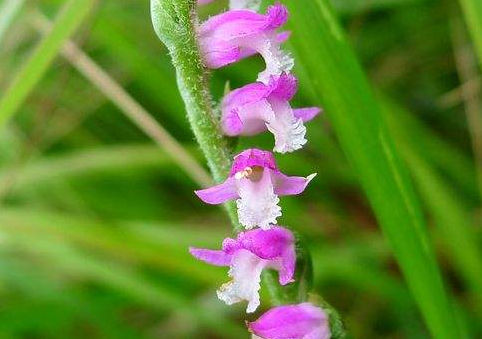
What are the control methods for pests and diseases of the lady's tresses orchid?
1. Rust disease Symptoms: Coleosporium usually grows on the surface of the leaves, and many raised small bumps appear on the leaves, containing rusty-colored or even purple-black powdery spores. Infection with rust disease weakens the growth of the plant. Control method: First, promptly cut off the diseased leaves
-
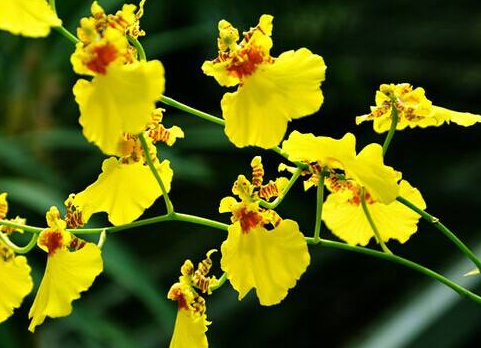
Disease Prevention and Control Methods and Key Technical Points for Oncidium
1. Mosaic disease symptoms: In the early stage, pale yellow spots appear on the leaves. Shortly afterward, the lesions cause leaf necrosis, forming sunken brown necrotic spots on the leaves, which gradually wither and die. Solution: Promptly remove diseased leaves, avoid a high-temperature and high-humidity growing environment, and appropriately increase the application of phosphorus and potassium fertilizers.
-
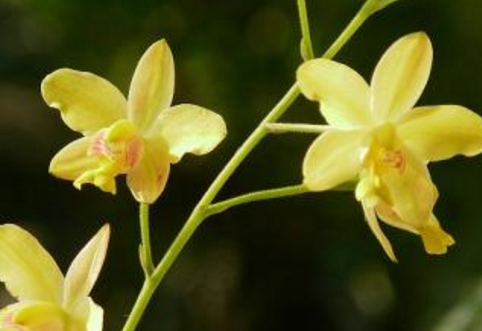
What are the disease prevention and control methods for Spathoglottis pubescens?
1. Coleosporium rust fungus Symptoms: The pathogen usually appears on the leaves, rarely on the stems, producing raised small pustules containing yellow, orange, or rust-colored powdery spores. Although Coleosporium rust fungus does not cause plant death, it hinders plant growth. Prevention and control methods: First, promptly cut off diseased leaves
-

Coptis pest and disease control methods and key technical points
Pest and disease control methods for Coptis chinensis
-
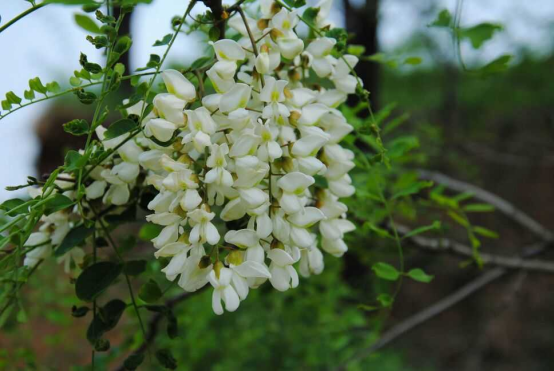
A Detailed Guide to Common Diseases of Sophora japonica Flowers and Their Control Methods
1. Sophora japonica leaf scorch disease. Symptoms: The edges of the pagoda tree leaves turn withered and yellow, and in severe cases the flowers may drop off. This disease may be caused by bacteria or by a calcium deficiency. Control methods: Do not grow pagoda trees at high temperatures, since pathogens multiply quickly in heat, and keep humidity well controlled.
-
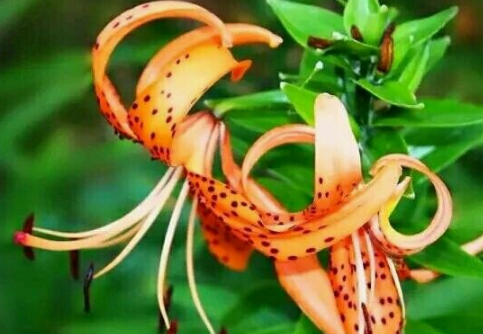
Common Disease Prevention and Control Methods and Key Technical Points for Tiger Lilies
1. Penicillium rot Symptoms: During storage, white spots grow on the spots of rotting scales, and fuzzy greenish-blue patches also appear. Eventually the pathogen invades the basal plate of the bulb, slowing the plant's growth rate. Prevention and control method: Do not plant bulbs infected by the pathogen
-
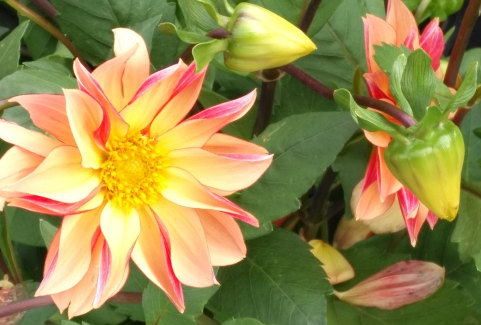
Control Methods for Common Diseases of Dahlia
Powdery mildew symptoms: Powdery mildew mainly attacks the leaves, flower stalks and flower buds of the plant. When the plant is affected, round white powdery patches appear on the plant, causing the leaves to twist and wither. Control methods: Powdery mildew mostly occurs in autumn. When the disease breaks out, a diluted solution of antimycin can be sprayed, which has a very good control effect.
-

What are the pest and disease control methods for Rosa roxburghii?
Pest and disease control methods for Rosa roxburghii
-
Pests and Diseases of Jerusalem Cherry and Their Control Methods
1. Diseases. When growing Jerusalem cherry, note that it is prone to anthracnose during periods of high summer heat. This disease is generally caused by fungal infection. Every year in June and July, not only are temperatures high but there is also plenty of rain, and air humidity is high, so Jerusalem cherry is extremely susceptible to anthracnose during this season.
-

What are the pest and disease control methods for Prunus x cistena (purple-leaf sand cherry)?
1. Disease control methods. A strict inspection system must be implemented, and inspections must be carried out before the transport of seedlings. Once crown gall disease is found, the trees must be destroyed immediately, and the site where the diseased trees were planted must be thoroughly disinfected with quicklime or bleaching powder and other agents. Within one week after disinfection, no new seedlings should be planted in that soil.
条件筛选